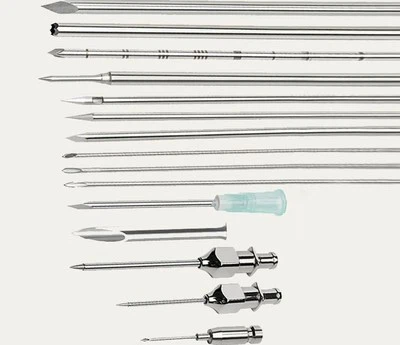
The Gateway Of Minimally Invasive Surgery: The Technological Evolution, Market Landscape, And Localization Journey Of Disposable Trocars
Apr 18, 2026
The "Gateway" of Minimally Invasive Surgery: The Technological Evolution, Market Landscape, and Localization Journey of Disposable Trocars
Core Product Terms: Disposable Trocar, Laparoscopic Access Device
Representative Manufacturers: Medtronic (Covidien), Johnson & Johnson (Ethicon), Olympus, CONMED, Hangzhou Kangji Medical Instrument Co., Ltd.
The Trocar stands as the fundamental "gateway" and cornerstone of minimally invasive surgery (MIS). It establishes the crucial channel from the body surface into the body cavity, allowing endoscopes and various surgical instruments to enter and perform exploration, dissection, cutting, suturing, and other complex procedures. The evolution of the trocar-from reusable metal instruments to sophisticated disposable systems-mirrors the entire history of minimally invasive surgical advancement. This journey reflects a broader narrative of innovation, shifting market dynamics, and the relentless pursuit of safer, more efficient surgical outcomes.
I. Technological Evolution: From "Sharp Puncture" to "Intelligent Access"
The development of the trocar can be categorized into distinct generations, each marked by significant technological leaps:
First Generation: Reusable Metal Trocars: Early trocars were constructed entirely of metal and required repeated cleaning and sterilization. These instruments suffered from issues such as dulling, wear and tear, and a high risk of cross-contamination. Furthermore, the puncture process relied heavily on the surgeon's physical force, making the procedure inherently risky and dependent on individual skill.
Second Generation: Disposable Transparent Trocars: This era introduced a revolutionary shift. Trocars began utilizing polymer materials, such as polycarbonate, for the cannula. The transparency allowed surgeons to visually confirm the puncture process in real-time. Crucially, the Bladeless Trocar design became mainstream. Instead of cutting tissue, these trocars used a blunt obturator to separate tissue fibers, significantly reducing the risk of damaging abdominal wall blood vessels and internal organs. Medtronic Covidien's VersaPort™ series exemplifies this generation of reliable, user-friendly design.
Third Generation: Integrated and Intelligent Trocars: Modern disposable trocars have evolved into comprehensive functional platforms. Beyond basic access, they now integrate multiple features:
Multi-channel Valves: Allowing rapid exchange of instruments without losing pneumoperitoneum.
Automatic Sealing: Preventing gas leakage when instruments are removed, thus maintaining stable intra-abdominal pressure.
Safety Shields: Mechanisms where the tip automatically retracts or covers after puncture to prevent accidental needle sticks.
Digital Interfaces: Connectivity with OR energy platforms for digital insufflation management, enabling real-time monitoring and adjustment of abdominal pressure. Johnson & Johnson Ethicon's Endopath® series has long been a leader in this domain, focusing on seamless integration within the surgical ecosystem.
II. Market Landscape: Dominance of Global Giants and the Rise of Domestic Forces
The global disposable trocar market is highly concentrated. Multinational corporations like Medtronic, Johnson & Johnson, Olympus, and CONMED command the majority of the market share. Their dominance is built on first-mover advantage, comprehensive surgical solutions (bundling instruments with energy platforms and staplers), and robust academic marketing networks, particularly within the high-end complex surgical segments of tertiary hospitals.
However, significant shifts are underway, driven by several key factors:
Increased Penetration of MIS: The proportion of surgeries performed using minimally invasive techniques in general surgery, gynecology, and urology continues to rise globally.
Cost Control Pressures: Healthcare cost-containment initiatives worldwide are pushing hospitals to seek cost-effective alternatives without compromising quality.
Upgrade of "Made in China": Domestic leaders, represented by Hangzhou Kangji Medical Instrument Co., Ltd., are rapidly changing the landscape. Through continuous R&D investment, Kangji now offers disposable trocars with quality comparable to imports but at a more competitive price point. Their product portfolio spans from conventional access to visual puncture (e.g., disposable electronic laparoscope trocars). Leveraging localized service advantages and agile supply chains, they are rapidly achieving domestic substitution in secondary and grassroots hospitals.
III. Challenges and Future Trends in Localization
For domestic trocar manufacturers to fully penetrate the high-end market, several hurdles must be overcome:
Materials and Processes: Securing a stable supply of high-grade polymer materials and mastering precision injection molding and automated assembly processes.
Design Patents: Innovating around or designing outside the extensive patent barriers held by international giants.
Clinical Evidence: Accumulating high-level, multi-center clinical data published in reputable journals to convincingly prove non-inferiority or superiority compared to established brands.
Looking ahead, the future of trocars will revolve around being "safer, more convenient, and smarter." The next competitive highlands will include Fluorescent-navigation Trocars (integrated with ICG fluorescence imaging technology for sentinel lymph node mapping), Flexible Adjustable-angle Trocars for accessing difficult anatomical spaces, and specialized trocars deeply integrated into robotic surgery systems. If domestic manufacturers can strategically layout in these innovative fields early, they stand a genuine chance of achieving "overtaking on the curve" (a term for surpassing competitors through innovation) and reshaping the global market landscape. In conclusion, the humble trocar is no longer just a simple access device; it is becoming an intelligent hub that connects surgeons, patients, and the broader digital operating room of the future.