The Core Value Of Spinal Puncture Needles From A Multidisciplinary Clinical Perspective
Apr 23, 2026
The Core Value of Spinal Puncture Needles from a Multidisciplinary Clinical Perspective
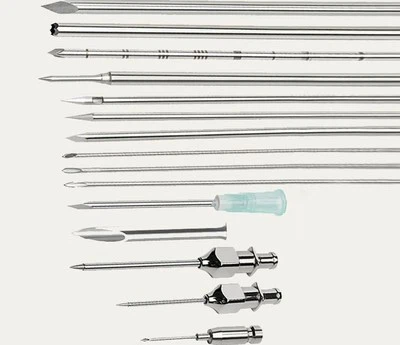
Despite their seemingly simple structure, spinal puncture needles have demonstrated remarkable versatility across multiple disciplines in modern medicine. From diagnostic procedures to therapeutic interventions, and from routine operations to innovative clinical applications, this slender instrument embodies core technical procedures of numerous medical specialties and serves as a vital bridge connecting diverse medical fields.
In neurology, diagnostic lumbar puncture represents the most classical application of spinal puncture needles. By collecting cerebrospinal fluid (CSF) samples, clinicians can diagnose a spectrum of neurological diseases. Oligoclonal bands can be detected in the CSF of patients with multiple sclerosis; patients with meningitis present with elevated cell counts, increased protein levels and decreased glucose concentration in CSF; and uniformly hemorrhagic CSF is observed in individuals with subarachnoid hemorrhage.Needle gauge selection is of great clinical significance here. A 22G needle enables rapid collection of sufficient specimens, while 25G or finer needles markedly reduce the risk of post-procedural headache. This advantage is particularly critical for diseases requiring repeated puncture monitoring, such as leptomeningeal metastasis from leukemia.
Anesthesiology has expanded the applications of spinal puncture needles to new clinical heights. Spinal anesthesia utilizes spinal puncture needles to inject local anesthetics into the subarachnoid space, inducing lower-body anesthesia that is widely adopted in lower abdominal, pelvic and lower extremity surgeries.In recent years, the development of ultrasound-guided spinal puncture, combined with dedicated spinal puncture needles, has improved procedural success rates for difficult puncture cases, including obese patients and those with spinal deformities. Combined spinal-epidural anesthesia integrates the merits of two techniques: it inherits the rapid onset of spinal anesthesia, while continuous anesthesia and postoperative analgesia are maintained via an epidural catheter.
In pain medicine, spinal puncture needles provide access for a variety of interventional therapies. During implantation of intrathecal drug delivery systems, spinal puncture needles establish a pathway into the subarachnoid space, with the implanted catheter connected to a subcutaneous drug pump.This technique directly delivers medications (e.g., opioids, baclofen, ziconotide) to the spinal level, achieving potent analgesic and antispasmodic effects at low dosages while minimizing systemic adverse effects. It is indicated for cancer pain, refractory non-cancer pain and severe spasticity. In intrathecal morphine trials, a single morphine injection via a spinal puncture needle predicts patient response to long-term intrathecal infusion, thereby avoiding unnecessary surgical procedures.
Image-guided spinal puncture has upgraded conventional blind puncture to the realm of precision medicine.CT-guided spinal puncture is applied to patients with severe spinal deformities, post-spinal surgery anatomy or extreme obesity, enabling precise three-dimensional pathway planning to avoid vital anatomical structures.Fluoroscopy-guided spinal puncture is extensively used in interventional pain management, including myelography, selective nerve root block and discography.The development of MRI-compatible spinal puncture needles allows real-time MRI-guided puncture operations, providing novel tools for the diagnosis and treatment of complex spinal lesions.
Special clinical considerations apply to pediatric patients. Children possess lower conus medullaris and narrower epidural spaces, imposing higher technical requirements on puncture procedures. Pediatric-specific spinal puncture needles are typically shorter and finer (25G–27G) to reduce tissue trauma and procedural pain.Lumbar puncture for neonates and infants is usually performed under sedation, with success rate highly dependent on operator experience. Although complication rates of pediatric spinal puncture are lower than those in adults, the procedure demands advanced technical proficiency and specialized professional training.
In emergency medicine, spinal puncture is implemented to evaluate suspected meningitis, subarachnoid hemorrhage and idiopathic intracranial hypertension.For patients with suspected bacterial meningitis, prompt and safe lumbar puncture is essential, as early diagnosis and intervention significantly improve clinical prognosis.Lumbar puncture to detect erythrocytes or xanthochromia in CSF serves as the gold standard for diagnosing subarachnoid hemorrhage in patients with negative cranial CT results.Diagnosis of idiopathic intracranial hypertension also relies on intracranial pressure measurement via lumbar puncture.
In neurosurgery, spinal puncture needles are utilized for cerebrospinal fluid dynamics testing and CSF drainage.During evaluation of normal pressure hydrocephalus, a lumbar puncture tap test, which involves draining a certain volume of CSF, assesses symptomatic improvement to predict the outcome of shunt surgery.Continuous lumbar drainage is adopted for CSF leakage treatment and intracranial pressure reduction, with less invasiveness compared with ventricular drainage.Epidural blood patch via lumbar puncture is an effective therapeutic approach for spontaneous intracranial hypotension.
In oncology, spinal puncture is a fundamental diagnostic modality for leptomeningeal metastasis. Leptomeningeal involvement commonly occurs in solid tumors and hematologic malignancies, and CSF cytological examination is the diagnostic cornerstone.Intrathecal chemotherapy via lumbar puncture is a standard treatment for leptomeningeal metastasis, with commonly used agents including methotrexate, cytarabine and thiotepa.During Ommaya reservoir implantation, spinal puncture needles establish ventricular access and connect to subcutaneous reservoirs to facilitate repeated intrathecal chemotherapy.
Spinal puncture needles also play an irreplaceable role in the diagnosis and treatment of rare diseases.CSF 14-3-3 protein detection is a key diagnostic marker for suspected Creutzfeldt-Jakob disease.Diagnosis of autoimmune encephalitis and paraneoplastic syndromes frequently depends on CSF antibody testing.For inherited metabolic disorders such as mitochondrial encephalomyopathy, CSF detection of metabolites including lactate and pyruvate is occasionally required for diagnosis.
In clinical research, spinal puncture serves as the primary approach for collecting central nervous system biomarker specimens.In Alzheimer's disease research, detection of CSF Aβ42, total tau and phosphorylated tau proteins facilitates early diagnosis and disease monitoring.Studies of neurodegenerative diseases including Parkinson's disease and dementia with Lewy bodies are increasingly dependent on CSF biomarkers.CSF HIV RNA level is a crucial indicator for evaluating HIV-associated neurocognitive disorders.
From these multidisciplinary applications, it is evident that spinal puncture needles function not merely as physical access channels, but also as pathways for diagnostic information acquisition, precise therapy delivery and scientific research. They bridge the central nervous system with external clinical interventions, enabling physicians to obtain diagnostic evidence, implement targeted treatments and explore pathological mechanisms of diseases.With continuous advancements in medical science, the applications of spinal puncture needles will become more extensive and in-depth, and the core value of this slender instrument in modern medicine will keep growing.