The Comprehensive Clinical Application Spectrum And Core Medical Value Of PTC Needles
Apr 19, 2026
The Comprehensive Clinical Application Spectrum and Core Medical Value of PTC Needles
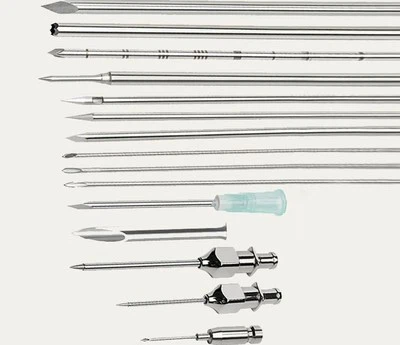
The core medical value of the Percutaneous Transhepatic Cholangiography (PTC) needle lies in its provision of a vital minimally invasive conduit for both the diagnosis and treatment of hepatobiliary and pancreatic diseases. Its utility has evolved significantly beyond mere diagnostic cholangiography, expanding into a series of complex interventional therapeutic fields. Consequently, it has become an indispensable instrument in modern interventional radiology and hepatobiliary surgery, bridging the gap between diagnostic imaging and therapeutic intervention.
Diagnostic Applications: Precisely Mapping the Biliary "Terrain"
The most classic application of PTC remains percutaneous transhepatic cholangiography itself. When Endoscopic Retrograde Cholangiopancreatography (ERCP) fails or is contraindicated due to anatomical or pathological reasons, PTC emerges as one of the gold standards for evaluating obstructive jaundice, biliary strictures, calculi (stones), or bile leaks. Under real-time image guidance, a physician punctures the PTC needle into the intrahepatic bile ducts and injects contrast agent. This process allows for the clear visualization of the entire biliary tree morphology, enabling clinicians to precisely define the location, extent, and nature of the lesion. For preoperative assessments of complex conditions such as hilar cholangiocarcinoma (Klatskin tumors), the detailed anatomical information provided by PTC is often critical and irreplaceable.
Therapeutic Applications: Establishing Lifesaving Drainage Pathways
Percutaneous Transhepatic Biliary Drainage (PTBD): This represents the most crucial therapeutic application of the PTC needle. For jaundice caused by malignant or benign biliary obstructions, following the identification of the obstruction site via PTC imaging, a guidewire can be introduced through the needle. Subsequently, a drainage catheter is exchanged over the wire. This procedure diverts stagnant bile either externally (external drainage) or internally after reconstruction (internal drainage), rapidly alleviating jaundice and improving liver function. This creates a window of opportunity for subsequent surgeries or chemoradiotherapy.
Biliary Stent Placement: Building upon the drainage access, plastic or metallic stents can be deployed through the PTC-established channel to dilate the narrowed segment. This achieves internal drainage, liberating the patient from the inconvenience and psychological burden of carrying an external drainage bag, thereby significantly enhancing their quality of life.
Tissue Biopsy: During the PTC procedure, specially designed biopsy needles can be utilized via the same tract or a separate path to obtain tissue samples from biliary or hepatic lesions. This facilitates pathological diagnosis, proving especially valuable for the qualitative diagnosis of cholangiocarcinoma and differential diagnosis of indeterminate biliary strictures.
Calculi Management: For certain intrahepatic bile duct stones that are difficult to remove via ERCP, the PTC channel serves as a gateway for stone extraction. Techniques involving stone retrieval baskets, laser lithotripsy, or electrohydraulic lithotripsy can be employed to fragment and remove the stones effectively.
Gallbladder Intervention: PTC needles are also instrumental in percutaneous cholecystostomy, a procedure used to treat patients with acute cholecystitis who are unfit for immediate surgery. It can also be utilized for gallbladder drainage or stone removal in select cases.
Advantages and Challenges
The distinct advantage of PTC technology lies in its independence from the patient's gastrointestinal anatomical alterations, such as those resulting from previous subtotal gastrectomy. Furthermore, it can access high-level intrahepatic bile ducts that are often unreachable by ERCP. However, as an invasive procedure, it carries inherent risks, including hemorrhage, bile leakage, infection (such as cholangitis), and pneumothorax. The overall complication rate ranges from approximately 2% to 10%. Therefore, strict adherence to indications is mandatory, and the procedure should only be performed by experienced interventional physicians under the precise guidance of advanced imaging equipment.
In summary, by establishing a minute percutaneous hepatobiliary channel, the PTC needle enables the "reconnaissance" and "dredging" of complex biliary diseases. Its value permeates the entire clinical workflow, from initial diagnosis to definitive treatment. This technology has profoundly improved the success rates of rescuing critically ill hepatobiliary patients and has significantly elevated their postoperative and long-term survival quality, cementing its role as a cornerstone of modern interventional medicine.