Selection Guide For Key Dimensional Parameters Of Arthroscopic Sleeves And Standardized Specification Adaptation Solutions By Manufacturers
Apr 21, 2026
Selection Guide for Key Dimensional Parameters of Arthroscopic Sleeves and Standardized Specification Adaptation Solutions by Manufacturers
Introduction: Precision Engineering for Minimally Invasive Access
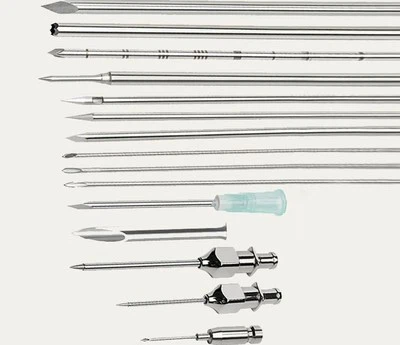
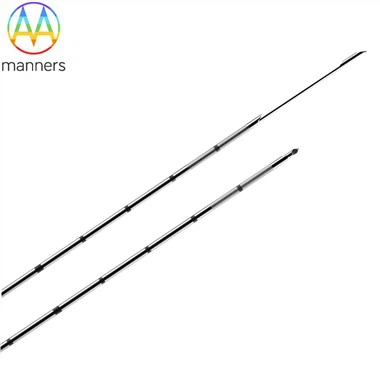
In the realm of arthroscopic surgery, the selection of the correct cannula (sleeve) is not merely a matter of preference but a critical determinant of procedural success. The core indicators for clinical selection revolve around four key dimensions: total length, outer diameter (OD), wall thickness, and inner optical channel diameter. Errors in parameter matching can directly lead to intraoperative complications such as obscured vision, instrument sticking (lag), excessive trauma to periarticular soft tissues, and poor irrigation circulation. Reputable medical device manufacturers have established comprehensive, gradient-based standardized specification matrices aligned with the grading of orthopedic clinical procedures. This ensures suitability for the diverse diagnostic and therapeutic needs of different joint sites, surgical methods, and patient physiques.
Section 1: Total Length-Adapting to Anatomical Depth
The total length of the arthroscopic sleeve must cater to the varying depths of human joints. Industry-standard compliant ranges are strictly controlled within a gradient classification of 10 cm to 30 cm.
Short Sleeves (10–15 cm): Designed for minimally invasive exploration of superficial small joints such as the wrist, ankle, and fingers, as well as for basic procedures like debridement of mild inflammation. These offer exceptional operational convenience and minimal trauma.
Standard Medium-Length Sleeves (20–25 cm): The mainstream standard for knee and shoulder surgeries, particularly for procedures like cruciate ligament repair and meniscus trimming.
Extended-Length Specialized Sleeves (25–30 cm): Specifically engineered for deep-seated pathologies, such as biopsy of deep hip joint recesses or lysis of severe adhesions.
For instance, the venerable German manufacturer Karl Storz offers a complete range covering all length gradients, precisely aligned with international orthopedic surgical anatomy standards. Each length is paired with a unique identification code, facilitating rapid retrieval in the operating room and significantly reducing preoperative setup time. On the domestic front, Weigao Medical focuses on high-volume production optimization for the standard 20 cm model, catering to the routine procurement needs of county-level hospitals and community orthopedic clinics with high cost-performance.
Section 2: Outer Diameter-Balancing Trauma and Functionality
The outer diameter, uniformly measured in millimeters, typically ranges from 2 mm to 5 mm in clinical practice.
Ultra-Fine Thin-Walled Sleeves (2–3 mm): Designed for ultra-minimally invasive diagnostics, these are ideal for elderly patients with osteoporosis or children with delicate developing joint tissues, maximizing the reduction of puncture trauma and shortening the rehabilitation cycle.
Thickened Large-Bore Sleeves (4–5 mm): Built to withstand high-intensity instrument exchanges and continuous high-flow saline irrigation in complex reconstructive surgeries, offering maximum resistance to deformation and kinking.
Specialized orthopedic manufacturer Arthrex targets the high-end sports medicine sector, promoting a "golden standard" 3.5 mm OD sleeve. This specification perfectly balances minimal trauma with efficient instrument passage, making it suitable for professional athletic team diagnostics and high-end specialized surgeries.
Section 3: Wall Thickness and Inner Optical Channel Diameter-Hidden Determinants of Performance
Often overlooked, the sheath wall thickness and the inner diameter (ID) of the optical channel are critical quality control parameters. The wall thickness dictates the structural integrity of the sleeve, preventing collapse under stress that could obstruct the working channel. Simultaneously, the inner optical channel diameter must be compliant with the OD of the arthroscope camera and cold light source module; only a compliant fit ensures a high-definition, obstruction-free surgical view.
Integrated device manufacturers like Medtronic strictly control the tolerances for this dual-channel synergy. Every unit undergoes empirical verification of the optical field upon leaving the factory, eliminating issues like shadowing or light obstruction. To further support clinical efficacy, all compliant manufacturers offer one-on-one technical consultation services for parameter selection. Medical institutions simply need to specify the target joint, patient demographics, and procedure grade to receive rapid recommendations for the precise sleeve specification, effectively mitigating operational risks associated with dimensional mismatch.