Decoding The Technical Spectrum Of Puncture Needles: Clinical Logic For Type, Structure And Specification Selection
Apr 27, 2026
Decoding the Technical Spectrum of Puncture Needles:
Clinical Logic for Type, Structure and Specification Selection
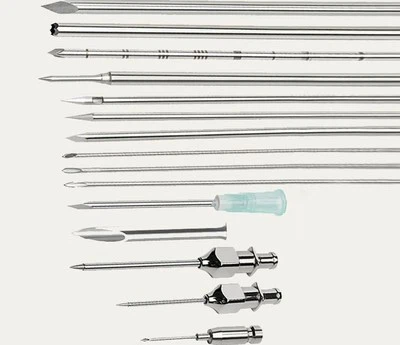
The reference material mentions that a puncture device is composed of a puncture needle, sealing cap, air stop valve and other components. As the core penetrating unit, the puncture needle itself features diversified technical forms. An in-depth understanding of its classifications, structures and specifications serves as the fundamental prerequisite for accurate clinical selection.
I. Core Classifications of Puncture Needles:
The Dialectic Balance Between Sharpness and Safety
Based on tip design, puncture needles are mainly divided into two major categories to meet differentiated clinical scenarios:
Sharp Puncture NeedlesAdopting a conventional design with pyramid-shaped or conical sharp tips, these needles deliver low penetration resistance, rapid entry and clear tactile feedback. They are suitable for standard patients with thin abdominal walls and no intra-abdominal adhesions. To enhance safety, modern sharp puncture needles are commonly integrated with safety protective sheaths. Once the needle tip penetrates the peritoneum and enters the free cavity, the protective sheath automatically springs forward to cover the tip and prevent accidental visceral injury.
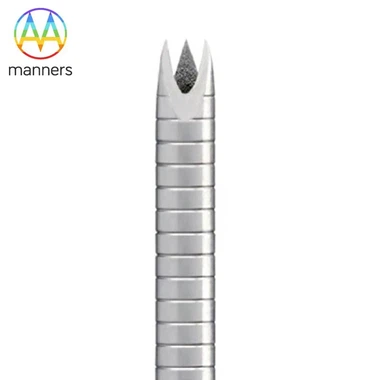
Blunt Puncture NeedlesFeatured with rounded, blunt conical tips or retractable protective hoods, their design philosophy focuses on "tissue dissection rather than sharp incision". During puncture, blunt force is applied to separate layered abdominal wall tissues gently instead of cutting. This design significantly reduces the risk of injuring subcutaneous blood vessels and adherent intra-abdominal organs. It is especially applicable to obese patients with thick abdominal walls and deeply located blood vessels, as well as patients with a history of abdominal surgery and potential intestinal adhesion.
II. Advanced Evolution: Visualized Puncture Needles
Representing a key technological upgrade, visualized puncture needles are generally designed with blunt tips or transparent sharp tips and feature a hollow inner lumen that accommodates slim 0° or 30° laparoscope lenses. The lens advances synchronously with the needle during puncture, enabling surgeons to directly visualize the real-time separation of tissue layers - including subcutaneous fat, fascia, muscle and peritoneum - on the monitor. This realizes full direct-view puncture and greatly improves the safety of primary insertion, marking a revolutionary upgrade over traditional tactile blind puncture.
III. Key Specification Parameters Determining Functional Performance
DiameterIt defines the final channel size of the puncture sheath and determines the maximum specification of passable surgical instruments. Common mainstream diameters include 5 mm, 10 mm and 12 mm. The 5 mm channel minimizes trauma and adapts to most routine operating instruments; 10 mm and 12 mm channels are widely used for laparoscope placement, stapler insertion and large specimen removal. The outer diameter of the puncture needle is fully matched with the supporting sheath tube.
LengthLength selection must adapt to variable abdominal wall thickness among different patients. Standard lengths meet the needs of most adult cases, while extended puncture needles and matching sheaths are required for severely obese patients to ensure complete penetration of the abdominal wall and stable intra-abdominal placement.
Tip Material and CraftsmanshipHigh-performance puncture needles adopt medical-grade stainless steel with precision grinding and mirror polishing technology, ensuring long-lasting sharpness and smooth penetration. Some products are coated with hydrophilic layers at the tip to further reduce frictional resistance during insertion.
Clinical Selection Logic
Surgeons select puncture needles through comprehensive clinical assessment:
For routine cholecystectomy, appendectomy and gynecological surgery in non-obese patients with no surgical history: standard sharp puncture needles are preferred for high procedural efficiency.
For obese patients or individuals with prior abdominal surgery: blunt or visualized puncture needles are prioritized to take safety as the core principle.
For single-incision laparoscopic surgery: dedicated single-port multi-channel puncture devices are required, with specially designed internal puncture needles to establish multiple instrument channels through a single small incision.
Conclusion
A puncture needle is far more than a simple sharp instrument. From sharp to blunt configurations, and from blind insertion to full visual guidance, the iterative evolution of its technical spectrum reflects the continuous balance and progress of minimally invasive surgery in pursuit of high efficiency and clinical safety. Accurate matching of puncture needle type with individual patient conditions is the first critical step and core clinical wisdom for ensuring successful minimally invasive surgery.