Clinical Adaptability Empowering Minimally Invasive Orthopedics: The Rise Of Conical Shaver Blades As A Surgical Essential
Apr 20, 2026
Clinical Adaptability Empowering Minimally Invasive Orthopedics: The Rise of Conical Shaver Blades as a Surgical Essential
Introduction: A Paradigm Shift in Orthopedic Surgery
In the contemporary landscape of medical technology, minimally invasive orthopedic diagnosis and treatment have witnessed explosive growth, fundamentally altering surgical practices. Against this backdrop, arthroscopic surgery has emerged as the undisputed gold standard, largely supplanting traditional open surgeries across various disciplines including knee, shoulder, and otolaryngology (ENT). This transition is driven by the core advantages of arthroscopy: minimal trauma, rapid patient rehabilitation, and a significantly reduced risk of complications. At the heart of this revolution lies the arthroscopic conical shaver blade-a core intraoperative consumable. Designed for universal applicability in minimally invasive scenarios, this instrument leverages exclusive structural advantages and is fortified by the standardized mass production capabilities of reputable manufacturers. It establishes a formidable dual defense of safety and efficiency, making it an indispensable standard consumable in operating theaters across all levels of medical institutions today.
Section 1: Engineering Precision for Complex Anatomical Access
Established and compliant medical device manufacturers have dedicated years to refining orthopedic minimally invasive consumables. Their focus is not merely on production but on deeply understanding the practical pain points of surgeons and the safety imperatives of patient care. Through continuous iteration, they have optimized the core structural configuration of the arthroscopic conical shaver blade.
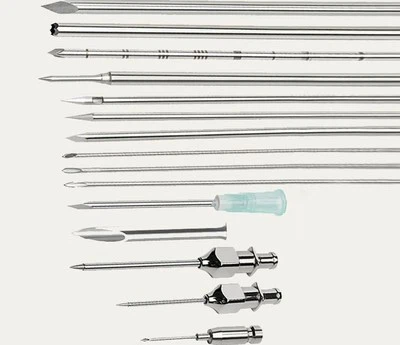
The blade features an integrated conical distal tip, a design masterpiece that incorporates a streamlined, gradient transition structure. This design eliminates angular burrs, allowing for zero-resistance penetration into narrow and confined joint spaces. This capability is critical for navigating the complex anatomy of the glenohumeral joint, the meniscus of the knee, and hidden posterior knee joint recesses-areas notoriously difficult to reach with conventional instruments. By utilizing these advanced blades, surgeons can avoid the medical hazards associated with forced instrument intervention, such as soft tissue traction injuries and secondary articular cartilage wear. Consequently, these blades are suitable for the diverse diagnostic and therapeutic scenarios presented by orthopedic patients of all ages.
Section 2: Overcoming Operational Challenges with Advanced Functionality
Historically, surgeons have grappled with frequent blade clogging, inconsistent cutting efficiency, and the dangerous snagging and tearing of soft tissues. These issues have long compromised surgical flow and patient safety. In response, high-quality manufacturers exercise stringent control over the core functional parameters of the blades. The standard configuration now includes elliptical external chip discharge windows paired with double-sided embedded cutting flutes. This combination forms a closed-loop system for balanced cutting across the entire operational field.
Each rotation of the instrument achieves double the efficiency in tissue cutting and stripping. Simultaneously, it rapidly expels debris, effusion, and impurities, eliminating blade clogging and shutdowns caused by debris accumulation at the source. Furthermore, the entire cutting edge undergoes a smooth, integrated grinding process, ensuring there are no sharp protruding edges. This meets the critical requirement for atraumatic handling of soft tissues, preventing accidental snagging and tearing of healthy fascia and ligaments during surgery. This makes the blades perfectly suited for long-duration, complex arthroscopic procedures involving debridement, trimming, and reconstruction.
Section 3: Versatility, Compatibility, and Economic Efficiency
Addressing the compound diagnostic and treatment needs of multiple departments, compliant manufacturers have significantly broadened the clinical adaptability of their products. Finished blades are engineered for seamless integration with standardized ENT endoscopes and full sets of mainstream medical power console systems for knee and shoulder arthroscopy. They require no additional adaptation or modification, allowing for immediate use upon installation.
Moreover, the multifunctional nature of these instruments is a key advantage. They can not only precisely perform targeted resection of hyperplastic pathological soft tissues and refined burring and cleaning of bone spurs but also substitute for conventional dedicated probes. This allows physicians to assess soft tissue tension in the surgical area and accurately locate lesion boundaries. This multipurpose functionality reduces the variety of instrument inventory required in the operating room, thereby optimizing the cost of consumable management for the department.
Conclusion: A Core Enabler for Modern Orthopedics
All series of finished products are delivered with clinical adaptation test reports, ensuring their suitability for the full spectrum of scenarios, from tertiary Grade-A hospital chains to primary orthopedic specialist hospital centralized procurement. The arthroscopic conical shaver blade is no longer just a tool but a core empowering instrument that drives the improvement of quality and efficiency in minimally invasive orthopedics. Its evolution reflects a broader trend in medicine: the convergence of precision engineering, clinical insight, and economic pragmatism to deliver superior patient outcomes.