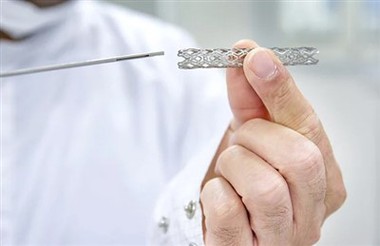
The Clinical Frontline: How OPU Needle Design Impacts IVF Success And Patient Comfort
May 21, 2026
(Perspective: Clinical Application & Patient Outcomes)
In the delicate ecosystem of Assisted Reproductive Technology (ART), the Ovum Pick-Up (OPU) procedure is the pivotal moment where hope meets science. It is the precise mechanical intervention required to bridge the gap between a patient's biological potential and the laboratory's cultivation capabilities. However, the success of this procedure does not solely rest on the physician's skill or the ultrasound machine's clarity; it heavily relies on the seemingly modest instrument in the doctor's hand. For fertility specialists, understanding how the physical attributes of the OPU needle influence clinical outcomes is essential. Partnering with an innovative OPU needle manufacturer allows clinicians to tailor their instrumentation to the unique physiological challenges of each patient, ultimately maximizing oocyte yield and protecting patient well-being.
Matching Needle Gauge to Follicular Dynamics
One of the most critical decisions a clinician makes during the OPU setup is selecting the appropriate needle gauge. Typically ranging from 16 to 19 gauge, this measurement dictates the diameter of the needle's lumen and subsequently controls the dynamics of follicular aspiration. A 16-gauge needle, being wider in diameter, facilitates a rapid flow of follicular fluid. This is particularly advantageous in cases with a high volume of follicles, as it reduces the overall time the oocytes spend in the aspiration tubing. However, the larger diameter may cause slightly more trauma to the ovarian stroma. Conversely, a 19-gauge needle offers a minimally invasive profile, which is often preferred for patients with a low ovarian reserve or those undergoing In Vitro Maturation (IVM), where gentle handling of the cumulus-oocyte complex is paramount. A responsive OPU needle manufacturer understands these nuanced clinical needs and provides a full spectrum of gauge options, ensuring that the physician is never forced to compromise their protocol due to equipment limitations.
Navigating Anatomical Challenges with Variable Lengths
The physical distance between the vaginal vault and the ovarian follicles can vary dramatically among patients. Factors such as Body Mass Index (BMI), the presence of retroverted uteruses, or anatomical distortions caused by conditions like severe endometriosis or Polycystic Ovary Syndrome (PCOS) can push the ovaries into difficult positions. Standard OPU needles typically range from 12 to 20 centimeters (4.7 to 7.9 inches) in length. Having access to this full range is not a luxury-it is a clinical necessity. For instance, a patient with a high BMI undergoing fertility preservation may require a 20-centimeter needle to safely reach the follicles without applying excessive force, which could risk injury to adjacent pelvic structures. Leading OPU needle manufacturers collaborate closely with reproductive endocrinologists to validate these length requirements, ensuring their products provide the necessary rigidity over extended spans without sacrificing maneuverability.
Minimizing Tissue Trauma and Post-Procedure Complications
Patient comfort and rapid recovery are central to the modern fertility journey. The physical properties of the OPU needle directly influence the degree of tissue trauma experienced during the procedure. Needles crafted from lightweight yet strong materials, such as titanium, significantly reduce the mechanical strain on the physician's wrist, allowing for smoother, more controlled movements. This precision minimizes unnecessary puncture sites and reduces capillary bleeding within the ovary. Less trauma translates to lower post-procedure pain, reduced reliance on analgesics, and a quicker return to daily activities for the patient. Furthermore, for donors or patients requiring multiple cycles, minimizing cumulative trauma is vital for long-term reproductive health. Clinics must therefore seek an OPU needle manufacturer that prioritizes atraumatic tip designs and biocompatible materials, viewing patient comfort not as an afterthought, but as a core metric of device efficacy.
Ultimately, the OPU needle is an extension of the clinician's intent. Whether the goal is routine IVF, egg donation, or addressing complex pathologies, the instrument's design must align perfectly with the clinical objective. By working with manufacturers who understand the profound impact of gauge, length, and material on patient outcomes, fertility clinics can ensure that their technical capabilities never stand in the way of a patient's dream of building a family.