Silent Threat Of Postoperative Fluid
Oct 11, 2026
The Hidden Danger of Accumulated Exudate
Postoperative fluid accumulation is one of the most underestimated complications in surgical practice. After closure, blood, lymph, and inflammatory exudate continue to secrete into the surgical dead space. If not evacuated efficiently, this fluid becomes a culture medium for bacterial growth, leading to surgical site infection (SSI), seroma formation, hematoma, and delayed wound healing. The pain point is not merely the presence of fluid-it is the silent, progressive nature of accumulation that escapes detection until visible swelling or systemic signs appear. Traditional open drainage methods expose the wound to external contaminants, while improvised suction setups often fail due to air leaks at the insertion site. Surgeons need a reliable, closed-system solution that maintains consistent negative pressure without requiring repeated invasive interventions.
Working Principle of Disposable Redon Needles
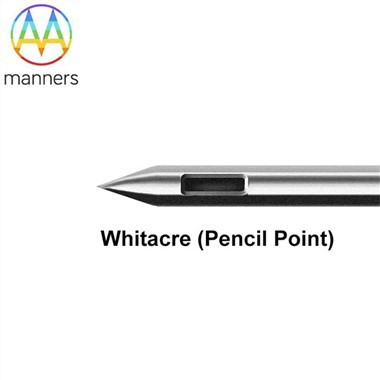
A Disposable Redon Needle functions as the critical interface between the surgical cavity and the closed suction system. It is a single-use, precision-engineered puncture instrument designed to create a low-resistance tract for drain placement. The needle tip-available in sharp or spatula configurations-penetrates tissue layers with minimal trauma. Once the multiperforated Redon drain is advanced through or over the needle, the system connects to a high-vacuum collection bottle (typically −650 to −700 mm Hg). Negative pressure actively draws fluid from the dead space into the bottle, preventing accumulation. The disposable nature eliminates cross-contamination risk and ensures every needle delivers factory-sterile sharpness. Material selection (SS304/SS303 stainless steel) provides corrosion resistance and optimal tip geometry retention throughout the procedure.
Equipment Classification and Technical Variants
Disposable Redon Needles are classified by tip geometry, gauge size, and intended application:
|
Type |
Tip Design |
Primary Application |
Advantage |
|---|---|---|---|
|
Sharp Straight |
Conical point |
General, orthopedic |
Fast penetration, minimal force |
|
Spatula-Shaped |
Flat, blade-like |
Plastic, reconstructive |
Tissue-spreading, nerve-sparing |
|
Slightly Curved |
Trocar-style curve |
Deep cavity tunneling |
Controlled direction |
|
Fine Gauge (Ch. 8–10) |
Narrow diameter |
Pediatric, facial |
Minimal scarring |
|
Large Gauge (Ch. 14–16) |
Wide lumen |
Abdominal, high-output |
High flow capacity |
Materials: SS304 offers balanced strength and polishability; SS303 provides superior machinability for complex tip geometries. Packaging ranges from individual peel-pouch sterile packs to bulk carton configurations per customer requirement.
Operational Guide: Step-by-Step Placement
- Pre-procedure verification: Confirm drain size matches expected fluid volume. Inspect needle package integrity and expiration date.
- Wound preparation: Close the surgical incision partially, leaving only the drain exit site open.
- Needle insertion: Insert the needle from inside the wound outward-never from outside-in blindly. This inside-out technique avoids accidental injury to underlying structures.
- Tract creation: Advance steadily with controlled pressure. For spatula tips, use a gentle spreading motion between tissue planes.
- Drain advancement: Thread the Redon drain over the needle or through the needle lumen, depending on system design.
- Needle removal: Withdraw the needle while holding the drain in place. Dispose immediately into a sharps container.
- System connection: Attach drain to the pre-evacuated collection bottle. Verify suction by observing fluid movement and bottle wall collapse.
- Securement and documentation: Suture the drain in place, apply sterile dressing, and record drain side, insertion depth, and lot number in the operative note.
Field Experience from Clinical Practice
Experienced surgical teams report three consistent observations: First, a clean needle tract is the foundation of effective drainage. A sharp, single-use needle creates a smooth path that seals around the drain, maintaining negative pressure. Dull or reused guides produce ragged tracts that leak air, breaking suction. Second, output volume interpretation requires context. Sudden drop in drainage coupled with wound swelling suggests clogging or malposition-not recovery. Third, nurse-surgeon communication on drain management prevents complications. Protocols specifying when to strip, when to clamp, and when to replace the needle-drain set reduce variability. In a 2023 audit across 12 surgical units, institutions standardizing disposable Redon needles reported a 28% reduction in drain-related readmissions compared to those using reprocessed guides.
Summary and Elevation
The Disposable Redon Needle is not merely a puncture tool-it is the gatekeeper of closed-suction efficacy. Its sharpness determines tract quality; its material integrity determines biocompatibility; its single-use design determines infection control. When surgeons treat drain placement as a precision step rather than an afterthought, patient outcomes improve measurably. The needle embodies a principle: small instruments, big consequences. A 2 cm steel tip can prevent a 2-week hospital stay if chosen and used correctly.
Outlook and Recommendation
The future of Disposable Redon Needles lies in standardization and intelligence. Hospitals should include single-use needles in their core surgical formularies rather than treating them as optional accessories. Manufacturers should invest in:
- Depth-marked shafts for precise insertion control
- Anti-kink hub designs to prevent tubing occlusion
- RFID or QR-coded packaging linking lot number to sterilization data
- Ergonomic grips reducing hand fatigue during placement
Procurement committees must evaluate total cost of ownership-including SSI treatment costs, reprocessing labor, and litigation risk-not just unit price. The evidence is clear: disposable outperforms reusable in safety, consistency, and long-term economics.