Radiofrequency Microneedle Devices: Technological Innovation And Market Growth in The Medical Aesthetic Anti-Aging Sector
Apr 16, 2026
Radiofrequency Microneedle Devices: Technological Innovation and Market Growth in the Medical Aesthetic Anti-Aging Sector
In 2026, radiofrequency (RF) microneedle devices, as a significant technological modality in the medical aesthetic anti-aging field, are witnessing dual breakthroughs in market scale and technological innovation. According to the latest market reports, the market size of fractional RF microneedle devices is projected to grow from 1.02billionUSDin2025to1.15 billion USD in 2026, with a Compound Annual Growth Rate (CAGR) of 12.8%. By 2030, the market size is expected to reach $1.85 billion USD, maintaining a CAGR of 12.5%. This rapid growth reflects surging consumer demand for minimally invasive cosmetic procedures and the continuous maturation of the technology.
Technical Principles and Advantages
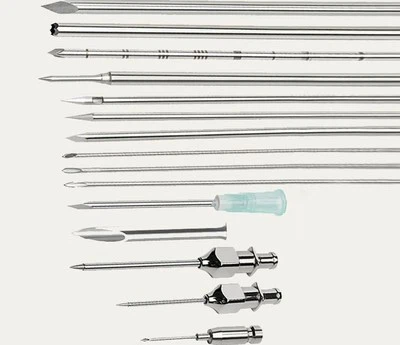
Radiofrequency microneedle technology combines the dual advantages of microneedle penetration and RF energy. Microneedles pierce the skin's stratum corneum to form micro-channels, while RF energy is precisely delivered to the dermis via the needle tips, stimulating the neogenesis and reorganization of collagen and elastin fibers. This technology boasts multiple advantages: minimally invasive procedures reduce downtime; precise energy control ensures treatment safety; adjustable action depth adapts to different therapeutic needs; and a synergistic effect enhances overall efficacy.
Based on the depth of action, RF microneedle devices can be categorized into facial-specific types (needle length 0.5mm–2.5mm) and body-specific types (needle length 3.5mm–7.0mm). According to output mode, they are divided into monopolar RF and bipolar/multipolar RF. Based on needle design, they are classified as insulated or non-insulated. Insulated microneedles release RF energy only from the tip, resulting in more concentrated and deeper action; non-insulated needles release energy along the entire shaft, offering a broader range of action.
Major Manufacturers and Product Competition
Key players in the global RF microneedle device market include InMode, Cutera, Candela Medical, Cynosure, Lutronic, ENDYMED Medical, The Lynton Group, Beijing Newbeauty Technology Co., Ltd., Lumenis, ShenB, Beijing Sanhe Beauty, Rohrer Aesthetics, and Sincoheren. These companies engage in fierce competition regarding technological innovation, clinical validation, and market promotion.
The commercial RF microneedle system market includes manufacturers such as Candela Medical, Cynosure, ShenB, Beijing Newbeauty Technology Co., Ltd., Beijing Sanhe Beauty, Rohrer Aesthetics, The Lynton Group, Lumenis, Lutronic, and ENDYMED Medical. Their products are primarily applied in professional settings like beauty salons, hospitals, and clinics.
Major vendors in the deep RF microneedle market comprise Lumenis, Cutera, Endymed Medical, Aesthetics Biomedical, Cartessa, Veroderm Medical Technologies, Hunan Astiland Medical Aesthetics Technology, Nubway, Timpac Healthcare, Candela Corporation, Lutronic Corporation, Sincoheren Ltd., and Beijing Sanhe Beauty S&T. Product types cover facial RF microneedles, eye-area RF microneedles, and body RF microneedles, with application scenarios including hospitals, dermatology clinics, and ambulatory care centers.
Analysis of Market Drivers
Key drivers fueling the rapid growth of the RF microneedle device market include heightened beauty consciousness, increased demand for collagen stimulation, the popularity of acne scar treatments, technological innovation, and a rise in dermatology consultations. Growth factors during the forecast period also encompass growing demand for cosmetic procedures, rising disposable incomes, innovations in microneedle design, the expansion of the medical aesthetic market, and the influence of social media.
The rising demand for minimally invasive cosmetic surgery is a critical factor propelling market expansion. Minimally invasive cosmetic procedures refer to treatments that improve appearance through injections, lasers, and minor incisions. Compared to traditional surgery, these procedures offer shorter recovery times and lower risks. Due to minimal downtime, patients increasingly prefer procedures allowing a quicker return to daily activities. According to data released by the American Society of Plastic Surgeons in June 2024, the number of minimally invasive procedures grew by 7% annually in 2023, outpacing traditional surgery by 2%.
Technology Development Trends
RF microneedle device technology is evolving towards intelligence, precision, and personalization. Major trends include growing demand for minimally invasive cosmetic procedures, increasing preference for treatments with short recovery times, customizable skin regeneration solutions, growth in multi-modal aesthetic treatments, and the expansion of dermatology clinics.
New-generation RF microneedle devices integrate intelligent functions such as real-time temperature monitoring, energy feedback regulation, and skin impedance detection to ensure treatment safety and efficacy. Some high-end equipment also incorporates AI skin analysis systems capable of automatically adjusting treatment parameters based on individual skin conditions, achieving personalized precision therapy.
Clinical Applications and Efficacy Evaluation
RF microneedle devices have demonstrated remarkable efficacy across various medical aesthetic fields. In anti-aging and firming, they improve skin laxity and wrinkles by stimulating collagen neogenesis. In acne scar treatment, they effectively improve depressed scars. For enlarged pores, they contract dilated follicles by promoting collagen remodeling. Regarding uneven skin tone, they facilitate epidermal renewal and lighten pigmentation.
Clinical studies indicate that for acne-depressed scars, the scar volume decreases by an average of 42% after three microneedle treatments, with epidermal thickness increasing by 27%, and the effects remain stable one year post-treatment. In skin anti-aging, individuals aged 25–65 showed a 23% improvement in skin elasticity and a 19% reduction in fine line scores after six microneedle treatments, with no risk of permanent pigmentation.
Market Challenges and Future Outlook
Despite the broad prospects for the RF microneedle device market, several challenges persist: high equipment costs limiting widespread adoption, the need for professional operational training, individual variations in treatment outcomes, and constantly changing regulatory policies. Additionally, as market competition intensifies, product homogenization is becoming increasingly prominent.
In the future, RF microneedle devices will place greater emphasis on developing combination therapies, such as integration with laser, ultrasound, and injectable filler technologies to achieve synergistic effects. Concurrently, the R&D of home-use RF microneedle devices will become a significant direction, enabling consumers to receive professional-grade care at home. With continuous technological advancements and gradual cost reductions, RF microneedle devices are poised to become a mainstream choice in the medical aesthetic anti-aging sector.