Material Innovation And Manufacturing Processes — How Top Manufacturers Shape The Backbone Of Biopsy Needles
Apr 17, 2026
Material Innovation and Manufacturing Processes - How Top Manufacturers Shape the "Backbone" of Biopsy Needles
In the medical device field, materials form the cornerstone of a product, directly determining its performance, safety, and reliability. For endoscopic biopsy needles, material selection and manufacturing processes are paramount to precise diagnostics. Currently, leading manufacturers are driving product iteration through the deep integration of material science and precision engineering.
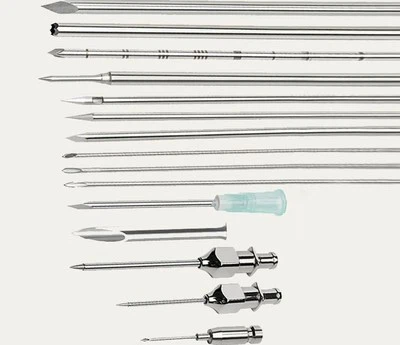
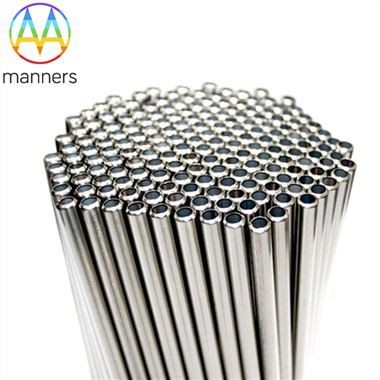
It is no coincidence that industry giants such as Olympus, Boston Scientific, and Cook Medical predominantly utilize medical-grade stainless steel for the structural backbone of their biopsy needles. The superior mechanical strength of stainless steel ensures the needle body resists bending or breakage during tissue passage, while its exceptional corrosion resistance withstands the complex biochemical environment within the human body, ensuring performance stability even after multiple sterilization cycles. Crucially, its biocompatibility has been rigorously validated, minimizing the risk of rejection. However, the competition among top manufacturers extends far beyond this baseline. They continuously refine the alloy composition and heat treatment processes of stainless steel. For instance, certain manufacturers employ specific grades of austenitic stainless steel, utilizing special cold-working and annealing processes to maintain hardness while imparting greater elasticity to the needle body, enhancing its trackability through the tortuous channels of an endoscope.
The ingenuity of manufacturers is further highlighted in the application of polymeric components. The use of medical-grade engineering plastics (such as PEEK and Polycarbonate) for handles and control mechanisms not only achieves weight reduction-thereby reducing clinician fatigue during lengthy procedures-but also ensures the precision and smooth operation of control elements like buttons and sliders through high-precision injection molding. Fujifilm, for example, integrates ergonomic design into the plastic handles of certain product lines, creating a unique grip that enhances operational efficiency.
Furthermore, surface treatment technology has become another battleground for establishing technical barriers. Mainstream hydrophilic coatings form a lubricious layer on the needle surface, significantly reducing puncture resistance, ensuring smoother sampling procedures, and minimizing tissue trauma. Companies like Conmed are advancing this further by developing composite coatings that add antimicrobial components to the hydrophilic base, aiming to reduce the risk of potential infections-a feature particularly valuable in the diagnosis and treatment of immunocompromised patients.
Thus, from the selection of base materials to microscopic surface modifications, the manufacturing of endoscopic biopsy needles represents a continuous material revolution. By consistently investing in R&D, leading manufacturers translate the physicochemical properties of these materials into clinical safety, precision, and efficiency, constantly reshaping the "backbone" of this essential diagnostic tool.