Material Durability Optimization For Needle Based Clinical Therapy
Sep 19, 2026
Pain Points Material performance defects are the key bottlenecks restricting the long-term application of needle-based clinical therapy. Traditional medical needles mostly adopt single stainless steel materials, which have poor fatigue resistance and are prone to structural fatigue and elastic failure after multiple bending and torque extrusion in complex human tissues. Ordinary needle tubes are susceptible to corrosion by body fluid and medicinal liquid, resulting in surface roughness, which increases tissue friction and easily causes secondary damage during repeated operations. In addition, single material design cannot balance flexibility, hardness and biocompatibility. Hard needles cause excessive tissue extrusion, while soft needles have insufficient pushability, failing to meet the long-term and high-frequency use needs of clinical complex surgeries.
Working Principle The material optimization principle of modern needle-based therapy is based on biomedical material mechanics and biocompatibility theory, selecting high-performance medical alloys and optimizing material matching through structural design. Different from single traditional materials, high-end therapeutic needles adopt multi-series medical stainless steel, Nitinol, L605 alloy and other composite materials. 304 and 316L stainless steel provide stable structural hardness and corrosion resistance, while Nitinol has unique shape memory and superelasticity, realizing automatic reset after bending deformation. Combined with precise laser cutting technology, the material stress distribution is optimized, the local stress concentration of the needle tube is reduced, and the overall durability and fatigue resistance of the needle body are improved, ensuring stable mechanical performance in long-term clinical intervention.
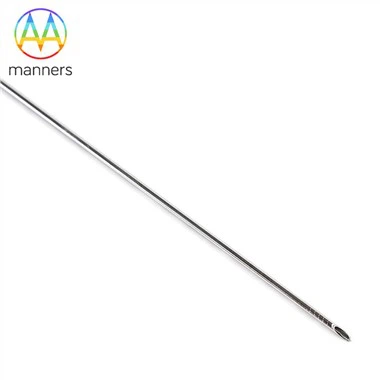
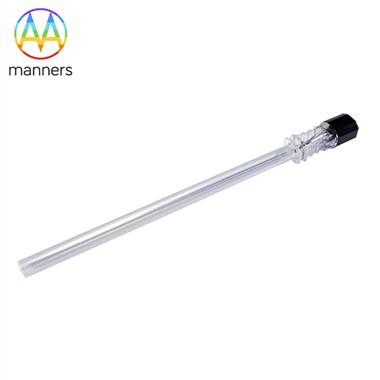
Equipment Classification According to material characteristics and clinical application scenarios, needle therapy equipment is divided into four major categories. First, 304 stainless steel therapeutic needles, with stable chemical properties and low cost, suitable for conventional minimally invasive detection and short-term intervention treatment. Second, 316L ultra-pure stainless steel needles, with enhanced corrosion resistance and biocompatibility, applicable to long-term indwelling and body fluid contact surgery scenarios. Third, Nitinol shape memory alloy needles, with excellent flexibility and fatigue resistance, suitable for complex curved vascular and deep tissue intervention. Fourth, L605 high-temperature and corrosion-resistant alloy needles, with strong structural stability, applicable to special surgical scenarios such as thermal ablation and drug high-temperature delivery.
Operation Guidelines Material durability maintenance and standardized operation are the key to ensure the therapeutic effect of needle-based therapy. First, material matching selection: select corresponding material needle tubes according to surgical duration, tissue environment and treatment mode, avoid mismatched materials leading to performance failure. Second, intraoperative standardized use: avoid excessive bending, violent torque and extrusion of the needle body during operation, control the bending angle within the material elastic range, and prevent permanent structural deformation. Third, postoperative professional cleaning and disinfection: adopt graded disinfection schemes according to material characteristics, avoid strong corrosive disinfectants damaging the needle surface and internal cutting structure. Fourth, regular performance detection: regularly detect the elasticity, torque and surface integrity of repeated-use needles, and eliminate aging and fatigue equipment in time to ensure clinical safety.
Practical Experience Clinical practical data verifies that optimized material matching can greatly improve the durability and stability of needle therapy equipment. In long-term indwelling urinary intervention treatment, 316L stainless steel laser-cut needles have a service life 2.5 times that of ordinary 304 steel needles, with zero corrosion and surface damage within 30 days of indwelling. In cardiovascular complex intervention surgery, Nitinol flexible needles can withstand more than 1000 repeated bending deformations without fatigue failure, far exceeding the performance limit of traditional stainless steel needles. The L605 alloy needle has stable structural performance in thermal ablation surgery, effectively avoiding material deformation and failure caused by high temperature. Standardized material matching and maintenance operations reduce equipment replacement costs by 40% for medical institutions.
Summary and Sublimation Material performance is the fundamental guarantee for the safety and durability of needle-based therapy. The diversified high-performance medical material system, combined with laser cutting structural optimization, solves the pain points of poor durability, easy corrosion and single performance of traditional needle equipment. The matching design of materials and application scenarios realizes the perfect balance of hardness, flexibility, corrosion resistance and biocompatibility of therapeutic needles, providing reliable equipment support for long-term, high-frequency and complex clinical minimally invasive treatments, and promoting the standardized and sustainable development of needle therapy technology.
Prospect Suggestions The future development of needle-based therapy materials should move towards composite functionalization and intelligent iteration. First, develop multi-layer composite functional materials with anti-corrosion, anti-inflammatory and drug-carrying properties to integrate treatment and protection functions. Second, optimize the proportion of Nitinol alloy materials to reduce production costs while maintaining superelastic performance, and realize large-scale clinical promotion. Third, carry out research on biodegradable needle materials to solve the problem of postoperative residual equipment and further improve the minimally invasive level. Fourth, establish a material performance big data detection system to realize real-time monitoring and early warning of needle fatigue and corrosion.