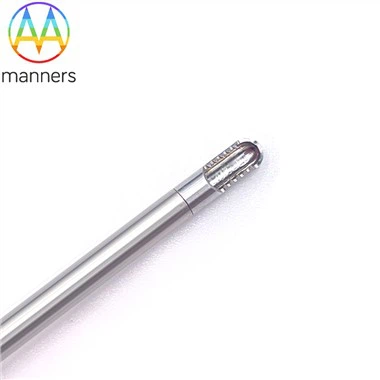
Lumbar Puncture Needle: Advancements in Neurological Research and Breakthroughs
Apr 16, 2024
Lumbar puncture needles are indispensable instruments in the realm of neurological research, offering unparalleled access to the central nervous system through the extraction of cerebrospinal fluid (CSF). This section serves as a foundational overview, emphasizing the pivotal role of lumbar puncture needles in advancing our understanding of neurological disorders and introducing the multifaceted applications explored throughout the article.
Basic Principles of Lumbar Puncture Needle in Neurological Research:
At the core of lumbar puncture needle utilization lies the ability to obtain CSF, a fluid rich in biomarkers reflective of neurological health and pathology. Here, we delve into the intricacies of CSF collection techniques, emphasizing the importance of precise needle placement, meticulous aseptic practices, and the nuanced interpretation of CSF constituents in neurological research.
Applications of Lumbar Puncture Needle in Neurodegenerative Disease Research:
Neurodegenerative diseases, such as Alzheimer's and Parkinson's, pose significant challenges to researchers and clinicians alike. This section explores how lumbar puncture needles have revolutionized the study of these conditions by enabling the extraction of CSF biomarkers for disease diagnosis, prognosis, and monitoring. Recent breakthroughs in biomarker identification and drug delivery mechanisms underscore the transformative potential of lumbar puncture in neurodegenerative disease research.
Impact of Lumbar Puncture Needle Technology on Diagnosis and Treatment of Neurological Disorders:
Advancements in lumbar puncture needle technology have profoundly impacted the diagnosis and treatment of various neurological disorders. By providing direct access to the CSF, lumbar puncture needles facilitate accurate diagnosis through CSF analysis and enable targeted drug delivery to the central nervous system. This section explores recent developments in diagnostic assays, therapeutic interventions, and personalized medicine approaches driven by lumbar puncture technology.
Applications of Lumbar Puncture Needle in Neuroanatomy and Physiology Research:
The intricate architecture and functioning of the nervous system continue to captivate researchers seeking to unravel its complexities. Lumbar puncture needles serve as invaluable tools for investigating neuroanatomy and physiology, enabling inquiries into neural circuits, neurotransmitter dynamics, and synaptic plasticity. Recent studies leveraging lumbar puncture techniques have yielded insights into brain connectivity, neurochemical signaling pathways, and the underlying mechanisms of neurological disorders.
Future Perspectives and Trends Analysis:
Looking ahead, lumbar puncture needle technology holds immense promise for driving further advancements in neurological research. Emerging trends such as the development of minimally invasive needle designs, integration of advanced imaging modalities for real-time visualization, and the application of novel biomarker-based assays are poised to redefine the landscape of neurological research. This section offers insights into these evolving trends and their potential implications for the field.
Conclusion:
In conclusion, lumbar puncture needles stand as indispensable assets in the arsenal of neurological researchers, facilitating groundbreaking discoveries and advancements in our understanding of the nervous system. By harnessing the power of technological innovation and fostering interdisciplinary collaboration, researchers are poised to address the most pressing challenges in neurology and chart new frontiers in diagnostics, treatments, and outcomes for individuals affected by neurological disorders.