The Spinal Needle Industry: A Panoramic View Of Market Size, Competitive Landscape, And Future Trends
Apr 22, 2026
The Spinal Needle Industry: A Panoramic View of Market Size, Competitive Landscape, and Future Trends
As a core instrument in neurosurgery, anesthesiology, and pain management, the spinal needle serves as a critical barometer for gauging the standard of diagnosis and treatment for global neurological diseases, as well as the advancement of regional anesthesia technology. In recent years, driven by an aging population, a rise in spinal surgeries, and the popularizationof minimally invasive diagnostic concepts, the global spinal needle market has demonstrated a robust trend of steady growth.
I. Market Size and Growth Drivers
From the perspective of market size, the global spinal anesthesia needle market was valued at approximately 1.07billionin2023∗∗andisprojectedtogrowto∗∗1.5 billion by 2032, exhibiting a Compound Annual Growth Rate (CAGR) of approximately 3.83% during the forecast period.
This growth is primarily fueled by several key drivers:
Rising Disease Prevalence: The global incidence of spinal degenerative diseases, such as spinal stenosis and disc herniation, continues to climb, directly increasing the demand for diagnostic lumbar punctures and therapeutic intrathecal injections.
Increasing Surgical Volumes: A surge in global surgical procedures, particularly in orthopedics (e.g., joint replacements) and obstetrics (e.g., Cesarean sections), has popularized spinal anesthesia as an efficient and reversible regional blockade technique.
Expanding Chronic Pain Management: The growing population of chronic pain patients is driving demand for pain management solutions via intrathecal drug delivery systems, all of which rely on precise puncture techniques.
II. Competitive Landscape: Concentration and Specialization
The market competition is characterized by a mix of high concentration among giants and the tenacious presence of specialized players.
Industry Titans: Global medical device conglomerates such as Medtronic, Boston Scientific, and B. Braun dominate the market. They secure major shares through comprehensive product portfolios, formidable R&D capabilities, and extensive global distribution networks.
Specialized Niche Players: A cohort of manufacturers focusing specifically on neurointervention or anesthesia devices-such as EXELINT International and Myco Medical-has carved out competitive advantages. They often excel in specific product types (e.g., pencil-point needles) or innovative designs.
Emerging Market Dynamics: In emerging markets, particularly China, local enterprises are rapidly rising through technological innovation and cost advantages, progressively participating in market competition.
III. Product Innovation and Technical Evolution
Product innovation remains the core of competition. Traditionally, spinal needles are classified into two main categories:
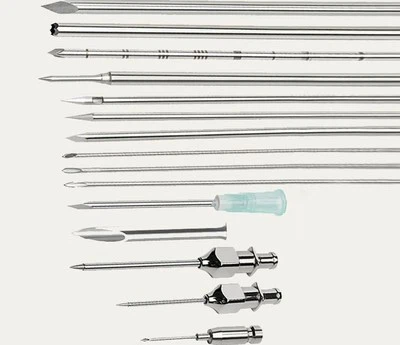
Pencil-Point Needles (e.g., Whitacre, Sprotte): Characterized by a blunt, rounded tip that separates rather than cuts dural fibers. This design significantly reduces the incidence of Post-Dural Puncture Headache (PDPH), making it highly favored in obstetric anesthesia. This type currently leads in market share.
Cutting (Quincke) Needles: Featuring a beveled, sharp tip that cuts dural fibers. These needles offer lower puncture resistance and are suitable for scenarios requiring rapid penetration.
Current technological evolution focuses on enhancing safety, precision, and user experience:
Micro-gauge Needles: Development of finer gauges (e.g., 25G, 27G) to minimize trauma.
Integrated Imaging Markers: Incorporation of ultrasound or X-ray visible markings for image-guided procedures.
Ergonomic Optimization: Improved design of the needle hub and shaft to enhance the "feel" and control for the operator.
IV. Regional Market Dynamics
North America: Currently holds the largest global market share, supported by a highly developed healthcare system and high surgical penetration rates.
Europe: Follows closely, characterized by stringent regulatory standards and mature clinical practices.
Asia-Pacific: Represents the fastest-growing market. Countries like China and India are becoming vital engines of global growth due to rapid improvements in medical infrastructure, large patient populations, and increasing healthcare affordability.
V. Future Trends
Looking ahead, the spinal needle industry is poised to evolve in the following directions:
Intelligence and Precision: Integration with ultrasound and neuromonitoring navigation systems will become standard, enabling "visualized" punctures that enhance accuracy and safety.
Disposability and Safety: To eliminate the risk of cross-contamination, the universal adoption of single-use, sterile-packaged, high-quality spinal needles is inevitable.
Advanced Materials: The application of new materials with superior biocompatibility, enhanced mechanical strength, and better imaging visibility will become more prevalent.
Conclusion
In summary, the spinal needle industry is on a trajectory of continuous development toward greater safety, precision, and comfort. Driven by the dual engines of upgrading clinical needs and relentless technological innovation, the market will maintain its upward momentum, providing more reliable solutions for neurological diagnosis and regional anesthesia worldwide.