The Paradigm Shift From Metal Reuse To Disposable High-molecular Materials
Apr 18, 2026
The paradigm shift from "metal reuse" to "disposable high-molecular materials"
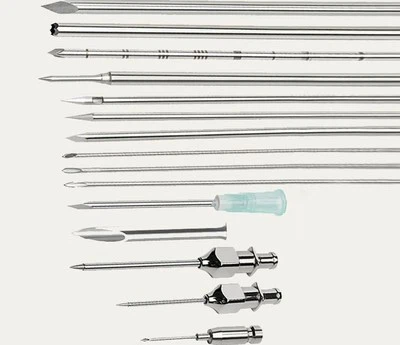
Early laparoscopic trocars were made of stainless steel and required repeated sterilization for use. Their design was simple, mainly consisting of a sharp puncture core with a metal cannula. This design had obvious drawbacks: puncture relied on force, posing high risks; the metal cannula was opaque, preventing observation of the puncture process; and repeated use led to wear, seal failure, and potential cross-infection risks.
The revolutionary change began with the advent of disposable transparent trocars. Represented by Medtronic Covidien's VersaPort™ series and Johnson & Johnson Ethicon's Endopath® series, they are made of medical-grade polycarbonate and other high-molecular materials. Transparent trocars allow surgeons to directly observe the separation of abdominal wall layers during puncture, achieving "visual puncture" and significantly enhancing safety. One-time use completely eliminates cross-infection and ensures that each surgery uses a brand-new sealing system.
II. Core Technological Innovations: Safety, Sealing, and Convenience
The technological competition in modern laparoscopic trocars revolves around the following core dimensions:
A leap in puncture safety: From sharp "blade-type" puncture cores to the mainstream "blunt separation type". The blunt design (such as conical or pyramidal) separates tissue fibers through blunt expansion rather than cutting, significantly reducing the risk of abdominal wall vessel and visceral injury and lowering the incidence of postoperative incisional hernia. Products like Applied Medical's VersaOne™ highlight this concept as a core selling point.
Evolution of the pneumoperitoneum maintenance system: A stable pneumoperitoneum is the foundation of laparoscopic surgery. Modern trocars integrate complex multi-valve sealing systems. Olympus' trocars typically use its patented magnetic sealing valve, which gently opens when instruments pass through and automatically closes tightly when withdrawn, with extremely low air leakage and reduced wear on delicate instruments (such as needles).
Fixation and anti-dislodgement design: Accidental dislodgement of trocars from the abdominal wall is a common problem during surgery. High-end products feature threaded trocars or expandable fixation wings that securely anchor to the abdominal wall. Some products also come with adjustable depth fixators to accommodate variations in abdominal wall thickness among different patients.
Multifunctional integration and intelligence: The latest trocars are trending towards becoming intelligent surgical portals. For example, they integrate smoke filtration and exhaust channels to improve the surgical field of view; they are designed with multi-instrument access ports, allowing two thin instruments to pass through a single trocar, reducing the number of puncture sites.
III. Future Trends: Fewer, Smaller, and Smarter
Laparoscopic surgery is moving towards less trauma, which poses new requirements for trocars:
Single-port laparoscopic surgery: Specialized single-port multi-channel trocars are needed, allowing multiple instruments and a camera to pass through a single umbilical incision. This places extremely high demands on the trocar's sealing performance and the prevention of interference between instruments.
Compatibility with robotic surgery: Robotic surgery systems like the da Vinci require dedicated trocars with robotic instrument interfaces to ensure the precision of mechanical arm movement and the integrity of the sterile barrier.
Digital integration: Future trocars may integrate micro-sensors to monitor pressure, temperature, or bleeding at the incision site in real time and integrate the data into the digital system of the operating room.
IV. Conclusion
Laparoscopic trocars have evolved from a basic tool to a highly engineered critical system. Their technological innovations always focus on reducing surgical risks, improving surgical efficiency, and enhancing patient outcomes. In the continuous progress of minimally invasive surgery, the role of trocars as "gateways" will become increasingly important. Their development towards intelligence and integration heralds the arrival of a safer and more precise era of surgery.