The First Key To Minimally Invasive Surgery
Jul 07, 2026
Clinical Principles and Multi-Department Application Analysis of the Trocar Needle
https://www.cookmedical.com/products/ir_dtn_webds/
In minimally invasive surgery (MIS), the trocar needle (commonly known as a trocar or cannula puncture needle) is regarded as the "first key" to establishing surgical access. It consists of a sharp obturator and a hollow cannula, with some models also featuring a seal valve and insufflation port. The basic principle is as follows: the cannula assembly with the obturator is percutaneously inserted through the skin, fascia, and peritoneum into the body cavity. After the obturator is withdrawn, the cannula remains in situto form a stable channel for repeated insertion and removal of instruments such as laparoscopic cameras, graspers, ultrasonic scalpels, and staplers. Simultaneously, CO₂ is insufflated through the insufflation port to establish and maintain pneumoperitoneum (typically at 12–15 mmHg), providing the surgeon with an operational space and clear field of vision.
Clinical applications are extensive:
Laparoscopy (General Surgery): Cholecystectomy, appendectomy, hernia repair, colorectal surgery, etc., commonly using 5 mm auxiliary ports alongside 10/12 mm camera and main operating ports.
Gynecologic Laparoscopy: Myomectomy, hysterectomy, ovarian cystectomy, etc., typically establishing a surgical triangle using 3–5 trocar ports.
Urologic Laparoscopy: Nephrectomy, adrenalectomy, radical prostatectomy, etc., requiring careful selection of puncture sites to avoid retroperitoneal great vessels.
Orthopedic Arthroscopy: Establishing intra-articular irrigation and instrument channels through small incisions. Although pneumoperitoneum is not created, arthroscopy equally relies on the trocar cannula to provide a pathway for repeated instrument passage.
Thoracic Surgery/Drainage: Simple trocars can be used for body cavity drainage in cases of pleural effusion or ascites.
Trocar type differentiation affects clinical selection:
By tip design: Bladed trocars offer fast penetration but carry a risk of vascular laceration; bladeless trocars rely on tissue separation and dilation, resulting in less bleeding; optical/visual trocars feature a transparent tip allowing endoscopic visualization during puncture, offering the highest safety; Hasson open trocars are suitable for patients with a history of abdominal surgery, suspected adhesions, or pediatric cases.
By usage: Disposable (avoids cross-infection, pre-installed sealing system) vs. reusable metal trocars (requires strict cleaning and sterilization).
By diameter: 3 mm (pediatric/fine assistance), 5 mm (common operating port), 10 mm (camera port/large instruments), 12 mm (laparoscopic staplers/specimen retrieval), 15 mm (special large instruments).
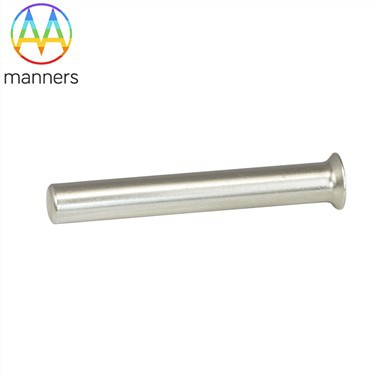
The product information you provided indicates that trocar needles are commonly made of 304/316 stainless steel for the obturator and cannula, customizable according to 2D/3D drawings, with diameters and lengths matched to surgical depth, and governed by ISO 9001/ISO 13485 quality systems-fully meeting the aforementioned clinical core demands for dimensional diversity, biocompatibility, and traceability.
With the widespread adoption of minimally invasive procedures, trocars have become indispensable basic consumables in laparoscopic surgery. A correct understanding of their structural principles and procedural matching is the foundational knowledge for clinical safe practice and for distributors in product selection and promotion.