The Core Application And Clinical Value Of H₂O₂ Transfer Needles in Low-Temperature Plasma Sterilization
Apr 19, 2026
The Core Application and Clinical Value of H₂O₂ Transfer Needles in Low-Temperature Plasma Sterilization
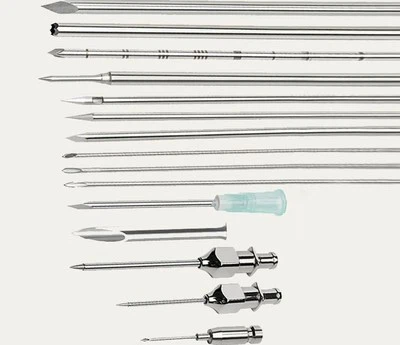
The H₂O₂ transfer needle is not an independent medical device but rather acts as the "actuator" executing a critical function within hydrogen peroxide low-temperature plasma sterilization systems. Its clinical value is fully integrated into the revolutionary advancements this sterilization technology brings to modern healthcare, particularly in the processing of complex instruments for minimally invasive surgery.
Core Application Scenario: The Low-Temperature Plasma Sterilization Cycle
Using the market-leading Sterrad series of equipment as a prime example, the standard sterilization cycle (approximately 47–57 minutes) encompasses several distinct phases. The H₂O₂ transfer needle plays a pivotal role during the injection stage. After a vacuum is established within the sterilization chamber, the system drives the transfer needle to precisely pierce the seal of a pre-packaged hydrogen peroxide cartridge. Typically, each cartridge contains multiple capsules, with each capsule holding approximately 1.8–2.5 ml of 58%–59% hydrogen peroxide solution. Through precisely controlled negative pressure, a metered amount of hydrogen peroxide is aspirated and injected into the chamber, where it vaporizes and diffuses across all surfaces of the instruments, including narrow, elongated lumens. Subsequently, radiofrequency energy excites this vapor to form plasma, which ultimately decomposes into harmless water vapor and oxygen. The entire process operates at low temperatures (approximately 47–56°C), is rapid, and leaves no toxic residues.
Addressing Clinical Pain Points and Core Value
1. Safe Sterilization of Heat-Sensitive Instruments
Traditional autoclaving (steam sterilization) inevitably damages expensive, precision instruments such as laparoscopes, arthroscopes, ureteroscopes, electronic equipment, fiber optics, plastics, and rubber products. The combination of low-temperature plasma technology and the precise dosing delivered by the H₂O₂ transfer needle allows these delicate instruments to be sterilized quickly and effectively at low temperatures. This significantly extends the lifespan of the equipment and reduces capital expenditure for hospitals.
2. Enhanced Operational Turnaround Efficiency and Safety
Compared to Ethylene Oxide (EO) sterilization, which often requires cycles lasting several hours or even over ten hours plus lengthy aeration times, hydrogen peroxide low-temperature plasma sterilization can be completed within one hour. Instruments are ready for use immediately upon removal, without the need for ventilation. This is critically important for rapid instrument turnover in operating rooms managing consecutive surgical procedures. Furthermore, this technology eliminates the toxicity, carcinogenicity, and explosion risks associated with EO, as well as the chemical residue and prolonged rinsing issues linked to glutaraldehyde soaking, making it safer for both healthcare workers and patients.
3. Ensuring Controllable and Reproducible Sterilization Processes
The precision manufacturing of the H₂O₂ transfer needle ensures consistency in every puncture and injection. Modern sterilizers are equipped with features such as automatic cartridge recognition, capsule counting, high-precision sensors, and fully automated vacuum injection technology. This guarantees the accuracy of each hydrogen peroxide dose-a key prerequisite for achieving a Sterility Assurance Level (SAL) of 10⁻⁶.
4. Simplified Operation and Reduced Occupational Exposure Risk
The design incorporating cartridge packaging and automated needle injection achieves "fully enclosed" transfer of hydrogen peroxide. Operators are completely isolated from high-concentration chemicals, drastically reducing the risks of occupational exposure and operational errors.
Contribution to Hospital Infection Control
In an era where hospital-acquired infection (HAI) control is of paramount importance, the ability to efficiently and reliably sterilize complex instruments is a critical link in preventing Surgical Site Infections (SSI). As a key component in achieving this goal, the reliability of the H₂O₂ transfer needle is directly tied to the success or failure of the entire sterilization process. Any failure in delivery, inaccurate dosing, or contamination resulting from a faulty transfer needle can lead to a failed sterilization cycle and potential infection risks. Therefore, selecting transfer needles produced by high-standard manufacturers like Manners Technology-products that have undergone rigorous validation-is a vital step for Central Sterile Supply Departments (CSSDs) in ensuring sterilization quality and patient safety.