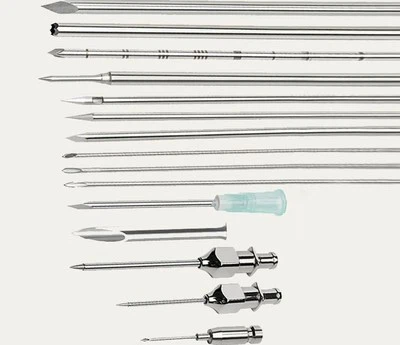
Analysis Of Global Regional Markets And Industrial Chain Opportunities For H₂O₂ Transfer Needles
Apr 19, 2026
Analysis of Global Regional Markets and Industrial Chain Opportunities for H₂O₂ Transfer Needles
The market for H₂O₂ transfer needles closely mirrors the global distribution of hydrogen peroxide low-temperature plasma sterilization equipment. Regional development characteristics are profoundly influenced by local medical standards, regulatory policies, healthcare expenditure, and infection control protocols.
North America and Europe: Mature and Dominant Markets
North America (particularly the United States) and Europe represent the birthplace and largest market for low-temperature plasma sterilization technology. These regions boast advanced healthcare systems, high acceptance rates for minimally invasive surgery, stringent hospital infection control standards, and robust payment capabilities. Giants such as Advanced Sterilization Products (ASP/STERIS) and Getinge, headquartered here, have driven early adoption and the establishment of industry standards.
Key Market Characteristics:
High Penetration Rate: In major hospitals and surgical centers, this technology is a standard configuration for processing heat-sensitive instruments.
Strong Brand Loyalty: Once a hospital invests in a specific sterilization system, it tends to use the original consumables, including H₂O₂ transfer needles, for the equipment's lifecycle, creating a stable and predictable supply chain.
Stringent Regulations: Regulatory bodies like the US FDA and the EU's MDR impose extremely high requirements for the registration, production, and quality control of medical devices, including sterilization equipment and consumables. This constitutes a significant barrier to market entry.
Growth Drivers: Current growth is primarily driven by the replacement and upgrading of existing equipment, demand for faster cycles (such as express cycle modes), and further market penetration into smaller clinics and ambulatory surgery centers.
Asia-Pacific Region: The Fastest-Growing Engine
The Asia-Pacific region, particularly China and India, serves as the primary engine for future market growth.
Key Driving Factors:
Medical Infrastructure Upgrades: Nations like China and India are heavily investing in healthcare infrastructure, building and upgrading hospitals-especially high-end private and large public institutions-leading to a surge in demand for advanced sterilization equipment.
Proliferation of Minimally Invasive Surgery: The rapid adoption of laparoscopic and robotic surgical techniques has generated a massive volume of precision, expensive, and heat-sensitive surgical instruments, directly fueling the need for low-temperature sterilization solutions.
Enhanced Infection Control Awareness: In the post-pandemic era, medical institutions have prioritized infection control as never before, driving the upgrade of sterilization technologies.
Emergence of Local Manufacturers: Beyond imported brands, domestic Chinese companies such as Shandong Xinhua Medical Instrument Co., Ltd., Laoken Medical, and Jianghan Medical are rapidly expanding. They offer competitive locally-produced low-temperature plasma sterilization equipment and consumables, which lowers procurement costs for end-users and accelerates the diffusion of this technology to second and third-tier city hospitals.
Policy Support: Government policies in China promoting the domestic substitution of medical devices provide significant development opportunities for local manufacturers.
Industrial Chain Opportunities and Challenges
Opportunities for Professional Component Manufacturers (e.g., Manners):
The Replacement Market: Providing rigorously validated, high-cost-performance compatible H₂O₂ transfer needles to hospitals helps them reduce consumable expenses without compromising on quality.
OEM/ODM Services: Offering customized transfer needle design and manufacturing services to domestic and international sterilization equipment manufacturers.
Emerging Market Expansion: Providing localized supply chain support as markets in Asia-Pacific, Latin America, and other developing regions expand.
Challenges:
Patent and Technical Barriers: Core sterilization technologies and consumable interface designs are often protected by original manufacturers' patents.
Quality and Certification: Compatibility needles must meet or exceed the quality and reliability standards of original parts while obtaining necessary regulatory certifications across different countries.
Market Trust: Building trust in the safety and efficacy of compatible consumables among hospitals requires significant time, extensive clinical validation data, and a proven track record of reliability.
In summary, the global H₂O₂ transfer needle market presents a dichotomy of mature, brand-loyal markets in the West and rapidly expanding, cost-sensitive emerging markets in the East. This dynamic creates distinct opportunities for both innovation and cost-effective manufacturing within the industrial chain.