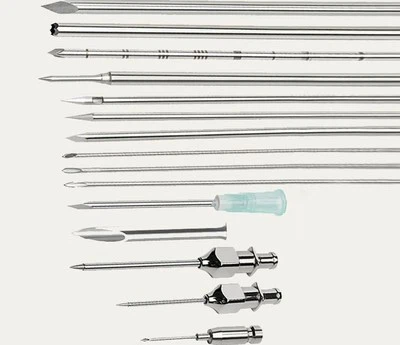
The Application Spectrum Of Vacuum-Assisted Breast Biopsy Needles
Apr 19, 2026
The Comprehensive Clinical Application Spectrum and Core Medical Value of Vacuum-Assisted Breast Biopsy Needles
The core medical value of the Vacuum-Assisted Breast Biopsy (VABB) needle lies in its ability to perform precise, adequate sampling, and even complete excision of suspicious breast lesions through a minuscule skin incision, all under real-time imaging surveillance. By significantly elevating the accuracy of breast disease diagnosis and the minimally invasive nature of treatment, it has become an indispensable tool in breast surgery. Its capacity to bridge the gap between diagnosis and therapy underscores its transformative role in modern oncology.
Core Clinical Application Scenarios
1. Pathological Diagnosis of Suspicious Breast Lesions
This constitutes the most fundamental and critical application of VABB. When mammography (mammograms), ultrasound, or MRI detects lesions that cannot be definitively characterized-such as masses, architectural distortion, asymmetric density, or, most notably, clustered microcalcifications-VABB is the preferred biopsy modality. Compared to Fine Needle Aspiration (FNA) and Core Needle Biopsy (CNB), VABB acquires substantially more and more contiguous tissue samples. This capability drastically reduces sampling errors and the rate of pathological underestimation, providing a reliable histopathological basis for the definitive diagnosis of breast cancer and subsequent molecular subtyping.
2. Minimally Invasive Excision of Small Benign Tumors
For benign breast tumors, typically fibroadenomas measuring less than 3 centimeters in diameter, VABB allows for their complete excision under ultrasound guidance. This achieves therapeutic goals without resorting to open surgery. Compared to traditional lumpectomy, VABB offers distinct advantages: minimal trauma, negligible scarring, rapid recovery, and preservation of breast cosmesis. Consequently, patient acceptance and satisfaction rates are remarkably high. Clinical studies from 2025 confirm the widespread use of VABB for this therapeutic purpose.
3. Efficacy Evaluation Following Neoadjuvant Therapy
For breast cancer patients undergoing neoadjuvant chemotherapy, assessing whether the lesion has achieved Pathological Complete Response (pCR) post-treatment is crucial. VABB serves as a minimally invasive method to accurately biopsy the area of the original tumor, evaluating treatment effectiveness and informing the formulation of subsequent surgical strategies. Research indicates that for specific types of breast cancer, utilizing VABB technology for excision after neoadjuvant therapy is a feasible approach.
4. Excision and Management of High-Risk Lesions
For lesions diagnosed as high-risk precursors to breast cancer, such as atypical hyperplasia and Lobular Carcinoma In Situ (LCIS), VABB can be employed to excise the lesion entirely. This approach not only clarifies the diagnosis but also partially mitigates the future risk of carcinogenesis while avoiding the morbidity associated with more extensive surgical procedures.
Operational Workflow and Advantages
The procedure is typically performed under local anesthesia. Guided by ultrasound (the most common modality), mammography, or MRI, the physician positions the biopsy needle beneath the target lesion. Through the synergistic action of vacuum aspiration and high-speed rotation for cutting, tissue is harvested sequentially. The entire process is visualized in real-time, allowing the doctor to adjust the orientation of the needle notch to ensure thorough sampling or complete excision of the target area.
Core Advantages and Value
High Diagnostic Accuracy: The large and intact tissue specimens obtained result in more reliable pathological diagnoses, reducing the need for repeat biopsies.
Minimally Invasive and Cosmetic: Requiring only a 3-5 mm incision leaves scars that are barely visible, preserving the aesthetic appearance of the breast.
Integration of Diagnosis and Treatment: For benign tumors, VABB enables a "biopsy-as-therapy" approach, often eliminating the need for a second surgical procedure.
High Accessibility: Most procedures can be completed on an outpatient basis, ensuring rapid patient recovery and significant savings in medical resources.
Challenges and Considerations
Despite its proven safety and efficacy, VABB is not without risks, including hematoma, infection, and, rarely, pneumothorax. The success of the procedure is heavily dependent on the operator's technical proficiency and the precision of image guidance. Extreme caution must be exercised when operating on lesions located near the skin surface, chest wall, or nipple. In summary, VABB technology has significantly optimized the diagnostic and therapeutic pathways for breast diseases, serving as a key driving force in propelling breast surgery toward greater precision, minimal invasiveness, and humanistic care.