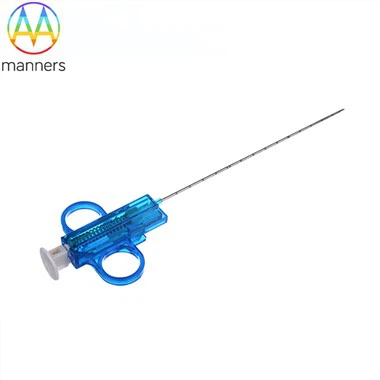
The Abdominal Drainage Tube Of The Drainage Tube
Nov 22, 2022
1, cavity viscera production hole or trauma rupture, often with secondary peritonitis
2. For the purpose of treatment of abscess in peritoneum and organs, puncture catheterization or surgical incision and drainage can be used
3. The surgical wound surface is large, with local exudation and excessive bleeding, which is prone to secondary infection 1. Several drainage substances and several drainage tubes may be placed in the abdominal cavity according to the needs of the condition.
2. Observe and record the character and quantity of the substance drained, replace the outer dressing sodden in time and estimate the amount of liquid. If there is no drainage, the drainage tube may be blocked; if the drainage fluid is blood and the flow rate is fast or much, the doctor should be informed in time to deal with it.
3. When the patient turns over, gets out of bed and defecates, the drainage tube should be prevented from slipping out or broken into the abdominal cavity. The one who slips out should be replaced with a new tube.
4. Those who need negative pressure drainage should adjust the required negative pressure and pay attention to maintaining the negative pressure state.
5. Gauze or Vaseline gauze should be closely observed to stop bleeding. If it is stable, it should be removed in 48-72 hours, or replaced with new gauze and then stuffed.
6. The drainage tube for preventive application should be removed within 48-72 hours, if in order to prevent the digestive fluid from leaking into the abdominal cavity after the rupture of the anastomosis, it should be removed on 4-6 days, if the pus of peritonitis should be drained according to the specific situation
7. If the drainage tube in the abdominal cavity cannot be removed for 2-3 days, the tube should be rotated every 2-3 days to avoid secondary damage caused by long-term fixed compression
8. If antibiotics and other drugs need to be injected with drainage tube or lumen irrigation, the aseptic principle should be strictly implemented
9. Observe possible complications caused by drainage, such as compression tissue necrosis and bleeding, intestinal fistula, subsequent infection, pain, etc., should be removed or replaced in time to deal with complications.