RF Needles + Manufacturers: Strategic Positioning And Competitiveness Building For Specialized Manufacturers
Apr 22, 2026
RF Needles + Manufacturers: Strategic Positioning and Competitiveness Building for Specialized Manufacturers
Specialized manufacturers of RF needles occupy a unique position in the global medical device market. Their strategic choices, capability building, and resource allocation directly influence their competitive standing and development trajectory. In an industry characterized by rapid technological evolution, intensifying competition, and tightening regulations, specialized manufacturers must establish a sustainable leadership position within their niche markets through clear strategic positioning and differentiated competitive advantages.
Strategic Focus on Specialization
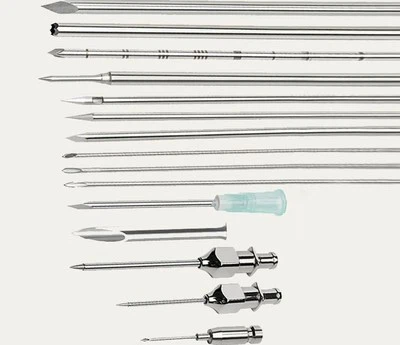
Specialization is the core strategic choice for RF needle manufacturers. Unlike large, diversified medical device conglomerates, specialized manufacturers typically adopt a strategy of depth over breadth, concentrating on the specific category of RF needles. They build professional advantages in one or more niche areas, such as pain management, tumor ablation, cardiac electrophysiology, or aesthetic medicine. This focus strategy allows enterprises to concentrate R&D resources, gain deep insights into specific clinical needs, respond rapidly to market changes, and establish technical and brand barriers. Product characteristics-such as cannula material selection, needle length design, diameter range, and insulated tip configuration-are optimized based on the target application scenario. This specialization ensures superior performance in specific clinical settings.
Technological Innovation as the Core Competency
Technological innovation is the primary source of competitiveness for specialized manufacturers. RF needle technology involves multidisciplinary knowledge, including material science, precision machining, thermodynamics, and electronic engineering, requiring continuous R&D investment and technical accumulation. Leading manufacturers establish advantages in several key technical areas:
Material Innovation: Developing new alloys and coatings to enhance needle strength, heat resistance, and biocompatibility.
Design Optimization: Utilizing Computational Fluid Dynamics (CFD) and Finite Element Analysis (FEA) to improve thermal distribution and hydrodynamic characteristics.
Manufacturing Processes: Employing multi-axis CNC machining, laser cutting, and electropolishing to ensure high precision and consistency.
Smart Integration: Developing intelligent RF needles with integrated sensors and feedback systems to enhance surgical safety and efficacy.
These innovations not only improve product performance but also create intellectual property barriers that protect the manufacturer's market position.
Product Portfolio Strategy
A manufacturer's product portfolio reflects the depth and breadth of its market coverage. Specialized manufacturers typically offer a complete product line covering various lengths, diameters, and tip designs to meet diverse clinical needs.
Core Product Lines: Target routine applications, emphasizing reliability and cost-effectiveness.
Premium Product Lines: Integrate advanced functionalities to meet the demands of complex surgeries.
Customization Services: Provide personalized solutions based on the special requirements of hospitals or physicians.
This multi-level product portfolio allows companies to serve different customer segments, increasing market coverage and customer stickiness. The breadth of application areas-from pain management and tumor ablation to cardiac ablation, aesthetic procedures, and neurosurgery-provides a natural extension path for product line expansion.
Quality Control: The Foundation of Trust
For RF needles, which are Class II or III medical devices implanted directly into patients, quality and safety are paramount. Leading manufacturers establish robust Quality Management Systems (QMS) covering the entire process from raw material procurement to finished product dispatch.
Raw Material Inspection: Ensuring medical-grade stainless steel and other materials meet biocompatibility and mechanical property requirements.
Production Process Control: Using Statistical Process Control (SPC) and automated inspection to guarantee dimensional accuracy and functional consistency.
Finished Product Testing: Comprehensive validation including electrical safety, thermal distribution, and sterility assurance.
Continuous Improvement: Utilizing customer feedback and adverse event analysis to constantly optimize product design and manufacturing processes.
International certifications such as ISO 13485, FDA 510(k), and CE Marking are not only market access requirements but also a testament to the manufacturer's commitment to quality.
Market Entry and Expansion Strategies
Market entry and expansion strategies need to balance depth and speed. Specialized manufacturers often adopt a progressive approach:
Foundation Building: Establish a strong presence in the familiar domestic market, accumulating clinical evidence and brand reputation.
Regional Expansion: Enter regional markets through distributors or direct sales teams.
Global Reach: Achieve global presence through strategic partnerships or mergers and acquisitions.
In different market stages, enterprises must adjust their strategies. The North American market values clinical evidence and insurance coverage; the European market focuses on technological advancement and environmental standards; the Asian market prioritizes cost-effectiveness and localized support.
Supply Chain Resilience and Cost Control
The production of RF needles involves special metals, electronic components, and packaging materials, making supply chain management complex. Leading manufacturers optimize their supply chains through several strategies:
Supplier Diversification: Reducing the risk of single-source dependency.
Long-term Agreements: Stabilizing prices and supply through long-term contracts.
Vertical Integration: Bringing the production of key components in-house to increase control.
Digital Supply Chains: Improving transparency and responsiveness.
Fluctuations in raw material costs and the global trend of healthcare cost containment put pressure on profit margins, forcing manufacturers to optimize cost structures without compromising quality.
Clinical Support and Service Differentiation
Since the effective use of RF needles requires specialized knowledge and skills, manufacturers can differentiate themselves through systematic clinical support:
Training Programs: Covering basic theory, operational techniques, and complication management.
Key Opinion Leader (KOL) Networks: Providing surgical guidance and expert consultation.
Technical Hotlines and Online Support: Offering immediate assistance during procedures.
Clinical Research Collaboration: Generating real-world evidence to support product improvement and marketing efforts.
This deep clinical collaboration not only increases product acceptance but also builds long-term customer relationships and creates competitive barriers.
Navigating Industry Challenges
Facing industry challenges, specialized manufacturers need multidimensional responses:
Rapid Tech Updates: Balance short-term product improvements with long-term technological breakthroughs.
Intense Competition: Avoid homogeneous price wars by focusing on value-based differentiation.
Strict Regulations: Build strong regulatory affairs capabilities to manage increasing compliance costs.
Cost Pressures: Optimize operations through automation, lean manufacturing, and supply chain optimization.
The Chinese Market Context
In the Chinese market, specialized manufacturers face unique opportunities. Policies supporting domestic medical device innovation and the acceleration of import substitution provide significant tailwinds. The advancement of the tiered diagnosis and treatment system expands the market capacity for grassroots hospitals. Domestic manufacturers can leverage technological innovation to break through foreign patent barriers and utilize cost advantages to compete in the mid-to-low-end market, gradually moving up the value chain.
Future Development Strategies
Future strategies may include:
Technology Leadership: Maintaining product advancement through continuous R&D, exploring AI, robotics, and nanotechnology.
Market Expansion: Entering new application areas like neuromodulation or metabolic disease treatment.
Collaborative Innovation: Partnering with research institutions and tech companies to accelerate technology transfer.
Digital Transformation: Utilizing data analytics to optimize product design and market strategies.
Sustainability: Focusing on environmental and social responsibility by developing green products and ethical supply chains.
Conclusion
In summary, specialized RF needle manufacturers build sustainable advantages in the fiercely competitive medical device market through specialization, technological innovation, quality excellence, and customer intimacy. Facing industry transformations, enterprises must maintain strategic determination, continuously innovate, and optimize operations. As precision medicine and minimally invasive therapies advance, specialized RF needle manufacturers will play an increasingly important role in global healthcare innovation.