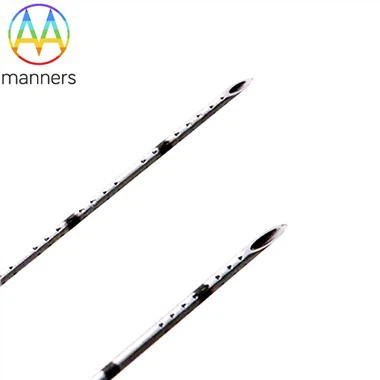
Prevention And Treatment Of Complications Of Lumbar Puncture Needle
Jan 19, 2023
1. Low cranial pressure syndrome: cerebrospinal fluid pressure in lateral decubitus position is below 0.58 to 0.78kPa(60-80mm water column), which is relatively common. In most cases, due to thick puncture needle, unskilled puncture technique or early wake up after surgery, cerebrospinal fluid continues to drain from the meningeal puncture hole, resulting in significantly aggravated headache after sitting up. In severe cases, nausea and vomiting, dizziness, fainting, supine lying or headache when the head is low can be alleviated or relieved. A few can appear consciousness disorders, mental symptoms, meningeal stimulation signs, about one to a few days. So should use fine needle puncture, post-operative pillow supine (best prone) 4-6 hours, and drink more boiling water (avoid drinking strong tea, sugar water) often can be prevented, such as has occurred, in addition to continue to tell the patient supine and drink more boiled water, also can be appropriate static injection of distilled water 10-15ml or 5% grape saline 500-1000ml, 1-2 times /d, a few days, often can be cured. Another lumbar puncture can also be performed in the spinal canal or epidural injection of 20-30ml normal saline to eliminate the negative pressure in the epidural space to prevent continued leakage of cerebrospinal fluid.
2. Cerebral hernia formation: when intracranial pressure is increased (especially the posterior cranial fossa and temporal Ji space-occupying lesions), cerebral hernia can occur at the time of puncture or within a few hours after surgery when the lumbar puncture is too much and too fast, so serious attention and prevention should be paid. If necessary, the dehydrating agent such as 20% mannitol solution 250ml can be quickly injected intravenously before the prescription, then puncture with a fine needle and slowly drop a few drops of cerebrospinal fluid gas for laboratory examination. If misfortune occurs, corresponding rescue measures should be taken immediately, such as intravenous injection of 20% mannitol 200-400ml and hypertonic diuretic dehydrating agent, etc., when necessary, it can also be puncture fluid from the ventricle and rapid injection of normal saline from the spinal canal 40-80ml, but it is generally difficult to work.
3. The sudden aggravation of the original spinal cord and spinal nerve root symptoms: it is more common in spinal cord compression, which may be caused by the change of pressure after lumbar puncture and release of fluid, resulting in the change of the pressure balance between the spinal cord, nerve root, cerebrospinal fluid and the lesion in the spinal canal. It can aggravate symptoms such as root pain, paraplegia and obstruction of bowel and urine, and can cause dyspnea and arrest in high cervical spinal cord compression. In the case of the above symptoms, 30-50ml normal saline can be injected into the spinal canal first: if the curative effect is not good, please consider surgery for emergency treatment. In addition, among the complications, intracranial infection and nerve root injury in the cauda equine can also occur due to improper puncture, which is relatively rare.