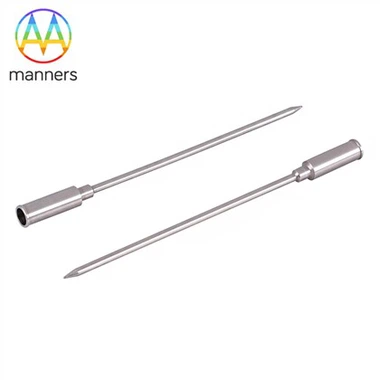
Packaging & Global Logistics Of 21-32G Blood Lancet Needles
Oct 03, 2026
1. Industry Pain Points
Packaging and logistics are frequent pain points for export of 21–32G lancets. Simple thin packaging causes needle tip damage during long-distance sea or air transport. Poor sealing destroys sterile barrier, contaminating lancets. Many manufacturers lack customized packaging capability and can only supply standard cartons, unable to meet private label brand requirements. Product marking is incomplete, lacking gauge specification and sterile information, which triggers customs clearance delays. Different countries have varied medical consumable import requirements. Without complete certification documents, shipments get detained. Stacking and extrusion damage packages, especially for ultra-fine 29–32G lancets whose tips are easy to deform. Poor packaging design restricts global market expansion of 21–32G blood lancet needles.
2. Packaging & Logistics Core Principle
21-32G Blood Lancet Needles adopt dual-layer protection packaging design. Inner unit packaging provides sterile sealing for each lancet. Outer layer is rigid standard carton for anti-extrusion protection. The product supports customized packaging according to customer requirements, including printed logos and custom labels. All packaging marks clearly display gauge (21–32G), material, sterile status and batch information. As injection and puncture instruments, they need complete certification documents for cross-border customs clearance. Logistics classification selects sea freight, air freight or express delivery based on customer lead time. The core principle is protecting needle tip integrity, maintaining sterility and meeting import regulatory requirements of destination countries.
3. Packaging & Logistics Mode Classification
Two packaging categories are available for 21–32G lancets. First, standard bulk carton packaging: low cost, good anti-pressure performance, for hospital wholesale and large export orders. Second, customized branded packaging: custom printing, label and inner box design, for retail and branded distributors. Three shipping modes: sea freight for large-volume low-urgency orders; air freight for medium orders with shorter lead time; express special line for small batch sample orders. All shipping options carry complete certification documents for medical consumable customs clearance. Both standard and custom packaging apply to all 21–32G gauges and custom needle lengths.
4. Packaging & Shipping Operation Guidelines
After checkout room inspection, pack qualified 21–32G lancets into individual sterile inner packs. Place packed products into outer cartons with buffer filling to avoid extrusion. For custom orders, print brand logo and specification labels according to customer drawings. Mark gauge 21–32G, batch number and sterile expiry date clearly on carton. Sort products by gauge and prepare certification documents. Select shipping method based on delivery schedule and budget. Fix cartons securely on pallets for sea freight. Track logistics status after shipment. Remind customers to inspect outer package upon arrival and reject damaged cartons. Store products in dry, cool warehouse after receiving.
5. Practical Logistics Experience
Global export data shows dual-layer packaging greatly reduces damage rate of 21–32G lancets during cross-border transport. Ultra-fine 30–32G lancets are well protected against tip deformation with buffer packing. Complete product marking and certification documents shorten customs clearance time and reduce detention risk. Brand-customized packaging helps distributors improve product competitiveness in retail markets. Sea freight bulk orders using standard cartons achieve stable cost advantage. Sample shipments via air express meet quick prototype demands. Buyers report high intact rate after long ocean shipment, and sterile condition remains intact if packages are not broken. Flexible packaging and shipping options raise customer satisfaction of 21–32G lancet export business.
6. Summary and Sublimation
Scientific packaging and diversified logistics system serve as key international competitiveness for 21-32G Blood Lancet Needles. Dual-layer sterile and anti-extrusion packaging protects stainless steel lancet tips and preserves sterility during global transportation. The choice between standard carton and customized packaging satisfies wholesale and branded retail markets. Complete certification and marking system removes cross-border trade barriers. Reliable multi-mode shipping realizes stable global delivery. Packaging and logistics system supports the whole 21–32G gauge series and custom-length orders, helping domestic medical puncture instruments enter global markets.
7. Logistics Prospect and Suggestions
Manufacturers should develop lightweight eco-friendly high-strength carton materials to cut logistics weight while maintaining protection. Optimize inner buffer structure specially for ultra-fine 30–32G lancets. Expand multi-language label options for regional markets. Improve international certification portfolio to meet MDR, FDA and other global medical standards. Cooperate with professional medical cold-chain and sterile cargo logistics providers. Build digital shipment tracking system for customers. Continuously optimize packaging design to reduce carbon footprint and shipping cost, promoting global sales growth of 21–32G lancets.