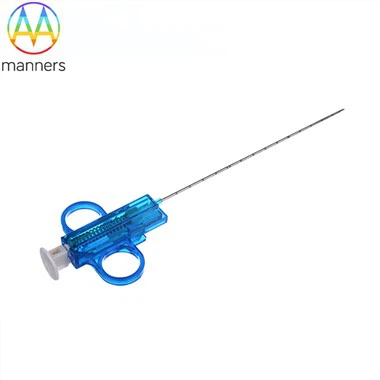
Medical Needle OEM Sterilization And Aseptic Quality Batch Control
Sep 21, 2026
1. Industry Pain Points
Aseptic quality instability is a key quality bottleneck restricting the export and high-end brand cooperation of medical needle OEM products. Most small and medium-sized OEM factories have non-standard clean workshop environments and imperfect sterilization processes, leading to unqualified aseptic rate of batch customized products. Laser cutting and polishing residues easily remain in needle tube gaps and inner walls; ordinary cleaning processes cannot completely remove tiny impurities, resulting in microbial breeding hidden dangers. Non-standard sterilization parameter setting leads to incomplete sterilization or excessive sterilization damage to product surface coating and mechanical performance. Manual packaging operation in non-aseptic environments causes secondary pollution of finished OEM needles. In addition, the lack of batch aseptic sampling mechanism and full-process monitoring system leads to missed detection of individual unqualified products, easily causing postoperative infection risks in clinical use, seriously affecting OEM brand reputation and customer trust.
2. Aseptic Control Working Principle
The core principle of medical needle OEM aseptic quality batch control is full-process pollution prevention and standardized microbial elimination, realizing zero-aseptic-risk factory delivery of disposable medical customized products. The whole OEM production process is carried out in ISO standard medical clean workshops to isolate environmental microbial and dust pollution. Multi-stage ultrasonic precision cleaning completely removes processing residues in needle tube inner walls and cutting gaps to eliminate microbial attachment carriers. Standardized ethylene oxide sterilization or gamma radiation sterilization technology completely kills bacteria, fungi and spores on product surfaces and interiors. Professional degassing treatment eliminates sterilant residue to ensure product biological safety. Closed-loop management of cleaning, sterilization, aseptic packaging and batch testing avoids secondary pollution, ensuring that each batch of OEM customized medical needles meets international disposable medical aseptic standards.
3. Classification of Aseptic Production Equipment
Medical needle OEM aseptic quality control equipment is divided into cleaning, sterilization, packaging and testing four functional systems. First, multi-stage ultrasonic precision cleaning equipment, removing tiny processing residues inside and outside the needle tube to eliminate pollution sources. Second, medical-grade batch sterilization equipment, supporting adaptive sterilization parameter adjustment for different material customized needles to avoid product performance damage. Third, full-automatic aseptic sealing packaging equipment, completing sealed packaging in dust-free and sterile environment to prevent secondary pollution. Fourth, microbial detection and residue analysis equipment, detecting batch product microbial indicators and sterilant residue to ensure full compliance with medical aseptic standards.
4. Aseptic Control Operational Guidelines
First, standardize clean workshop operation management, regularly disinfect production environment and equipment surface to maintain dust-free and sterile production conditions. Second, conduct multi-stage fine cleaning of semi-finished OEM products to completely remove residual impurities. Third, set differentiated sterilization parameters according to product material and structure to ensure thorough sterilization without performance damage. Fourth, complete degassing and residual detection after sterilization to eliminate harmful residue. Fifth, carry out full-automatic aseptic sealed packaging and batch information marking. Sixth, implement proportional batch sampling inspection of microbial indicators to ensure stable aseptic quality of batch products.
5. Practical OEM Industry Experience
Aseptic production practice verifies that residue cleaning before sterilization is the core link to ensure thorough aseptic treatment. Tiny laser cutting debris remaining in needle gaps is the main cause of unqualified batch sterilization. Full-automatic aseptic packaging can reduce secondary pollution rate to below 0.1%, far superior to manual packaging quality. Different alloy customized needles have different sterilization tolerance; fixed universal sterilization parameters easily lead to product performance attenuation or incomplete sterilization. OEM manufacturers with standardized full-process aseptic control systems have batch aseptic qualification rate stable above 99.9%, which is a necessary condition for cooperating with international high-end medical brands and exporting overseas markets.
6. Summary and Sublimation
Full-process aseptic quality batch control is the bottom-line safety guarantee for medical needle OEM disposable products and the basic threshold for market access and brand cooperation. Aseptic safety is directly related to clinical patient health and is the most core quality indicator for medical device OEM processing. Standardized cleaning, sterilization and aseptic packaging processes solve the industry pain points of incomplete sterilization and secondary pollution, ensuring the zero-infection safety of OEM customized medical needle products, and supporting the standardized and international development of OEM enterprises.
7. Future Development Suggestions
Medical needle OEM manufacturers should fully upgrade intelligent aseptic production lines, realize unmanned full-process operation to eliminate manual pollution risks. Optimize low-damage and high-efficiency sterilization processes to adapt to diversified customized product production. Build real-time intelligent aseptic monitoring systems to realize automatic early warning of environmental and product pollution. Further upgrade clean workshop levels, align with global medical device aseptic standards, improve product international market access capability, and expand high-end OEM order scale.