Market Landscape Is Of Major Manufacturers in The H₂O₂ Transfer Needle Sector
Apr 19, 2026
Market Landscape and Competitive Analysis of Major Manufacturers in the H₂O₂ Transfer Needle Sector
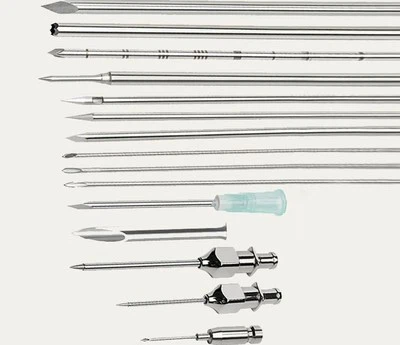
The H₂O₂ transfer needle, often referred to as a hydrogen peroxide transfer needle, is a mission-critical precision consumable within low-temperature plasma sterilization systems. Its dedicated function is to safely and precisely inject high-concentration hydrogen peroxide (H₂O₂) from storage cartridges into the sterilization chamber of systems such as the Sterrad® 100NX/NX. As the pivotal component connecting the sterilant to the sterilization equipment, its performance is directly linked to the efficacy and safety of the sterilization process. This market is intrinsically tied to the low-temperature plasma sterilization equipment sector and continues to expand, driven by the proliferation of minimally invasive surgeries and the escalating demand for sterilizing heat-sensitive instruments.
Market Drivers and Scale
The global market for hydrogen peroxide disinfection and sterilization is experiencing steady growth. Reports indicate that the market size for hydrogen peroxide used in disinfection and sterilization within the Asia-Pacific region was approximately 300.72millionin2023andisprojectedtogrowtoabout493.47 million by 2031, representing a Compound Annual Growth Rate (CAGR) of 6.4%. Similarly, the European market is expected to increase from 164.98millionin2023to263.5 million by 2031, with a CAGR of 6.0%. This growth is fundamentally fueled by the healthcare industry's urgent need for efficient, environmentally friendly, and low-temperature sterilization solutions. This is particularly critical when processing the ever-increasing volume of delicate instruments such as endoscopes, flexible scopes, and electronic devices. Hydrogen peroxide low-temperature plasma technology has emerged as the preferred choice due to its rapid cycle times, low-temperature operation, and absence of toxic residues. Consequently, as a key link in this technological chain, the demand for H₂O₂ transfer needles is rising correspondingly.
Competitive Landscape and Key Players
The H₂O₂ transfer needle market exhibits a classic structure characterized by "system manufacturers leading and professional component suppliers supporting."
1. Original Equipment Manufacturers (OEMs):
Companies like Advanced Sterilization Products (ASP), now part of the STERIS group, are at the forefront. Their flagship Sterrad series of low-temperature plasma sterilizers leads the global market. ASP typically supplies original, compatible sterilization cartridges and transfer needles, constructing a closed or semi-closed ecosystem of consumables that fosters exceptionally high customer loyalty. Other internationally renowned infection control solution providers, including Getinge, 3M Health Care, Belimed, and Tuttnauer, also command significant market presence.
2. Professional Component/Consumable Manufacturers:
These entities form the backbone of H₂O₂ transfer needle production. For instance, Manners Technology is a prominent manufacturer specializing in compatible H₂O₂ transfer needles for the aforementioned mainstream brands. Their products, manufactured using precision processes like rotary swaging and laser welding with 303 and 304 stainless steel, comply with RoHS and ASTM B912 standards. Manners claims its products are supplied to giants like STERIS, Getinge, 3M, and Belimed. Additionally, brands like RPI exist in the market, offering replacement transfer needles compatible with Sterrad NX/100NX systems.
3. Integrated Low-Temperature Sterilizer Manufacturers:
Beyond international brands, domestic Chinese manufacturers are rapidly emerging. Companies such as Shandong Xinhua Medical Instrument Co., Ltd., Jianghan Medical, and Laoken Medical produce proprietary brands of hydrogen peroxide low-temperature plasma sterilizers, complete with matching cartridges and transfer needles. These manufacturers compete with international brands in the domestic and emerging markets by leveraging cost-performance advantages and localized service support.
Products and Business Models
H₂O₂ transfer needles are typically marketed as single-use or limited-use consumables, sold either bundled with hydrogen peroxide cartridges or separately. The business model is heavily reliant on a closed-loop "equipment + dedicated consumables" system. Once a hospital invests in a specific brand of sterilizer, it generally commits to using original or certified compatible consumables, including the transfer needles, for the lifecycle of the equipment. Therefore, market competition transcends mere product quality; it is a contest of ecosystem lock-in, customer service excellence, and supply chain reliability.
Future Trends
As medical sterilization standards become increasingly stringent and minimally invasive surgical instruments grow more complex, the requirements for sterilization efficiency and instrument compatibility are continually rising. This will drive the evolution of H₂O₂ transfer needles towards greater precision, extended service life, and enhanced material compatibility (specifically to prevent catalytic decomposition of hydrogen peroxide). Concurrently, pressures for cost control and demands for sustainable development may incentivize more hospitals to consider the use of rigorously validated, high-quality compatible consumables. This shift presents significant market opportunities for specialized component manufacturers capable of meeting these exacting standards.