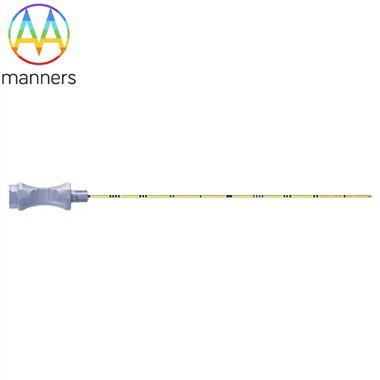
Intraosseous Infusion Needle — Complete Solution For Difficult Vascular Access
Nov 22, 2026
Meta description: Intraosseous Infusion Needle is a complete solution for difficult vascular access, delivering immediate central circulation access in time-sensitive emergency care.
The Burden of Difficult Vascular Access
Difficult vascular access is a well-known clinical bottleneck in emergency medicine. It appears in patients with severe dehydration, shock, extensive burns, chronic venous disease, obesity or paediatric small veins. Repeated IV attempts consume critical minutes during resuscitation, distract the team from airway and chest compression tasks, and may still fail. The Intraosseous Infusion Needle is positioned as a complete solution for this exact challenge: when providers face difficult vascular access or require immediate intraosseous access for life-threatening emergencies.
Integrated System Design
The full system combines a specially designed cutting IO needle and a small power driver. Instead of asking clinicians to rely on hand force to drive through cortical bone, the powered component delivers consistent, controllable advancement. The operator keeps full authority over the procedure and avoids uncontrolled force. This design supports rapid, smooth entry into the bone's medullary cavity and creates an immediate conduit to the central circulation for drugs, fluids and blood products.
Core Product Specifications
The device belongs to injection and puncture instruments and is manufactured mainly from medical-grade stainless steel. The standard specification is 15G, the common choice for adult difficult-access rescue. Custom needle sizes and geometries are available according to customers' 2D/3D drawings or physical samples. Packaging can use standard cartons for bulk procurement or customised sterile packaging, labelling and presentation as required by distributors and medical institutions.
Indications for Difficult Vascular Access
The device is indicated whenever conventional intravenous access proves difficult, delayed or impossible. This includes pre-hospital shock, cardiac arrest, critical sepsis, trauma with collapsed veins, paediatric difficult cannulation and patients with a history of poor venous access. It serves as a temporary emergency pathway rather than a long-term infusion route. Once a stable peripheral or central IV is secured, the intraosseous catheter should be removed following local protocol.
Practical Insertion Process for Difficult-Access Patients
The workflow is optimised for high-stress, difficult-access cases. After landmark selection and skin preparation, attach the needle to the power driver. Stabilise the insertion site and maintain proper alignment. Activate the driver for controlled penetration through soft tissue and cortex. Stop once the operator senses entry into the medullary cavity, detach the power driver, confirm placement, secure the catheter and start infusion. The streamlined sequence helps teams overcome the frustration of repeated failed IV attempts.
Clinical Benefits in Difficult-Access Cases
The main benefit is speed: vascular access can be established within seconds, allowing resuscitation therapy to proceed without delay. The power driver reduces operator fatigue, which matters when clinicians are already managing complex critically ill patients. The cutting needle delivers cleaner bone entry, lowering the risk of complications linked to rough, forceful penetration. It also offers predictable performance in patients where peripheral veins are completely non-visible and non-palpable.
Risk Control Strategy
Even with an excellent difficult-access solution, risk control must be maintained. Check for absolute contraindications such as fracture, overlying infection and prior IO placement at the same site. Watch closely for extravasation, especially when infusing vesicant medications. Choose custom sizes for paediatric and small adult patients to match tissue depth and bone thickness. Train staff to recognise both successful placement signs and early complication signals.
Market and Supply Chain Value
Hospitals, EMS agencies and medical distributors look for dependable, cost-effective solutions for difficult vascular access. The Intraosseous Infusion Needle with power driver fills this demand. Custom manufacturing flexibility makes it easier to align product specifications with local tender requirements, clinical guidelines and packaging standards. As emergency care protocols increasingly prioritise early IO access after failed IV attempts, this device will remain a core item in difficult-access emergency kits worldwide