Industry And Market Perspective: The RF Transseptal Needle – Competitive Logic in A High-Barrier Blue Ocean Market And Opportunities For Domestic Production
Apr 09, 2026
Industry and Market Perspective: The RF Transseptal Needle – Competitive Logic in a High-Barrier Blue Ocean Market and Opportunities for Domestic Production
Within the competitive arena of high-value cardiac intervention consumables, the radiofrequency (RF) transseptal needle represents a classic "blue ocean" segment characterized by high barriers to entry, high growth, and high added value. Its development journey perfectly illustrates how a medical device, starting from addressing a specific clinical pain point, establishes market dominance and profoundly influences the industry landscape by constructing a complete technological and commercial ecosystem.
I. Market Drivers: The Evolution from "Clinical Value" to "Operational Value"
Initial Driver (Addressing Clinical Pain Points): Precise positioning to tackle complex septal anatomy cases that were difficult for traditional mechanical puncture. Its value proposition was clear: improve the success rate and safety of complex cases. At this stage, the market was driven by demand from experts at top-tier electrophysiology centers. Products were priced high, with a focus on clinical education and expert endorsement.
Current Driver (Efficiency and Standardization): The value proposition has expanded beyond solving difficult problems to enhancing the efficiency and standardization of the entire operating room workflow. Even for simple cases, the predictability, shorter procedure/fluoroscopy time, and reduced complications offered by RF puncture directly translate to higher operating room turnover and lower comprehensive costs. Procurement decisions are shifting from individual expert preference to departmental evaluations based on integrated clinical and operational data, driving continuous and rapid growth in market penetration.
II. Competitive Barriers: How is the "Moat" Constructed?
This field has established extremely high entry and competitive barriers, resulting in an oligopolistic structure dominated primarily by 2-3 international giants.
"Energy Platform" Ecosystem Barrier: The RF puncture needle is not a standalone product; it is deeply bundled with a dedicated RF energy generator, forming a closed "needle-generator" system. This model creates strong customer stickiness, ensures stable subsequent consumable sales, and makes it difficult for competitors to achieve compatibility.
Clinical Evidence and Regulatory Barrier: As a Class III active high-risk device, it requires completion of large-scale, prospective clinical trials to prove its superiority and safety. The vast clinical databases and authoritative publications accumulated by first-movers constitute a powerful academic moat, making the catch-up cost for latecomers prohibitively high.
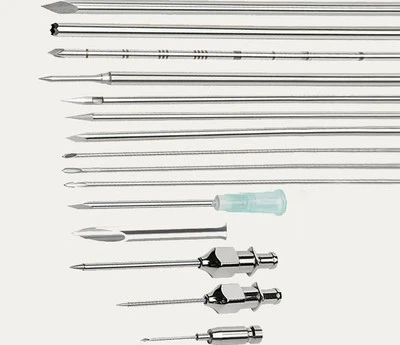
Intellectual Property and Process Barriers: A dense network of patents covers everything from the energy field design of the needle tip and electrode insulation processes to the intelligent algorithms for energy delivery. Its manufacturing involves ultra-precision machining, micron-level electropolishing, and stringent sterile cleanliness control, demanding extremely high production process and quality system standards.
III. Industry Chain Impact and the Path to Domestic Production
Impact on the Industry Chain:
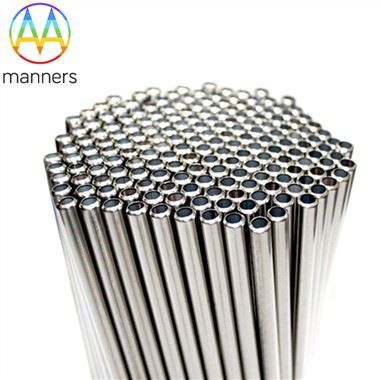
Upstream: Drives demand for medical-grade high-purity stainless steel, special insulating coating materials, and precision micro-connectors, fostering the development of high-end medical materials and precision processing industries.
Downstream Synergy: Forms strong synergistic effects with manufacturers of intracardiac echocardiography (ICE) and 3D electrophysiological mapping systems. Together, they promote the adoption of integrated "image-fusion-navigated precision intervention" solutions, raising the ceiling of procedural capabilities.
Challenges and Opportunities for Domestic Production:
Core Challenge: Lies in breaking through the "black box" of energy control algorithms and constructing a complete clinical validation system. This requires long-term R&D investment, close collaboration with top clinical centers, and navigating the powerful patent barriers of international giants.
Strategic Opportunities:
Clinical Need Insight: China's vast procedure volume provides fertile ground for clinical research and new product iteration. Optimizing products for anatomical characteristics specific to Chinese patients (e.g., variations in septal morphology) represents a point of differentiation.
Supply Chain and Cost Advantages: In precision manufacturing, Chinese enterprises like Manners Technology have demonstrated world-class processing capabilities, supplying key components to international brands. This accumulates invaluable experience for future domestic substitution of core components and even independent innovation of complete systems.
Policy and Reimbursement Environment: Against the backdrop of national policies encouraging innovation in high-end medical devices and reforming healthcare payment methods, domestically produced innovative products with significant clinical value and economic benefits (e.g., reducing hospital stay) are poised to gain policy support.
Conclusion
The market for RF transseptal needles is a competition about "defining the future standard of care." It is not merely a product competition but a comprehensive contest involving energy platform ecosystems, clinical evidence systems, and global expert networks. For Chinese enterprises, the path to domestic production cannot follow the simple imitation route. A viable pathway is: First, provide high-end manufacturing value to the global supply chain through international cooperation. Second, pursue original innovation or differentiated breakthroughs in core technologies like energy control algorithms. Finally, leverage China's rich clinical resources to conduct high-quality clinical research, gradually building their own product-evidence-expert ecosystem. The future of this market segment belongs to those enterprises that can perfectly integrate top-tier engineering manufacturing, profound clinical insight, and forward-looking business strategy.