How Tapered Shaver Blades Reshape The Philosophy Of Knee Arthroscopic Debridement
Apr 29, 2026
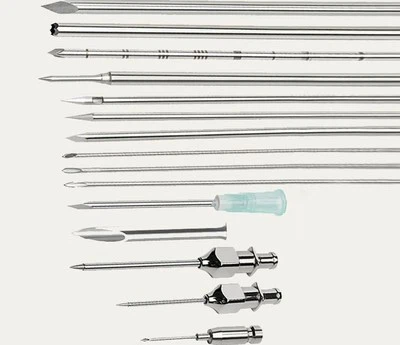
From "Irrigation" to "Debridement" - How Tapered Shaver Blades Reshape the Philosophy of Knee Arthroscopic Debridement
In the long-term disease management of degenerative disorders such as knee osteoarthritis (OA), the concept of "debridement" has always remained central. Traditional conservative joint cavity irrigation flushes inflammatory factors, cartilage debris and loose bodies with normal saline or ozone solution, reducing intra-articular inflammatory stress and optimizing synovial microenvironment. Widely adopted in pain management for its minimal invasion, repeatability and short-term symptomatic relief, conventional irrigation interrupts the vicious cycle linking inflammation and pain.
Nevertheless, with in-depth disease cognition and revolutionary advances in surgical instruments, arthroscopic debridement has emerged as a more thorough, proactive and biomechanically sound gold-standard procedure for early-to-moderate OA and various intra-articular lesions. The core instrument driving this philosophical upgrade is the arthroscopic tapered shaver blade. It marks the evolution of knee joint management from passive extensive irrigation to visualized, targeted and precise microscopic debridement.
I. Philosophical Upgrade: From Symptomatic Relief to Pathological Treatment
Conventional irrigation relies on dilution and drainage, with inherent limitations. It cannot address large adhesive or organized lesions, including hypertrophic synovial villi, frayed meniscal margins, incarcerated loose bodies and calcified deposits. It merely improves synovial fluid properties without eliminating the fundamental lesion source and internal structural disorders.
Arthroscopy combined with tapered powered shaving systems has thoroughly revolutionized debridement principles:
1. Visual Targeted Intervention: High-definition endoscopy enables panoramic visualization of the entire joint cavity. As precisely controlled miniature intelligent debriders, tapered shaver blades access confined spaces such as the intercondylar notch, suprapatellar bursa and posterior compartments to identify and resect pathological tissues.
2. Active Resection of Abnormal Structures: Hypertrophic synovium, the primary source of mechanical impingement and chemical inflammation, is radically resected via synovectomy rather than merely irrigated. Frayed meniscal edges are contoured to prevent secondary cartilage abrasion, and osteophytes are smoothed with tapered burrs for notch plasty.
3. Restorative Microenvironment Construction: The removal of devitalized tissues and inflammatory hubs creates a low-inflammation intra-articular microenvironment, stimulating endogenous repair and delivering more durable outcomes than simple irrigation.
II. Core Instrument: Functional Roles of Tapered Shaver Blades
In arthroscopic debridement, tapered shaver blades serve as versatile multi-functional instruments:
- Anti-Inflammatory Synovectomy (Weeding Instrument): Full-radius tapered shavers deliver high-efficiency, smooth resection of hyperemic hypertrophic synovium, fundamentally reducing inflammatory cytokine secretion. The tapered profile ensures flexible operation in peripatellar and recess spaces, while atraumatic smooth edges minimize accidental chondral injury.
- Meniscus & Cartilage Contouring (Precision File): Small-caliber meniscal trimmers refine unstable lacerated margins into stable transitional contours. Gentle debridement of softened fibrotic cartilage removes loose chondral flaps and facilitates fibrocartilage repair.
- Loose Body & Crystal Removal (Clean-Up Tool): Large loose bodies are fragmented and aspirated under direct visualization. Powerful integrated suction eliminates massive crystal deposition in gouty and pseudogouty arthritis, an effect unachievable by conventional irrigation.
- Combined Lesion Management (Multi-Purpose System): Integrated radiofrequency probes enable concurrent hemostasis and capsular shrinkage during debridement for comprehensive intra-articular stabilization.
III. In-Depth Clinical Application
Driven by tapered shaver technology, arthroscopic debridement delivers optimized intervention for multiple indications:
1. Knee Osteoarthritis (OA): Systematic arthroscopic management including synovectomy, loose body removal, chondroplasty and osteophytectomy, especially effective for patients with mechanical locking and catching symptoms.
2. Septic Arthritis: Thorough debridement of purulent exudate, necrotic synovium and fibrous septa with continuous postoperative lavage yields far superior outcomes compared with simple aspiration and irrigation.
3. Gout & Pseudogout: Acute arthroscopic crystal clearance rapidly alleviates severe pain and terminates inflammatory storms.
4. Symptomatic Meniscal Injury: Contouring and partial resection for irreparable degenerative meniscal tears eliminate mechanical irritation.
Conclusion
Empowered by tapered shaver blades, modern knee arthroscopic debridement has evolved from simple environmental irrigation to systematic structural reconstruction and radical lesion elimination. Treatment focus has shifted from symptomatic control of inflammatory exudate to etiological resection of pathological tissues. For early-to-moderate knee OA patients, it offers a minimally invasive, reliable and targeted therapeutic solution. Beyond an enhanced irrigation technique, arthroscopic debridement functions as an independent, engineering-backed minimally invasive surgical modality, achieving thorough intra-articular restoration through keyhole portals.