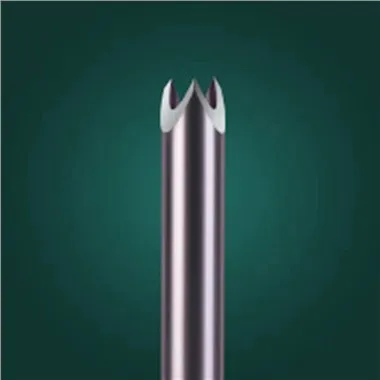
Blunt Tip Filter Needles Size And Cytotoxic Drug Handling Safety
Nov 01, 2026
1. Pain Points of Size-Related Hazards in Chemotherapy Compounding
Cytotoxic drug preparation carries unique risks for both patients and compounding staff. Wrong blunt tip filter needle size creates dual hazards: drug exposure for operators and dosing or particulate risks for patients. Oversized low-gauge needles deliver fast, uncontrolled flow, making it easy to generate aerosols and splashes when liquid surges through the filter. Cytotoxic aerosols can escape the hood and expose pharmacy workers to hazardous agents. Overly fine high-gauge needles create high suction resistance, forcing operators to pull the plunger hard. Sudden release of pressure can spray drug droplets. Length mismatch adds risk: excessively long needles are harder to stabilize inside the biological safety cabinet, increasing the chance of touching contaminated surfaces or splashing onto the cabinet interior. Many cytotoxic compounding rooms reuse the same universal size for chemotherapy and routine drugs, without considering aerosol generation and pressure fluctuation. Even with closed-system transfer devices, poorly sized filter needles create pressure spikes that compromise containment. The core pain point is that cytotoxic workflows require strict pressure control, and needle size is a key variable that governs fluid pressure and aerosol formation.
2. Mechanical Principle of Size and Pressure Dynamics for Hazardous Drugs
Blunt tip filter needle gauge sets inner lumen cross-sectional area and flow resistance. Wider lumens reduce pressure drop during aspiration, but rapid flow increases the risk of splashing and aerosol formation when the liquid hits the filter membrane. Narrow lumens build higher negative pressure inside the assembly; when suction is released, pressure rebound can eject droplets. Needle length defines fluid path resistance and operational stability. Longer shafts amplify pressure oscillation and are harder to control in the confined cabinet space. The built-in filter membrane intercepts particulates, but it cannot block cytotoxic aerosols generated by unstable flow. Custom lengths can be tailored to fit hazardous drug vials and reduce unnecessary shaft extension inside the cabinet. The blunt tip reduces needlestick injury risk, which is critical for hazardous drugs, but size controls pressure behavior that drives aerosol release. The stainless steel shaft provides chemical resistance for most cytotoxic formulations, and size tuning does not change material compatibility. The core principle is to select a size that maintains steady, low-turbulence flow without excessive pressure swing.
3. Classification of Blunt Tip Filter Needles Size for Cytotoxic Compounding
The 14G–27G size series is grouped by pressure and aerosol risk. Large high-flow group:14G–17G. Reserved only for large-volume, low-concentration cytotoxic admixtures where splash risk is mitigated by closed transfer systems. Not recommended for concentrated powder reconstitution. Balanced low-turbulence group:18G–22G. This is the primary safe range for most cytotoxic reconstitution and withdrawal. It balances manageable flow and pressure stability, minimizing aerosol formation. Fine precision low-flow group:23G–27G. Used for micro-dose cytotoxic preparations where dosing accuracy is paramount. Operators must avoid aggressive suction, as high negative pressure can trigger droplet ejection. Length grouping: short custom lengths are preferred for cytotoxic work; medium standard lengths are acceptable for standard vials; long custom lengths are generally restricted unless validated with closed transfer accessories. All sizes are sterile single-use filter needles for withdrawal or injection, packaged in standard cartons or custom traceable packs for hazardous drug inventory.
4. Cytotoxic-Specific Operational Guide for Size Selection
First, separate cytotoxic stock from routine IV stock. Concentrated chemotherapy vials and powder reconstitution use 18G–22G. Micro-dose cytotoxic prescriptions use 23G–27G. Large-volume dilute admixtures may use 14G–17G only with closed transfer systems. Second, prioritize short custom lengths to improve stability and reduce leverage inside the biological safety cabinet. Third, pull the plunger at an extremely slow, uniform rate. Avoid rapid pulls and sudden release, which create pressure spikes and aerosols. Fourth, watch the meniscus closely; if foaming appears, this signals turbulence, and a slightly wider gauge or shorter length should be tested. Fifth, never use the same blunt filter needle for multiple cytotoxic vials. After withdrawal, replace the filter needle with a dedicated chemotherapy injection needle before administration. Sixth, document size selection in the cytotoxic compounding log. Perform double-checks for high-risk agents, including size verification. Dispose of all components in designated cytotoxic waste containers.
5. Practical Experience from Oncology Pharmacy Compounding
Oncology pharmacy teams report that standardizing 18G short lengths for most cytotoxic reconstitution reduces visible splashing and aerosol incidents. Many facilities once used 16G for faster withdrawal, but quality audits noted higher contamination on cabinet surfaces. Staff training emphasizes that speed is secondary to containment in cytotoxic workflows. Fine 23G–25G sizes are used for low-volume targeted therapies, but operators must be trained to recognize high-resistance pressure rebound. Custom short lengths are highly favored for small cytotoxic vials, as long needles are difficult to stabilize and increase accidental contact risk. Inventory management stores cytotoxic filter needle sizes in dedicated labeled cabinets, isolated from general IV supplies. Even with ideal sizing, closed-system transfer devices and proper cabinet airflow are mandatory; size optimization reduces risk but cannot replace containment controls.
6. Summary of Hazard Control Value of Size Management
Size selection stabilizes fluid pressure and suppresses aerosol generation during cytotoxic drug preparation. Appropriate gauge and short matched lengths reduce splashes and pressure rebound, protecting pharmacy staff from hazardous drug exposure while maintaining particulate filtration for patients. This is a low-cost layer of control that integrates into existing biological safety cabinet protocols. The blunt tip reduces needlestick risk, and the filter removes particles; size controls the hidden pressure hazard unique to chemotherapy compounding. Ignoring size rules creates invisible occupational exposure risks that surface only in surface wipe sampling tests.
7. Prospect and Suggestions for Cytotoxic Size Guidelines
Manufacturers can launch cytotoxic-focused blunt tip filter needle kits with standardized short lengths and low-turbulence gauges. Medical institutions should embed size criteria into hazardous drug SOPs and wipe sampling audit checklists. Suppliers can provide custom short-length samples for oncology pharmacy validation. As occupational safety standards for hazardous drugs become stricter globally, size selection will be recognized as part of exposure control plans. Future industry guidance will specify preferred gauge and length ranges for cytotoxic reconstitution, balancing filtration, precision and aerosol containment.