What sequela can caesarean anesthesia needle leave?
Nov 23, 2022
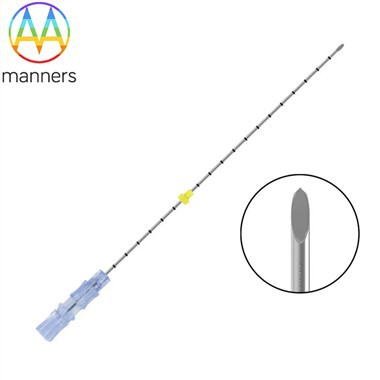
Second, spinal anesthesia combined with epidural block is widely used in cesarean section operation anesthesia, with advantages such as fewer drugs, short latency, and exact effect. Continuous epidural analgesia can be performed, and the lumbar anesthesia needle is very small, reducing the injury of epidural puncture. Therefore, the incidence of headache after spinal anesthesia is greatly reduced, and it is a relatively satisfactory anesthesia method in obstetrics department.
Third, epidural block is also a more commonly used anesthesia method for cesarean section, with exact analgesic effect and no inhibition of fetal respiratory circulation. The main complications were hypotension, tachycardia, collapse and syncope. The incidence of epidural puncture bleeding was about 6.4%.
Four, general anesthesia, can eliminate maternal tension and fear, anesthesia induction is rapid, low incidence of hypotension, maintain good ventilation, suitable for high mental tension, or combined with mental disorders, lumbar disease or infection (unable to puncture) of the maternal, the biggest disadvantage is easy to vomit or reflux to aspiration, or even death. In addition, the operation and management of general anesthesia are complicated, which requires the anesthesiologist to have the technical level and equipment conditions of general anesthesia. Too deep anesthesia can lead to respiratory and circulation depression of the newborn, which is difficult to ensure the safety of the mother and child, and the complications after anesthesia are often epidural block. Therefore, general anesthesia can only be used in obstetrics if there are contraindications for epidural or local infiltration.
Combined spinal anesthesia and epidural anesthesia, epidural anesthesia has a common feature, that is, epidural puncture and catheterization must be performed, while intraspinal puncture has a series of possible complications. Headache after spinal anesthesia is a common complication, the incidence rate is 3-30%, 85% of the patients will heal themselves within 5 days, and some of the time is longer. The incidence of nausea and vomiting was 13%-42% higher. Back pain, severe and rare complications, and complications during puncture such as bleeding, puncture injury, subarachnoid hemorrhage, chemical or bacterial contamination, spinal cord ischemia, anterior spinal artery embolization, spinal cord compression, cauda equina syndrome; Local anesthetic intoxication, abnormal extensive block, nerve damage, etc.