Subcutaneous Injection: How Much Do You Know?
Aug 08, 2024
What is a subcutaneous injection?
A subcutaneous injection involves injecting a small amount of medication or biological preparation into the subcutaneous tissue. Common injection sites include the lower edge of the deltoid muscle, the lateral upper arm, the abdomen, the back, or the outer thigh. Unlike intramuscular injections, the subcutaneous tissue does not have a rich blood supply, resulting in slower absorption of the medication. This slower absorption is beneficial when continuous drug uptake is needed, such as with insulin or heparin.

▲ Subcutaneous Injection
Choice of Injection Sites
Recommended subcutaneous injection sites include the side of the upper arm, the outer thigh, and the navel area of the abdomen. The back and waist can also be used.

▲ Injection Sites
Precautions
- Cleaning: Ensure there is no infection, skin damage, scars, birthmarks, bone protrusions, or large muscles, blood vessels, or nerves.
- Avoid Muscle Injection: Assess the amount of subcutaneous fat to prevent injecting medication into the muscle, as this can affect drug absorption.
When injecting, you can pinch the skin to lift it away from the muscle layer, reducing the risk of the needle accidentally entering the muscle.
Subcutaneous Injection Methods
One method is vertical insertion, and the other is angled insertion (at a 30° to 40° angle). Insert two-thirds of the needle quickly into the subcutaneous tissue. When injecting into limbs or the abdomen with less fat, pinching the skin is necessary.
Benefits of Pinching the Skin
- Pain Reduction: Minimizes or reduces pain, causing less discomfort for the patient.
- High Safety: Reduces the likelihood of injecting the medication into the muscle layer.
- Prevents Bleeding: Effectively prevents subcutaneous bleeding.

▲ Skin Pinching Technique
What Needle to Use for Injection?
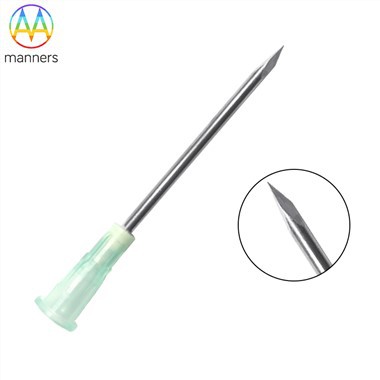
For subcutaneous injections, use safety needles to reduce the risk of needle-stick injuries. The needle size is measured by diameter, and 25G needles are typically used for subcutaneous injections. The size of the needle depends on the viscosity of the liquid. Needle lengths are usually 4-8 millimeters, long enough to inject the medication into the subcutaneous tissue.
Skin Preparation Before Injection
The use of alcohol-soaked swabs to clean the injection site is controversial. The World Health Organization recommends that if the patient's body is clean and in good health, swabbing the skin before injection is unnecessary. For elderly and immunocompromised patients, alcohol swabs are advised.
Procedure for Subcutaneous Injection
1. Choose the Injection Site: Disinfect the skin with 2% iodine tincture and 70% alcohol, and let it dry.
2. Prepare the Syringe: Draw the medication into the syringe and expel any air.
3. Perform the Injection:
- Use your left hand to stretch the skin tight and hold the syringe with your right hand. Fix the needle hub with your index finger, ensuring the needle bevel is facing up at a 30° to 40° angle. For thin individuals, pinch the injection site.
- Quickly insert two-thirds of the needle, release your left hand to fix the needle hub, aspirate to check for blood return, and then inject the medication.
4. Complete the Injection: Press the injection site lightly with a disinfected cotton swab and withdraw the needle quickly.
Precautions
- The needle insertion angle should not exceed 45 degrees to avoid muscle injection.
- Avoid using irritating medications for subcutaneous injections.
- Rotate injection sites frequently to avoid repeated injections at the same site.
- Use a 1ml syringe for injections less than 1ml to ensure accurate dosage.
Is Aspiration Necessary During Injection?
It is common practice to aspirate the syringe after needle insertion to check if the needle is in a blood vessel. This practice is not recommended for subcutaneous injections, as the subcutaneous tissue lacks major blood vessels, making accidental intravenous injection unlikely.
Should Gloves Be Worn During Injection?
The World Health Organization states that if the skin of both the healthcare worker and the patient is intact, gloves are not necessary. WHO also notes that gloves do not prevent needle-stick injuries. Nurses should assess the individual risk of each patient and be aware of local glove usage regulations.
Appropriate Injection Angle?
The angle for insulin injections should be adjusted according to specific circumstances, such as:
- A 4mm needle can be inserted vertically.
- For 6mm or longer needles, use a skin-pinch or 45° injection.
- Patients who have difficulty holding a 4mm insulin needle due to tremors or other obstacles can use longer needles.
When Are Subcutaneous Injections Needed?
- Rapid Drug Action or Non-oral Administration: Such as insulin or epinephrine.
- Local Anesthesia: Such as before surgical procedures.
- Vaccination: Such as measles, varicella, meningococcal polysaccharide vaccine, hepatitis A, Japanese encephalitis, rubella, and mumps vaccines.
How to Handle Subcutaneous Nodules?
Subcutaneous nodules can form due to repeated, multiple, or large-volume injections at the same site, high concentration or rapid injection of medication, uneven force, shallow injection, poor local blood circulation, slow drug absorption, or fibrous tissue proliferation after local infection. Clinically, they present as local swelling or noticeable nodules.
Prevention Methods
- Rotate Injection Sites: Avoid long-term injections at the same site and steer clear of scars, inflammation, or broken skin.
- Control Injection Volume and Speed: Generally, no more than 5ml; inject slowly and ensure the correct depth.
- Promote Absorption: For difficult-to-absorb medications, apply local heat or massage after injection to improve blood circulation and accelerate absorption.
- Strict Aseptic Technique: Use appropriate needles and master the injection technique.
- If nodules have already formed, avoid injecting at the site, apply local heat or massage, and use 50% magnesium sulfate hot compresses if necessary.
How to Handle Bent or Broken Needles?
Needle bending or breaking may result from needle quality issues, such as overly thin, soft, dull needles or those with hooks, injecting into areas with nodules or scars, improper body positioning, high local muscle tension, non-standard injection techniques, or mismatched needle sizes and depths.
Prevention Methods
- Choose quality needles.
- Select suitable injection sites, avoiding nodules and scars.
- Maintain a comfortable position to relax the muscles.
- Follow the standard procedure: Do not insert the entire needle into the skin. If bending occurs, identify the cause and use a new needle.
- Match needle size: Use smaller needles for thin patients and children and adjust the insertion depth.
- If the needle breaks, calm the patient, maintain their position, and quickly remove the broken needle with forceps. If removal is not possible, seek medical attention immediately.
Conclusion
Subcutaneous injection, as a common method of drug administration, requires mastering the correct procedures and precautions to ensure medication safety and efficacy. Following the above steps and precautions can help you perform subcutaneous injections safely and effectively, maximizing drug efficacy and protecting your health.