

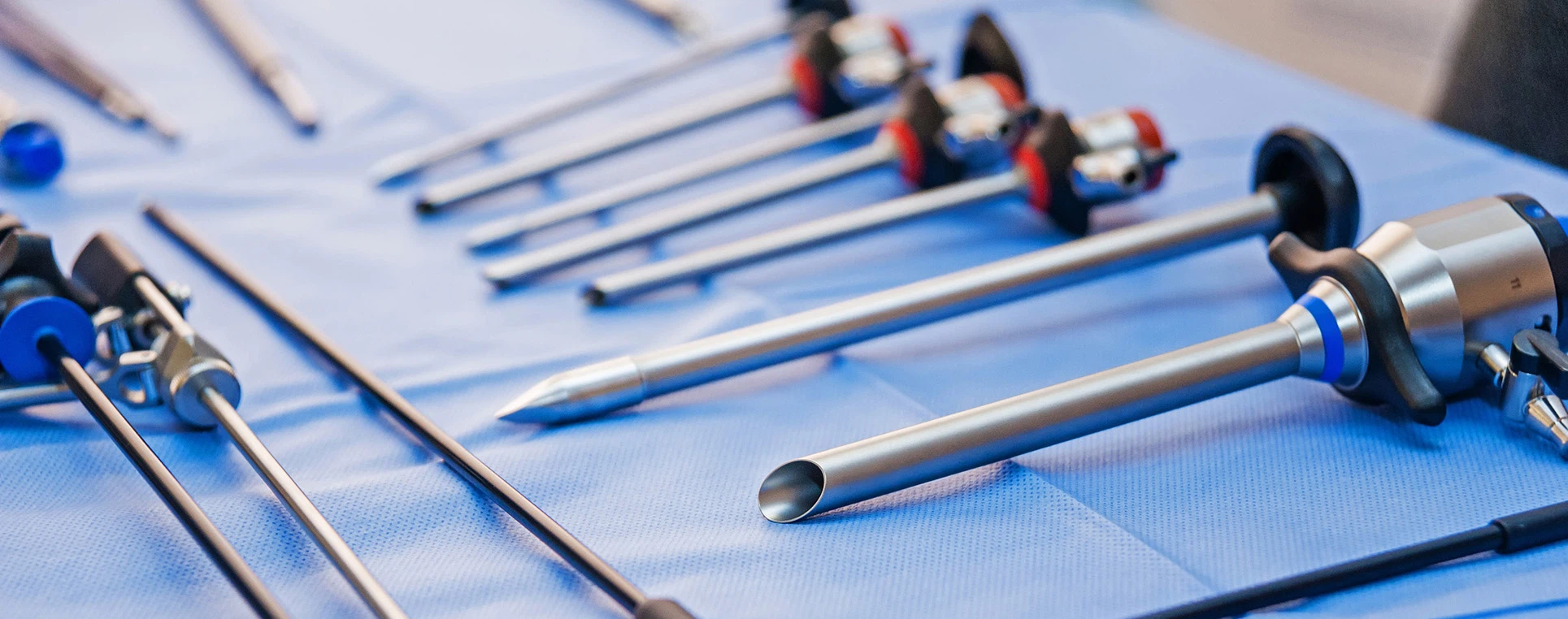


Thin Wall Stainless Steel Capillary Tubing
Product Specification Product Show Stainless steel capillary is called stainless steel, mainly because it has good corrosion resistance, can prevent its rust, so that it can be used in various acid and alkali environment. Especially with the continuous development of stainless steel production...
Description
Product Specification
Product name | Thin wall stainless steel capillary tubing |
material | Stainless steel 304, Stainless steel 316, etc. |
Surface Treatment | Anodizing, Sandblasting, Painting, Powder coating, Plating, Silk Printing, Brushing, Polishing, Laser Engraving |
Machining Option | Turning, grinding, milling, welding, bending, drilling, swaging, flaring, slot-cutting, stamping, deep-drawing, capping, beveling, etc. |
Tube Shape | Custom round, oval, square, rectangular |
Custom feature | According to your 2D/3D Drawing or sample provided |
Package | Standard carton or according to customer's requirement |
Certification | ISO9001:2015, SGS |
Product Show
Stainless steel capillary is called stainless steel, mainly because it has good corrosion resistance, can prevent its rust, so that it can be used in various acid and alkali environment. Especially with the continuous development of stainless steel production technology, stainless steel products in Our country rust rate is greatly reduced.
Although reducing the occurrence of rust, but does not mean that it will not occur, so what factors affect the occurrence of rust?
Factor 1: Corrosion of Chloride Ions Chloride ions are one of the most common examples of chlorine ions in nature. They are found everywhere: salt, sweat, sea water, soil, etc. Although stainless steel has good corrosion resistance, but in the presence of a large number of chloride ions in the environment, the corrosion performance will be relatively weak, thus rust phenomenon. Therefore, the use of stainless steel is environmental requirements, can not be used in the environment containing a large number of chloride ions.
Factors two: without solution treatment in general stainless steel in addition to contain carbon elements, there are other metal alloy elements. At present, stainless steel among more alloy elements nickel, manganese, chromium and so on. The increase of these metal elements will improve the performance of stainless steel, but if the solution treatment is not carried out, the alloy content of the matrix is low, the corrosion resistance is poor, and it will be corroded by the corrosion factors in the environment.
Factor three: innate intergranular corrosion Materials that do not contain titanium and niobium tend to have intergranular corrosion. At present, the vast majority of stainless steel materials in our country did not add titanium and niobium. While the surface of the stainless steel is not likely to corrode, the inside is beginning to corrode. At the same time, some behaviors, such as welding, will accelerate the intergranular corrosion. As long as you deal with these factors well, you can reduce the occurrence of rust.


Our Factory


 Thin wall stainless steel capillary tubing

Hot Tags: thin wall stainless steel capillary tubing, China, suppliers, manufacturers, factory, customized, custom, cheap, low price, made in China


