Want To Know About Cholangiography?
Dec 12, 2022
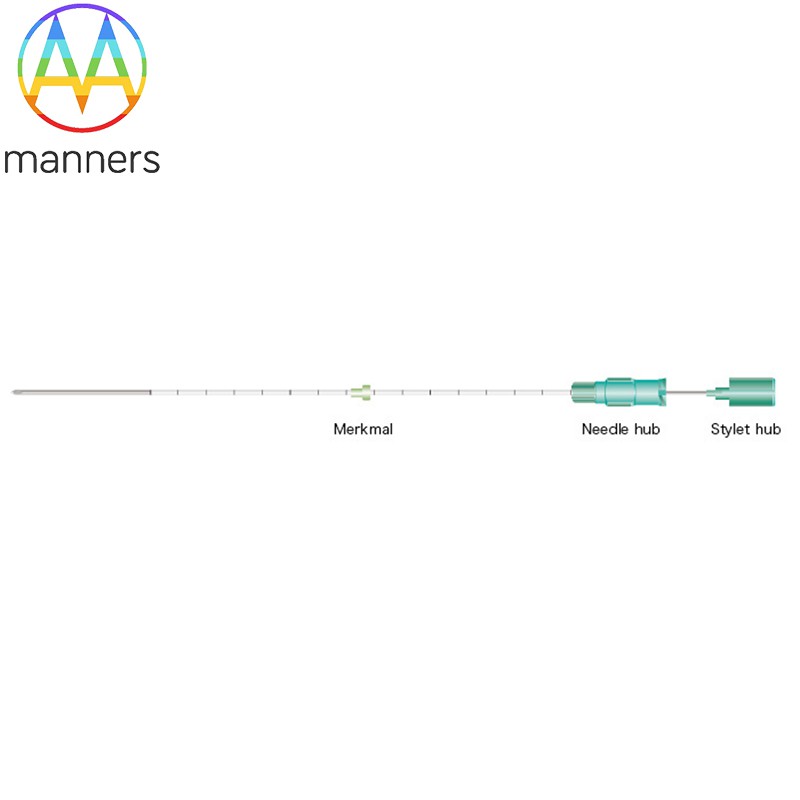
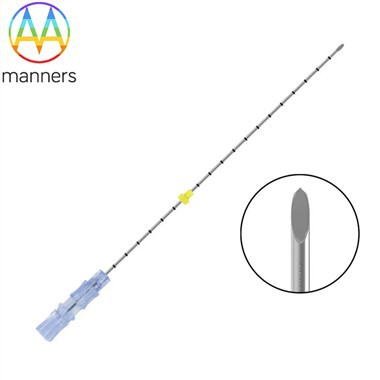
Cholangiography mainly uses various methods, such as ERCP through ampulla, PDCD through puncture tube, T tube drainage through T tube to inject contrast agent into the bile duct. After the contrast agent is injected on the X-ray film, the contrast agent will develop, fill the entire bile duct tree system, and the biliary tract will develop.
At this time, it can effectively determine whether there are corresponding filling defects in the bile duct, so as to determine whether there are corresponding lesions, such as bile duct stones, bile duct tumors, abnormal bile duct stenosis, etc., and further determine whether there are corresponding diseases. It can also further determine whether the ampullary opening at the lower end of the common bile duct has stenosis and obstruction, such as whether the biliary contrast agent can pass down to the duodenum. To determine whether the lower bile duct is open.
There are many methods of cholangiography, generally divided into excretory cholangiography and direct cholangiography two categories. Excretory cholangiography: Cholangiography is the use of oral or intravenous contrast agent (the use of the contrast agent for the liver cells to take and drain into the biliary tract principle). This imaging method is suitable for patients with normal organ function and no complications. The commonly used methods include oral cholecystography, intravenous cholangiography (conventional venography and intravenous venography), and combined oral and intravenous cholangiography. Direct cholangiography: The contrast agent is directly injected into the biliary tract through various ways for photography. The commonly used methods in clinical practice are: percutaneous cholangiography, retrograde cholangiography under endoscope, laparoscopic cholangiography, surgical cholangiography (intraoperative cholangiography, postoperative cholangiography), etc. The advantage of this type of angiography is that the contrast agent is directly at the lesion site, and the angiography effect is relatively ideal. It can clearly show the direction of the internal and external liver biliary tract, abnormal or narrow tube diameter, occlusions, biliary tract tumors, and gallstones. Endoscope can be used for direct observation and retrograde angiography, can be quite clear in the vicinity of the ampulla, but also directly bile or duodenum biopsy lesions.