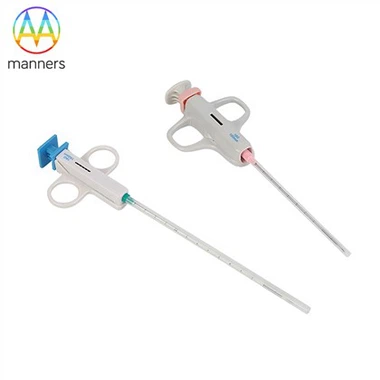
The Art Of Clinical Application: Procedures, Indications And Risk Management Of The Menghini Liver Biopsy Needle
May 19, 2026
In the diagnostic realm of hepatology, liver puncture biopsy is regarded as the gold standard, and the Menghini liver biopsy needle serves as one of the key instruments for performing this standard procedure. Its clinical application is an intricate art integrating anatomical knowledge, imaging guidance, procedural dexterity and risk prediction. Proper mastery of its indications, standardized operational workflows and effective complication management is essential to maximizing its diagnostic value and ensuring patient safety.
-
Core Indications: When Is This "Probe" Required?
- The Menghini needle is mainly used to obtain liver tissue for pathological examination. Its primary indications include:
- Liver diseases of unknown etiology: For patients with persistently abnormal liver function of unclear cause, biopsy is critical for definitive diagnosis of conditions such as autoimmune hepatitis, primary biliary cholangitis, and non‑alcoholic steatohepatitis (NASH).
- Grading and staging of chronic viral hepatitis: Assessment of hepatic inflammatory activity (grading) and fibrosis severity (staging) in hepatitis B or C to guide antiviral therapy decisions and prognostic evaluation.
- Alcoholic or non‑alcoholic fatty liver disease: Confirmation of diagnosis and evaluation of steatosis, inflammation and fibrosis severity.
- Liver transplantation assessment: Evaluation of donor liver quality pre‑transplantation, and post‑transplant monitoring of rejection, viral recurrence or drug‑induced liver injury.
- Focal hepatic lesions: Imaging‑guided puncture biopsy of suspicious liver masses to establish pathological diagnosis (e.g., differentiation of hepatocellular carcinoma, cholangiocarcinoma and metastatic tumors).
- Therapeutic efficacy evaluation: Assessment of histological improvement following pharmacotherapy such as anti‑fibrotic treatment.
- Hereditary metabolic liver diseases: Quantitative analysis (e.g., hepatic copper and iron levels) via biopsy for conditions including Wilson's disease and hemochromatosis.
Operational Workflow: Standardized Steps for Safety
Modern liver biopsy is performed under real‑time imaging guidance (predominantly ultrasound, rarely CT), which greatly improves safety and accuracy. Taking ultrasound‑guided percutaneous Menghini needle liver biopsy as an example, the standard workflow is as follows:
- Pre‑procedure evaluation and preparation: Complete coagulation tests (PT/INR, platelet count), routine blood tests and infection screening. Discontinue anticoagulant/antiplatelet medications. Obtain written informed consent from the patient. Patients are generally advised to fast for 4–6 hours pre‑operatively.
- Patient positioning and site localization: The patient lies supine or in the left lateral decubitus position with the right arm raised. Ultrasound scanning identifies the optimal puncture site, usually the 7th‑10th intercostal space along the right mid‑axillary line, avoiding the gallbladder, major blood vessels and lung tissue.
- Disinfection, anesthesia and puncture: Strict aseptic technique is followed, with local infiltration anesthesia administered down to the liver capsule. A small skin incision is made using a surgical blade. The Menghini needle (with stylet inserted) is rapidly advanced into subcutaneous tissue under guidance via an ultrasound probe guide slot or free‑hand technique.
- Specimen acquisition: The patient is instructed to hold their breath. Under real‑time ultrasound monitoring, the needle tip is quickly advanced to the surface of the liver capsule. The syringe plunger is rapidly withdrawn to a preset position (usually 10–20 mL) to generate and maintain negative pressure. While sustaining negative pressure, the needle is quickly inserted into the target liver region and immediately withdrawn. The entire process should be completed within 1–2 seconds.
- Specimen handling and post‑procedure observation: The tissue strip inside the cannula is gently extruded onto filter paper or into dedicated fixative for pathological examination. Post‑biopsy, the patient is required to stay on bed rest with local sandbag compression. Vital signs and abdominal status are closely monitored for several hours.
Prevention and Management of Complications
Although highly safe under ultrasound guidance, liver biopsy remains an invasive procedure with complication risks at an incidence of approximately 0.1%–1%. Major complications include:
- Pain: The most common adverse event, mostly mild localized pain at the puncture site. Adequate local anesthesia and post‑procedural analgesia enable effective management.
- Bleeding: The most severe complication, including intrahepatic hematoma, intra‑abdominal hemorrhage or hemobilia. Risk is associated with patient coagulation status, procedural technique and needle gauge (larger gauges such as 16G carry higher risk than 18G). Strict contraindication screening (e.g., severe coagulopathy, massive ascites), precise ultrasound guidance and use of appropriate‑gauge needles (e.g., finer 18G needles for high‑risk patients) are key preventive measures. Severe bleeding requires immediate blood transfusion, interventional embolization or even surgical intervention.
- Bile leakage: Rare but may induce biliary peritonitis.
- Infection: Extremely rare with strict aseptic technique.
- Pneumothorax or hemothorax: Caused by accidental injury to the pleura or lung from an overly high puncture site, avoidable via precise ultrasound localization.
- Needle‑track tumor seeding: Theoretically a risk when biopsying malignant tumors, yet the incidence is extremely low (<0.01%).
Clinical Advantages and Considerations of the Menghini Needle
Clinically favored by many physicians, the Menghini needle features rapid performance (completed with "one puncture and one aspiration") and a relatively short learning curve. Traditionally, its bleeding risk is considered slightly lower than that of cutting‑type needles due to less parenchymal tearing from the aspiration action, making it particularly suitable for evaluating diffuse liver diseases such as hepatitis and cirrhosis.
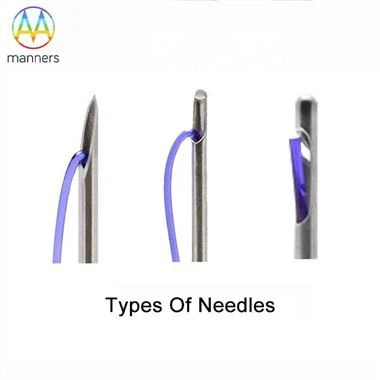
Nevertheless, some clinicians prefer Tru‑Cut needles for extremely hard late‑stage cirrhotic livers or focal masses, as they yield more intact tissue specimens with higher pathological diagnostic success rates. In fact, numerous clinical studies have demonstrated no significant differences in diagnostic accuracy or major complication rates between the two needle types when operated by experienced practitioners. Selection usually depends on individual physician preference, training background and specific clinical context.
Conclusion
Successful clinical application of the Menghini liver biopsy needle relies on rigorous patient selection, standardized image‑guided procedures, thorough understanding of complications and proficient technical skills. More than merely a tissue‑sampling tool, it serves as a bridge linking clinical practice and pathology to achieve precise diagnosis of liver diseases. With the widespread use of single‑use sterile needles and diverse, customized product options provided by manufacturers such as Manners Technology, clinicians can select the most suitable "instrument" for each patient to obtain critical diagnostic information with minimal risk.