Standing Firm: Wet Strength, Vibration, And The Shift-Resistance Of A Good Dot
Oct 15, 2026
The Pain Point A dot that is placed well but does not hold is a silent failure. In circuit-board assembly, components face relentless mechanical stress-board movement, vibration, thermal cycling-and the adhesive that fixes them must resist it before it cures. If the wet strength is insufficient, the component shifts, the placement drifts, and a seemingly good assembly fails. The pain is that wet strength is invisible at the moment of dispensing. The operator sees a dot placed correctly and moves on, unaware that the adhesive's grip is too weak to resist the next vibration. The result is displacement failures that surface later, in reflow, in testing, or in the field-each one a part that was trusted and then betrayed by a dot that did not hold.
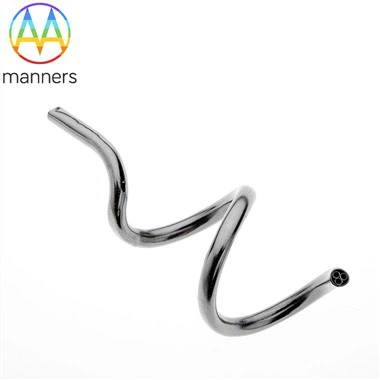
How It Works Wet strength is the adhesive's grip before curing-the force that fixes a component in place and resists board movement or vibration, preventing displacement. It is determined by the interplay of the adhesive's viscosity at the moment of placement, the contact area it covers, and the mechanical forces acting on the component. The governing relationship is simple: the shift force on a component equals its mass times its acceleration; the resisting force is the wet strength of the glue multiplied by the contact area. For the dot to hold, the resisting force must exceed the shift force. This is where the high precision dispensing stainless steel needle matters: it controls the shape and coverage of the dot. A properly shaped, well-placed dot maximizes the contact area between adhesive and component, converting the material's wet strength into a reliable hold. The needle's tapered tip and controlled geometry determine whether the dot spreads to the right footprint or lands as an inadequate speck.
Device Classification The shift-resistance system is classified by the elements that determine whether a dot holds. The adhesive itself sets the wet strength-its chemistry and its viscosity at placement, governed by temperature. The component and the board set the shift force-mass and acceleration. The dispensing needle sets the contact area-how the dot is shaped and placed. Within the needle family, inside diameter and taper control the dot's size and footprint: a dot too small under-covers the component and cannot resist the shift force; a dot correctly shaped covers the bonding surface and locks the component in place. The material grade and finish ensure the dot is delivered cleanly and fully. The classification is about engineering the contact: matching bore and taper to the component size and the adhesive so that the wet strength has enough area to do its job.
Practical Guide Design the dot for the force it must resist. Estimate the shift force from the component's mass and the expected acceleration-this sets the minimum wet-strength requirement. Then choose the needle that gives the dot the contact area to meet it: match the bore and taper to the component footprint so the dot covers the bonding surface without excess or shortfall. Verify the adhesive is at the right temperature and viscosity at placement, because wet strength depends on it. Do a displacement test-place a component, apply the expected vibration or force, and confirm it does not shift-before trusting the process. Watch for the failure signatures: a component that drifts under test means the contact area or wet strength is insufficient; a dot that wets poorly means the temperature or surface is wrong. The discipline is to design and verify the dot's holding force, not just its placement.
Field Experience Lines that engineer the dot for holding see the displacement failures leave. A PCB assembly line dispensing chip-fix adhesive matched the dot footprint to the component and verified it against a vibration test, eliminating the shift failures that had been surfacing in reflow. An electronics manufacturer found that a properly shaped dot gave the wet strength to hold components through board handling, where an under-sized dot had allowed drift. A medical assembly reported that controlling the contact area through the needle geometry made the bond predictable. The common lesson is that a dot must hold, not just land. When the contact area is engineered to resist the shift force, the component stays firm and the assembly survives the motion it will face.
Reflection Shift-resistance is a reminder that a dot's job is to hold, not merely to appear. The operator's eye sees placement; the process's success depends on grip. The wet-strength relationship-force in, contact area out-turns a qualitative concern into an engineering equation. The needle is the tool that resolves that equation: it shapes the contact area that converts the adhesive's strength into a hold. This is the deeper meaning of precision dispensing-not just a well-placed dot, but a dot that does its mechanical job. Engineering the grip is engineering the reliability of the assembly.
Outlook As electronics densify and see more vibration-automotive, aerospace, portable devices-the holding function of the dot will become more critical. Expect dispensing parameters to be specified with the shift-force relationship in mind, and needles chosen by the contact area they can deliver. Expect closed-loop systems to verify dot coverage against the component footprint in real time. For buyers, the forward-looking advice is to design the dot for the force, not just the look-match the needle to the component and the wet-strength requirement. In the fight against displacement, the stainless needle is the tool that gives a good adhesive the area it needs to hold firm.