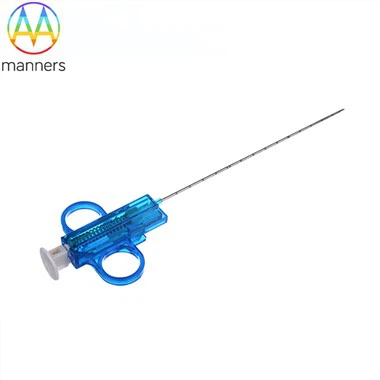
Procurement Strategy For Intraosseous Needles Size Portfolio
Jul 30, 2026
Balancing Inventory Cost Against Clinical Readiness
https://www.sciencedirect.com/topics/nursing-and-health-professions/intraosseous-needle
Hospital supply chain managers face a perennial dilemma when stocking intraosseous needles: how to balance fiscal responsibility with undeniable clinical necessity across diverse patient demographics. Unlike routine IV catheters, intraosseous devices serve emergent, unpredictable needs where delays prove fatal. Yet carrying excessive inventory of rarely used sizes-particularly the 4.5 cm bariatric needle-strains budgets and storage capacity. Developing a data-driven procurement strategy centered on intraosseous needle size optimization is therefore essential.
Begin by analyzing institutional patient mix. Pediatric hospitals naturally prioritize the 1.5 cm intraosseous needle, potentially allocating 60–70% of their IO inventory to this size. Conversely, Level I trauma centers and community hospitals serving broader populations require balanced distribution. Review historical usage data: How often are code blues called on patients exceeding 40 kg? What percentage of adult resuscitations involve obese individuals where landmarks are obscured? Many facilities discover they underutilize 4.5 cm needles yet overestimate demand for 2.5 cm devices in non-obese adults. Adjust par levels accordingly, recognizing that even infrequent need justifies stocking long needles given their lifesaving potential.
Engage clinical stakeholders early. Emergency physicians, anesthesiologists, and flight nurses possess invaluable frontline insights regarding intraosseous needle size preferences. Conduct joint rounds reviewing recent difficult airways or failed peripheral accesses. Discuss whether clinicians feel comfortable using 2.5 cm needles in obese adults when tibial tuberosities remain palpable-or if they consistently request longer alternatives. Such dialogue often reveals hidden biases favoring one size over another despite guideline recommendations. Incorporate this feedback into formulary decisions, ensuring chosen suppliers offer all three sizes with proven clinical acceptance.
Evaluate supplier capabilities beyond unit pricing. Can the manufacturer provide consistent availability of all intraosseous needle sizes without allocation delays? Do they support consignment models reducing upfront capital expenditure? Assess lead times for each size independently; some vendors may struggle to produce 1.5 cm needles at scale due to specialized handling requirements. Request evidence of batch-to-batch consistency, particularly regarding needle sharpness and hub integrity. A low-cost bid loses appeal if frequent replacements arise from bent tips or detached stylets during insertion attempts.
Consider total cost of ownership (TCO). While 4.5 cm needles typically carry higher unit costs due to increased material usage, their impact on overall expenses remains marginal if utilized sparingly. More significant are indirect costs stemming from insertion failures. A single failed attempt prolongs resuscitation, consumes additional devices, and increases complication risks. Therefore, investing in premium-quality intraosseous needles-regardless of size-that enhance first-attempt success rates yields measurable ROI through reduced waste and improved patient outcomes. Factor in training expenses too; suppliers offering complimentary in-service education on proper size selection and insertion technique deliver added value.
Implement smart inventory controls. Utilize barcode scanning systems tracking usage by intraosseous needle size in real time. Set automatic reorder points calibrated to consumption patterns rather than static minimum/maximum levels. Explore dual-sourcing strategies for commoditized sizes like 2.5 cm needles while maintaining a single qualified supplier for specialized 4.5 cm variants to preserve contractual leverage. Periodically audit expired stock; intraosseous needles generally enjoy multi-year shelf lives, but improper rotation leads to avoidable write-offs.
Finally, align procurement with emergency preparedness mandates. Accreditation bodies increasingly expect documented vascular access protocols inclusive of intraosseous options. Ensure your facility's disaster cache includes ample supplies of all three sizes, recognizing that mass casualty incidents may overwhelm typical patient demographics. Collaborate with regional emergency management agencies to coordinate stockpiling efforts, potentially leveraging group purchasing organization (GPO) contracts for volume discounts. By adopting this multifaceted approach to intraosseous needle size procurement, healthcare organizations simultaneously optimize financial stewardship and clinical readiness-a dual achievement defining modern supply chain excellence.