Pathogenesis, Symptom Identification And Prevention Management Of Postoperative Infection After Core Needle Breast Biopsy
Jul 19, 2026
https://www.mayoclinic.org/tests-procedures/breast-biopsy/about/pac-20384812
Postoperative infection is a relatively uncommon yet harmful side effect of core needle breast biopsy, classified as an iatrogenic minimally invasive complication. Clinical statistics show overt infection develops in merely 0.1% to 0.3% of biopsy patients, predominantly presenting as mild local inflammatory reactions; severe suppurative or deep tissue infections are exceedingly rare. Advances in medical aseptic techniques and precision puncture devices have continuously suppressed infection risks, yet comprehensive understanding of infection triggers, early symptom recognition and full-cycle prevention protocols remains vital for safeguarding patient safety and reducing clinical disputes.
Post-biopsy mammary infection arises from the combined effect of exogenous pathogen invasion and weakened local immune defense. Puncture is an invasive procedure that creates micro-tract wounds breaking the skin's natural protective barrier. Inadequate preoperative skin disinfection, non-sterile biopsy equipment or improper postoperative wound care enable resident skin pathogens including Staphylococcus aureus and Streptococcus to penetrate the puncture tract and invade subcutaneous and glandular breast tissue, triggering inflammatory responses. Under normal physiological conditions, the human immune system neutralizes trace invading bacteria without symptomatic infection. However, patients who sweat heavily over the biopsy site, frequently touch the wound or expose it to water prematurely, or those with compromised immunity allow unrestricted bacterial proliferation that overwhelms local immune barriers and induces clinical infection.
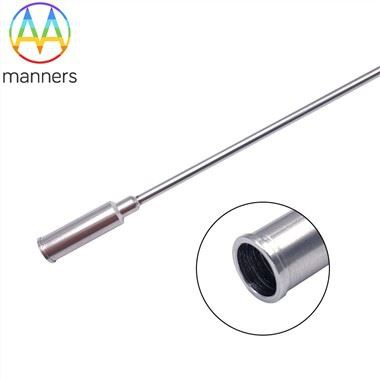
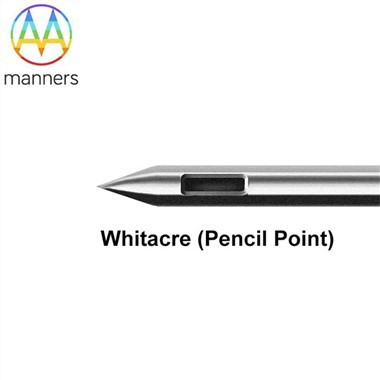
Biopsy needle quality and manufacturing processes act as critical hardware determinants of infection risk. Qualified medical breast biopsy needles are manufactured from corrosion-resistant 304 and 316 stainless steel with stable sterile properties, sterilized per unified industry standards before packaging. Their smooth, burr-free surfaces prevent irregular wound tearing and residual tissue debris that serve as bacterial breeding grounds. Integrated precision construction creates tight fitting between stylet and cannula with no gaps to trap contaminants, and echogenic marking etching does not damage the sterile surface coating, eliminating infection hazards at the equipment source. In contrast, inferior puncture needles contain material impurities, feature rough surfaces and often undergo incomplete sterilization; their penetration creates jagged wounds that sharply escalate postoperative infection probabilities, explaining the industry's strict enforcement of equipment qualification audits and compliant device procurement standards.
Post-biopsy infection exhibits staged clinical symptoms for straightforward self-inspection and clinical identification. Early mild infection manifests as erythema, local warmth and mild tenderness surrounding the puncture site with no purulent discharge, occasionally accompanied by low-grade fever. Timely intervention resolves symptoms within two to three days. Progressive moderate infection brings intensified swelling and pain, minor purulent exudate at the wound and inflammatory breast nodules with persistent low-grade fever, controlled via oral anti-inflammatory medication and localized disinfection care. Severe deep tissue infection is extremely infrequent, characterized by extensive breast redness, severe throbbing pain, sustained high fever and potential mammary abscess formation requiring drainage and intravenous anti-inflammatory therapy with prolonged recovery cycles.
A multi-dimensional clinical prevention management system eliminates the vast majority of infection risks. Preoperatively, standardized full-area skin disinfection covers the puncture zone and surrounding tissue to eradicate surface pathogens; complete inspection of biopsy needle sterilization certificates and intact packaging blocks unqualified devices from clinical use. Intraoperatively, rigorous aseptic protocols including sterile draping and minimal procedure duration reduce wound exposure time. Postoperatively, patients receive standardized wound care guidance prohibiting water contact with the puncture site for 48 hours, mandating sustained dryness and cleanliness, and restricting swimming, saunas and frequent breast manipulation. Diabetic and immunocompromised high-risk patients may receive prophylactic mild anti-inflammatory medication to reinforce infection prevention. With standardized operation workflows and certified high-quality biopsy equipment, postoperative infection after core needle breast biopsy qualifies as a fully avoidable low-probability side effect.