Material Advantages Of Suction Irrigation Tubing: Analysis Of Medical Adaptability Of Stainless Steel
Aug 25, 2026
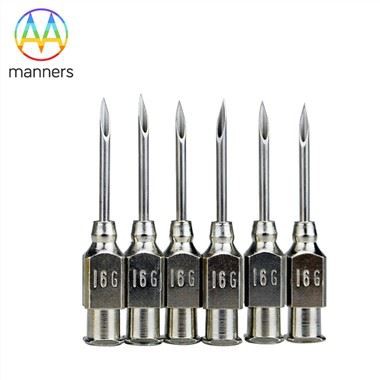
Suction irrigation tubing is a core medical device accessory widely used in minimally invasive surgery and abdominal cavity diagnosis and treatment. It fundamentally determines the safety and stability of intraoperative irrigation and fluid aspiration, and material selection serves as the core foundation of product quality. Currently, stainless steel is the mainstream base material for industrial suction irrigation tubing. Boasting excellent comprehensive properties, it has become the preferred material for medical pipelines, suitable for a full range of clinical surgeries and industrial precision irrigation scenarios, and acts as an indispensable basic accessory in the medical device industry.
The core advantages of medical-grade stainless steel are reflected in three key properties: corrosion resistance, wear resistance and high structural strength, which perfectly adapt to the harsh environment of medical diagnosis and treatment. During clinical operations, suction irrigation tubing is constantly exposed to normal saline, human body fluids, blood and various medical irrigation reagents. Ordinary metal materials are prone to oxidation and corrosion, which will cause pipeline blockage and liquid leakage, and produce metal impurities that may trigger medical risks such as patient infection and tissue irritation. In contrast, medically formulated stainless steel features stable chemical properties and outstanding acid and alkali resistance. It will not deteriorate after repeated contact with medical reagents and human tissues, eliminating potential safety hazards in diagnosis and treatment from the source.
Stainless steel suction irrigation tubing shows prominent superiority in wear resistance and structural stability. During surgical procedures, the pipeline undergoes frequent puncture, bending and clamping, while bearing the dual pressure of negative pressure aspiration and high-pressure irrigation. Low-quality tubing is susceptible to deformation, cracking and wall peeling. With high hardness and stable structure, stainless steel base material has excellent tensile and bending resistance. It can withstand repeated surgical operations and high-pressure working conditions without tube wall collapse or pipeline damage, ensuring continuous and stable irrigation and aspiration. In addition, its dense and smooth surface resists adhesion of blood stains, effusions and impurities, greatly reducing cleaning difficulties. It is compatible with high-temperature and high-pressure sterilization processes and can be reused in accordance with medical specifications, fully meeting the reuse standards of medical devices.
Compared with suction irrigation tubing made of plastic, silicone and other materials, stainless steel tubing delivers better medical adaptability. Silicone tubing is soft and suitable for minimally invasive scenarios yet prone to deformation under high-pressure irrigation, limiting aspiration flux. It also ages, yellows and breeds bacteria after long-term use. Ordinary plastic tubing lacks sufficient structural strength and corrosion resistance, making it incompetent for complex surgical scenarios. Stainless steel suction irrigation tubing balances rigidity and toughness, supporting precise puncture, deep effusion aspiration and large-scale abdominal cavity irrigation. It avoids material aging and harmful substance precipitation, providing higher safety performance.
High-quality industrial stainless steel suction irrigation tubing has passed ISO9001:2015 quality system certification and SGS testing, with material purity and performance indicators meeting medical-grade standards. Combined with refined surface treatment processes, its medical adaptability is further optimized to meet personalized needs of different departments and surgical procedures. With stable and reliable material performance, stainless steel suction irrigation tubing has become the mainstream choice for tertiary hospitals, medical aesthetic institutions and surgical diagnosis and treatment centers, promoting the standardized and high-quality development of medical irrigation and aspiration devices.