Low Dead Space And Medication Yield Optimization
Nov 03, 2026
The Hidden Cost of Dead Space
In the world of high-cost pharmaceuticals, every drop of medication matters. Yet traditional needle and syringe systems contain significant dead space-the volume of medication that remains in the needle hub and syringe tip after administration, unavailable to the patient. For expensive biologics, targeted therapies, and specialty medications, this dead space represents a significant financial loss. A medication that costs $1,000 per milliliter may lose $10 to $50 per dose to dead space, translating into thousands of dollars in annual waste for a busy pharmacy. Beyond the financial cost, dead space also has clinical implications. For pediatric patients and others requiring precise dosing, the loss of medication to dead space can result in under-dosing, compromising therapeutic efficacy. The pain point is multifaceted: dead space represents wasted money, compromised dosing accuracy, and reduced therapeutic benefit. The Innovation Hub Blunt Filter Needles address this challenge through an optimized hub design that minimizes dead space while maintaining essential filtration and connection functions.
The Engineering of Dead Space Reduction
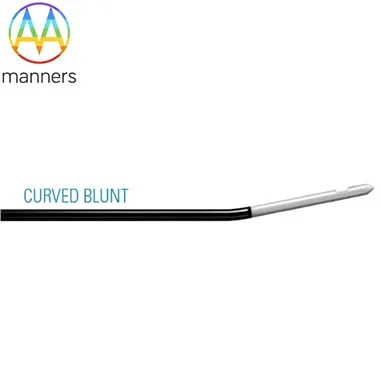
The dead space of a needle-syringe system is determined by the internal volume of the needle hub, the syringe tip, and any connection interfaces. The Innovation Hub Blunt Filter Needles are engineered to minimize this volume through several design strategies. First, the hub is designed with a minimal internal cavity that still accommodates the 5-micron filter membrane. The filter is positioned to maximize surface area while minimizing the volume of medication retained within the hub. Second, the Luer lock connection is designed with a minimal tip volume, ensuring that the connection interface does not contribute excessive dead space. Third, the needle lumen is designed with a smooth, consistent internal diameter that minimizes medication retention on the walls. The result is a needle system that provides essential filtration and connection functions while minimizing medication loss. The 45-degree blunt bevel also contributes to dead space reduction by minimizing the volume of medication retained at the needle tip. Unlike a sharp bevel that creates a narrow, high-retention tip, the blunt bevel creates a wider, lower-retention tip that allows more complete medication evacuation.
Device Selection for Yield Optimization
The Innovation Hub Blunt Filter Needles offer a range of gauge options that allow practitioners to optimize medication yield for different applications. For high-cost, small-volume medications, the 23G to 27G range provides fine control and minimal dead space, ensuring that the maximum amount of medication reaches the patient. These finer gauges are particularly suitable for pediatric dosing, where precise volume control is critical. For standard-volume medications, the 21G to 23G range provides a balance between flow rate and dead space, making them suitable for a wide range of applications. For high-volume medications, the 14G to 20G range provides efficient flow with acceptable dead space, making them suitable for bulk transfer and reconstitution. The standard 1.5-inch length accommodates most medication containers, while custom lengths are available for specialized applications. The selection of the appropriate gauge should be based on a comprehensive assessment of medication cost, volume requirements, viscosity, and the specific yield optimization goals of the facility.
Practical Protocol for Maximizing Medication Yield
Maximizing medication yield with Innovation Hub Blunt Filter Needles requires attention to technique at every step. The first step is proper device selection: choose the appropriate gauge based on medication cost, volume, and viscosity. For high-cost medications, smaller gauges with minimal dead space are preferred. The second step is proper priming: if the medication label allows, prime the needle with a small volume of medication or diluent to fill the dead space before aspiration. This ensures that the medication aspirated is the full intended volume, not reduced by dead space. The third step is careful aspiration: pull the plunger back slowly and steadily, ensuring that the medication flows through the filter without creating air bubbles. The fourth step is complete evacuation: after administration, draw back on the plunger slightly to pull any remaining medication from the needle hub into the syringe, then re-administer. This technique can recover a significant portion of the medication that would otherwise remain in the dead space. The fifth step is verification: after administration, inspect the needle hub for any visible medication retention. If significant retention is observed, consider using a smaller gauge or a different device configuration.
Field Experience and Yield Improvement
Healthcare facilities that have implemented dead space optimization strategies with Innovation Hub Blunt Filter Needles report significant improvements in medication yield. A hospital pharmacy in the United States reported a 15% reduction in medication waste for high-cost biologics after implementing a comprehensive yield optimization program that included the use of small-gauge blunt filter needles and proper priming techniques. The pharmacy estimated annual savings of approximately $120,000 from reduced medication waste. A specialty pharmacy in the United Kingdom reported similar benefits, noting that the combination of low-dead-space needle design and proper technique resulted in a 12% improvement in medication yield for expensive orphan drugs. The pharmacy also reported improved dosing accuracy, which they attributed to the reduced dead space and more complete medication evacuation. However, practitioners also reported important lessons. Priming techniques must be carefully managed to avoid introducing air bubbles or contaminating the medication. The use of smaller gauges for high-cost medications must be balanced against flow rate requirements for viscous formulations. The key lesson is that dead space optimization requires a comprehensive approach that includes device selection, technique, and workflow design.
Economic and Clinical Implications
The optimization of medication yield has significant economic and clinical implications. Reduced medication waste translates into direct cost savings, particularly for expensive biologics and specialty medications. Improved dosing accuracy translates into better therapeutic outcomes, as patients receive the full intended dose of their medications. Reduced dead space also has environmental implications, as less medication is discarded, reducing pharmaceutical waste in healthcare facilities. The economic case for dead space optimization is compelling: the savings from reduced medication waste can far outweigh the additional cost of specialized needle designs. A cost-benefit analysis conducted at a large oncology center found that the implementation of low-dead-space blunt filter needles resulted in annual savings of approximately $85,000, with a return on investment realized within the first six months of implementation.
Conclusion and Future Directions
The optimization of medication yield through low dead space design is a critical consideration in modern healthcare. The Innovation Hub Blunt Filter Needles address this challenge through an optimized hub design that minimizes medication retention while maintaining essential filtration and connection functions. The combination of appropriate gauge selection, proper technique, and comprehensive workflow design can significantly improve medication yield, reduce waste, and enhance therapeutic outcomes. Looking forward, we anticipate further innovations in dead space reduction. Measured dead space specifications on product datasheets will allow practitioners to make more informed device selections. Batch-level extractable testing will verify consistent dead space performance across production lots. Application-matched hub volumes will provide optimized configurations for different medication categories. As the healthcare industry continues to face increasing cost pressures, the optimization of medication yield will remain a critical priority.