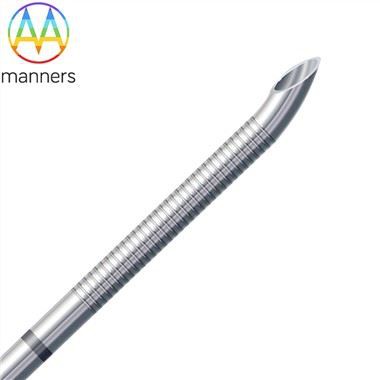
Lancet Body Is The Real Shield
Oct 17, 2026
The Pain: Cap Comes Off in the Pocket
A home-diabetes patient carries lancets in a jeans pocket. The protective cap loosens. The needle tip rides against fabric, collects lint, and later pierces the patient's thumb. No blood draw occurred, but a contaminated stick did.
The pain here is conceptual: people think the steel is the hazard and the plastic cap is packaging. In reality, the lancet body and cap are the primary infection-control components.
The pain extends beyond home users. In hospitals, loose caps create sharps hazards on trays, in drawers, and in laundry. In veterinary clinics, a loose cap can expose a handler to zoonotic pathogens. In laboratories, a loose cap can contaminate a work surface or a sample. The cap is not packaging; it is a safety device.
The Principle: Covering Body Controls the Sharp
The lancet body adapted to cover part or all of the tip converts a sharp into a managed object. When the puncture needle seats axially, the body maintains spatial relationship between skin, needle, and environment.
Protective cap arms wider than the holder opening create interference. Elastic deformation is not a defect; it is the locking mechanism. If the cap shaft is too short or arms too soft, the cap pops. If arms are too stiff, clinicians rip it off prematurely and leave the tip bare.
The principle is that the covering body is the primary barrier between the sharp and the world. The needle is dangerous only when it is exposed. The covering body determines when the needle is exposed and when it is contained. A well-designed covering body ensures that the needle is exposed only at the moment of puncture and contained at all other times.
The covering body also plays a role in depth control. The front face of the lancet body contacts the skin and limits the depth of penetration. A body with a longer front face creates a shallower puncture. A body with a shorter front face allows a deeper puncture. The body is not just a shield; it is a depth limiter.
Equipment Classification
- Partial-cover lancet bodies: tip shielded, sides open.
- Full-cover lancet bodies: tip and shoulder enclosed in elastomer.
- Rigid-cap lancets: PC/ABS cap, separate rubber seal.
- Elastic-body lancets: TPE/silicone tip seal, needle pierces and reseals.
- Seat-guided lancets: cylindrical needle seat controls axial return.
Each type offers a different balance of safety, convenience, and cost. A partial-cover body is simpler and cheaper but leaves part of the needle exposed. A full-cover body provides better protection but is more complex to manufacture. An elastic-body lancet reseals after use, providing continuous protection. A seat-guided lancet ensures precise axial movement.
Practical Guide
Audit cap retention force. Drop-test capped lancets. Verify arm spread greater than holder ID. Confirm the needle cannot re-emerge after return. Train patients: cap is part of the needle, not the wrapper.
For manufacturers, the practical guide includes material selection. The cap material must have the right balance of stiffness and elasticity. A material that is too stiff will not deform enough to lock. A material that is too soft will not provide enough retention force. The material must also be compatible with the sterilization method, whether EtO, gamma, or electron beam.
For clinicians, the practical guide includes inspection before use. The user should check that the cap is intact, that the arms are not deformed, and that the needle is not exposed. The user should discard any device that appears compromised.
Real-World Experience
A distributor recalled a low-cost lancet because caps detached at 0.6 N. Replacement caps with corrected arm angle survived 3 N pull and 1.5 m drop. Sharps incidents in home-care clients dropped noticeably within one quarter.
A hospital audited its lancet inventory and found that caps from one supplier consistently failed retention testing. The hospital switched suppliers and implemented a cap-retention test protocol. Within six months, needlestick incidents related to lancets fell by a third.
A home-care agency trained its patients on cap inspection and proper disposal. The agency reported fewer contaminated sticks and fewer emergency room visits for needlestick exposure.
The common thread is that the cap is a clinical component, not packaging. Institutions that treat it as such see better outcomes.
Summary
The steel pierces skin. The body protects everyone else.
Outlook & Suggestions
Tamper-evident caps, transparent bodies, and resealable elastomer tips will become baseline. Procurement should request cap-retention test reports the same way they request sharpness reports.
The next generation of lancet bodies may include color-changing materials that indicate when the device has been used. Some manufacturers are exploring caps with audible click-lock mechanisms that provide feedback to the user. Others are developing bodies with integrated sharps containers that allow immediate disposal. These innovations will make puncture needles safer and easier to use.