Intraosseous Infusion Needle — Powered Design For Controlled IO Access
Nov 22, 2026
Meta description: Learn how Intraosseous Infusion Needle with small power driver enables force-free, smooth medullary entry for emergency drug and fluid delivery.
Why Controlled Insertion Matters
Many traditional intraosseous devices demand significant manual force or sudden impact, raising risks of overshooting through the far cortex, bone splintering and inconsistent placement success. In chaotic emergency settings, inconsistent technique can delay treatment or cause avoidable complications. The Intraosseous Infusion Needle addresses this gap by pairing a specially designed cutting needle with a compact power driver. The core advantage is full operator control without raw force, enabling smooth, predictable entry into the bone medullary cavity.
Device Structure and Functional Design
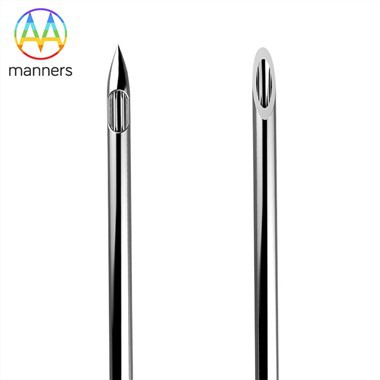
The complete solution includes the cutting IO needle assembly and a matching small power driver. The needle body uses medical stainless steel to maintain rigidity during cortical bone cutting while keeping biocompatibility. The cutting geometry is optimised to carve a clean channel rather than shatter bone. The power driver delivers steady, controllable driving force; the clinician retains command of the whole movement and can halt advancement instantly upon sensing marrow entry. Once properly positioned, the catheter acts as a stable pathway to the central circulation for medications, IV fluids and blood products for adults and paediatric patients.
Product Specification Overview
As an injection and puncture instrument, the standard offering is 15G, suitable for most adult resuscitation cases. Customisation is available based on customer 2D/3D engineering drawings or submitted samples. Buyers can adjust gauge, needle length, tip style and identification marking to fit paediatric, bariatric or special tactical medical programmes. Packaging options include standard bulk cartons or custom sterile packaging solutions to satisfy hospital inventory, field kit and local regulatory labelling demands.
Valid Clinical Indications
The primary indication is emergent vascular access when peripheral intravenous cannulation fails or cannot be attempted quickly. This covers cardiac arrest, severe hypovolaemic shock, sepsis, major burns, status epilepticus and other life-threatening emergencies. It can be deployed in both in-hospital critical care and out-of-hospital emergency response. Almost all commonly used emergency medications, crystalloids, colloids and blood products can be delivered through the intraosseous route per local clinical protocols.
Step-by-Step Operation Guidance
Clinicians first identify the appropriate anatomical landmark and perform skin antisepsis. Mount the selected Intraosseous Infusion Needle onto the power driver. Stabilise the limb and keep the needle aligned correctly toward the cortex. Activate the driver for smooth, controlled penetration. Stop immediately when the distinct "give" sensation signals entry into the medullary cavity, then remove the driver. Verify placement, secure the catheter and connect infusion lines. The workflow is intentionally simple to fit high-pressure resuscitation environments.
Comparison with Manual Intraosseous Needles
Manual IO needles depend on operator strength and rotary skill, and success rates vary widely between less experienced users. Powered systems like this Intraosseous Infusion Needle reduce physical effort and deliver more uniform cutting action. This improves consistency in thick adult bone and helps newer providers achieve successful placement faster. It still requires proper training: the power driver is an assisting tool, not a replacement for clinical judgement on site selection, contraindications and safety stopping points.
Common Pitfalls and Clinical Best Practices
Common mistakes include selecting the wrong needle length, inserting at an oblique angle, continuing advancement after resistance is lost and failing to monitor for extravasation. For paediatric patients, growth plate protection is a priority, so custom shorter or smaller-gauge options should be used. Staff should confirm driver function before deployment in field kits. Regular simulation training on bone models helps teams recognise the correct tactile feedback and build muscle memory for emergency use.
Future Development Trend
Manufacturers keep refining the power driver ergonomics and needle cutting profiles to lower insertion torque and improve safety feedback. Customisation will remain a key competitive service for global medical device buyers. With rising focus on pre-hospital emergency preparedness, Intraosseous Infusion Needle powered systems will keep growing as a trusted, controlled alternative when standard intravenous access is unavailable.