Infection Control And Health Economics Analysis Of Breast Biopsy Needle Types
Jul 17, 2026
https://www.mayoclinic.org/tests-procedures/breast-biopsy/about/pac-20384812
In the field of medical device management, reusability versus single-use has always been a point of contention. This issue is particularly prominent regarding the choice of breast biopsy needle type. Different usage patterns of breast biopsy needle types not only concern infection risks but also involve hospital operating costs and environmental responsibilities.
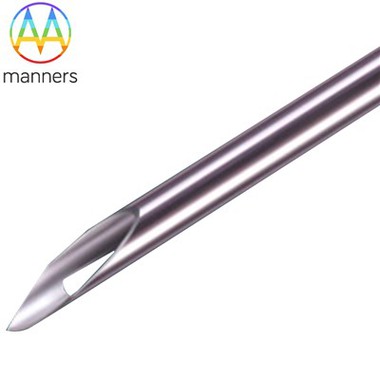
Single-use breast biopsy needles currently dominate the market. These products typically use medical-grade stainless steel needles with polymer handles, pre-packaged in sterile packaging, ready to use after opening, and destroyed after use. Their core advantage lies in zero risk of cross-infection. Because the biopsy process involves blood and tissue fluid, pathogens can easily remain in the needle cavity. Even with high-level sterilization, there is still a risk of persistent microorganisms such as prions and hepatitis B remaining. Disposable needles completely avoid this risk, perfectly meeting the high standards of current hospital infection control. Furthermore, disposable breast biopsy needles eliminate the need for cleaning, sterilization, and inventory management, significantly reducing nursing workload.
Reusable breast biopsy needles are more common in established hospitals or resource-limited areas. These needles are typically made of high-quality stainless steel or titanium alloy, designed for durability and easy disassembly. After use, they require multiple cumbersome processes including pretreatment, cleaning, enzyme washing, rinsing, drying, packaging, and sterilization. Although the cost per use is lower, hidden costs cannot be ignored: depreciation of sterilization equipment, labor costs, water and electricity consumption, and waste after disposal may result in a less advantageous overall cost. More importantly, with increased use, needle tip sharpness decreases and needle lumen roughness increases, directly affecting puncture performance and sample quality.
From a health economics perspective, decisions must comprehensively consider purchase costs, disposal costs, and risk costs. Studies show that when the purchase price of disposable breast biopsy needles is below a certain threshold, their overall cost is superior to reusable needles. As healthcare cost control efforts intensify, this critical point is steadily declining. Furthermore, disposable needles reduce surgical delays caused by instrument malfunctions, indirectly improving bed turnover rates.
Environmental factors cannot be ignored. Disposable breast biopsy needles generate significant amounts of medical waste, while reusable needles consume more water and chemical disinfectants. Some manufacturers have begun introducing recyclable designs, such as separating the metal needle tube from the plastic handle for separate recycling, attempting to find a balance between convenience and sustainability.
From a regulatory perspective, drug regulatory authorities in various countries are gradually tightening their management of reusable invasive medical devices. For example, the FDA has explicitly recommended that any invasive device with a disposable alternative should be prioritized for single use. This means that the market space for reusable breast biopsy needles will further shrink in the future.
For hospital administrators, establishing a scientific procurement evaluation model for breast biopsy needles is crucial. It's not just about economics, but also about safety and quality. For patients, disposable needles mean a more reassuring medical experience. Overall, driven by technological advancements and policy guidance, single-use breast biopsy needles have become an irreversible mainstream choice.