Industry Development Trends And Future Challenges
Apr 22, 2026
Nasal Surgical Electrode Needles + Manufacturers: Industry Development Trends and Future Challenges
The nasal surgical electrode needle industry is undergoing profound transformations, influenced by multiple factors such as technological innovation, policy adjustments, and shifting market demands. From a global perspective down to regional markets, and from technological evolution to clinical applications, the industry faces unprecedented opportunities and challenges.
Technological Innovation as the Core Driver
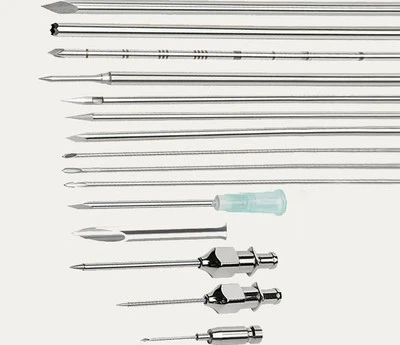
Technological innovation remains the core driverof industry development. The trends of minimally invasive surgery and precision medicine are steering nasal procedures toward greater refinement and safety. Traditional surgical instruments struggle to meet the demands for refinement and intelligence inherent in MIS; consequently, new-generation electrode needles are progressively evolving toward adjustable lengths, intelligent control, and multi-functional integration. Flexibility in electrode length design is a focal point of innovation; depending on the design, the length of the active electrode segment can extend from a few millimeters to several centimeters from the tip. This adjustability allows products to adapt to different surgical scenarios and anatomical structures. Simultaneously, advancements in material science endow electrode needles with better biocompatibility and electrical conductivity, enhancing both product lifespan and surgical outcomes.
Intelligence, Integration, and Market Structure
The future direction points toward intelligence and integration. Intelligent electrode systems can monitor parameters such as tissue impedance and temperature in real-time, automatically adjusting output power to prevent tissue carbonization and excessive damage. Integrated designs combine the electrode needle with endoscopes, navigation systems, and radiofrequency generators to form complete surgical solutions. These innovations not only improve precision and safety but also simplify operational workflows, reducing the learning curve for surgeons. Professional manufacturers are driving this trend through R&D investment and technical cooperation.
Regarding market structure, the global nasal surgical electrode needle market exhibits a diversified competitive landscape. International giants leverage brand recognition and technological accumulation to dominate the high-end market; specialized nasal instrument manufacturers build competitive advantages through product specialization; and local enterprises in emerging markets are expanding their share through cost advantages and localized services. In China, supported by domestic medical device policies, local companies are progressively achieving import substitution and building competitiveness internationally.
Expanding Applications and Regulatory Impact
The broadening scope of applications provides sustained momentum. The seven core areas-Endoscopic Sinus Surgery (ESS), general sinus surgery, turbinate reduction, septoplasty, nasal tumor ablation, radiofrequency surgery, and chronic rhinitis treatment-continue to deepen, providing space for product innovation and market growth.
The changing regulatory environment significantly impacts the industry. Stringent standards from the US FDA, EU MDR, and China's NMPA have raised market entry barriers, promoting industry standardization. Manufacturers must establish robust Quality Management Systems (QMS) to ensure compliance, which has become a core component of corporate competitiveness. Policies such as special approval procedures for innovative medical devices have accelerated the launch of novel products, creating market opportunities.
Cost Control, Sustainability, and Talent Cultivation
Cost control and healthcare accessibility are industry focal points. High-end nasal surgical electrode needles rely on precision manufacturing and premium materials, making them expensive and difficult for primary healthcare institutions to procure. Meanwhile, some low-end products suffer from severe homogenization and uneven quality. Under the backdrop of global healthcare cost containment, manufacturers must optimize cost structures without compromising quality. The popularization of single-use products, while increasing per-procedure costs, reduces reprocessing expenses and the risk of cross-contamination, potentially improving overall healthcare safety and efficiency.
Sustainability requirements are driving industry reform. Increased environmental awareness is pushing manufacturers to address energy consumption, waste disposal, and material recycling. Green manufacturing technologies are being adopted more widely. In talent development, the R&D, manufacturing, and application of these devices require multidisciplinary knowledge. Manufacturers are partnering with universities and clinical institutions to establish talent pools and technical innovation systems, providing essential support for industry growth.
Challenges and Opportunities in the Chinese Market
Future challenges include the rapid pace of technological updates, intense market competition, and strict regulatory requirements. With the advancement of regenerative medicine and smart technologies, continuous R&D investment is essential to maintain a technological edge. Product homogenization in a crowded market makes differentiation key to success.
In the Chinese market, unique opportunities abound. The advancement of the tiered diagnosis and treatment system and the improvement of primary healthcare capabilities will expand the demand for nasal minimally invasive surgeries at the grassroots level. Domestic manufacturers can leverage technological advancements and cost advantages to accelerate import substitution and build competitiveness in the international arena. Data from the first three quarters of 2025 indicates stable growth in China's ENT instrument market, with nasal surgical electrode needles showing broad market prospects as an important segment.
Conclusion
In summary, the nasal surgical electrode needle industry stands at a critical juncture of technological upgrading, market restructuring, and policy adjustment. Professional manufacturers must navigate multiple challenges, including material innovation, intelligent transformation, and cost control, while seizing opportunities presented by the popularization of minimally invasive surgery and the growth of emerging markets. Through sustained technological innovation, quality improvement, and market expansion, the nasal surgical electrode needle industry is poised for sustainable development, offering safer and more effective treatment options for patients worldwide.