Industrial Procurement Selection, Storage And Clinical Usage Specifications For Spinal Needles
Aug 02, 2026
Industry Guide by Professional Medical Device Manufacturer
The 16G-27G medical grade stainless steel spinal needle belongs to essential core medical consumables for medical institutions. Standardized procurement selection, warehouse storage, clinical application and waste disposal directly affect surgical safety, hospital infection control and consumable operation costs. With years of industrial experience, professional spinal needle manufacturers summarize comprehensive procurement skills, warehouse management standards, clinical precautions and waste disposal specifications combining product characteristics, industrial standards and practical clinical experience, providing all-round operational guidelines for medical institutions and distributors.
During procurement and selection, four core factors including qualification, gauge, craftsmanship and clinical adaptability should be prioritized. First of all, buyers must cooperate with qualified medical device manufacturers with complete quality control systems and accessible full test reports, avoiding uncertified inferior counterfeit products to prevent clinical safety risks and compliance violations. Secondly, select gauges according to department clinical scenarios: conventional anesthesiology surgeries prefer universal 18G-22G models; pediatric and geriatric departments prioritize minimally invasive ultra-fine 23G-27G needles; emergency and intensive care departments stock large-gauge 16G-19G needles for complex puncture cases. Meanwhile, select tip types according to surgical demands: Quincke Point for efficient routine puncture and Pencil Point for minimally invasive low-complication operations.
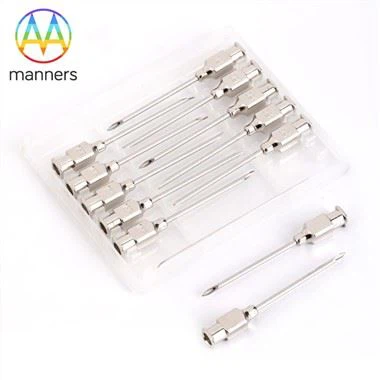
Inspect product craftsmanship during procurement. High-quality spinal needles feature smooth transparent shafts without scratches or burrs, clearly printed color codes, neatly ground tips and straight needle bodies. Sealed sterile packaging carries complete labels indicating gauge, batch number, sterilization date, expiry date and production qualification information. Buyers can select standard packaging or customized packaging according to procurement needs. Bulk orders can apply for customized exclusive packaging and graded sub-packaging via manufacturers to facilitate classified management in clinical departments and reduce consumable waste.
Warehouse storage must follow special specifications for sterile medical consumables. As single-use sterile invasive instruments, spinal needles shall be stored in dedicated dry, ventilated, shaded and clean warehouses complying with temperature and humidity standards for medical devices. Keep them away from high humidity, high temperature and corrosive environments to avoid shaft oxidation, packaging damage and failure of sterile performance. Classified zoning management is required for different gauges (16G-27G) and tip types with clear labels. Implement the "first in, first out" principle, regularly check expiry dates and clear expired, damaged or dampened products to prevent substandard goods from entering clinical use. Establish complete warehouse ledgers to realize traceability of inbound, outbound and consumed consumables.
Clinical application must comply strictly with puncture operation specifications based on anatomical puncture principles. Inspect packaging integrity, expiry date and shaft condition before use; never adopt expired, damaged or deteriorated products. Select proper gauges according to patient body type, disease and puncture position, follow standardized sequential puncture operations, judge puncture depth via ligament penetration feedback and avoid blind advancement that may cause tissue injury and spinal cord trauma. Maintain strict aseptic operation standards during usage to prevent cross-infection. Observe patient recovery after puncture and handle mild adverse reactions to reduce complication risks.
Waste disposal must comply with medical waste classification regulations. Used spinal needles fall into sharp hazardous medical waste. Random discarding, repeated usage and unauthorized disassembly are strictly prohibited. Immediately place used needles into dedicated sharps containers, conduct centralized collection and disposal following medical waste standards, implement strict hospital infection control requirements and prevent medical pollution and cross-infection. As professional manufacturers, we not only supply high-quality puncture needle products, but also deliver full industrial services covering selection guidance, warehouse management, clinical application and compliance disposal, helping medical institutions standardize consumable management, improve clinical diagnosis and treatment safety, cut operating costs and continuously provide premium consumable solutions for the healthcare sector.