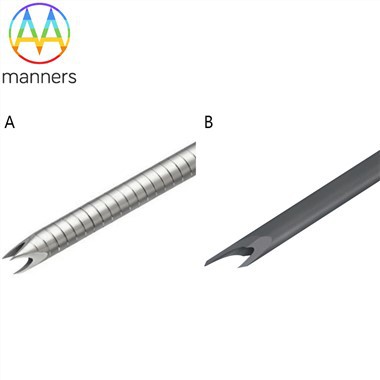
Indications Of Bone Marrow Puncture Needle
Dec 16, 2022
1. Identify and diagnose certain hematopoietic or non-hematopoietic diseases
Most of these diseases have characteristic cell morphological changes and bone marrow examination plays a decisive role in diagnosis. Such as all kinds of leukemia, malignant histiocytosis, multiple myeloma, bone metastatic cancer, aplastic anemia, megaloblastic anemia, typical iron deficiency anemia and so on. In addition, specific cells, such as tuberculous multinucleated giant cells, Hodgkin's disease cells or certain parasites, such as Plasmodium and kala-azar bodies, can also be identified.
2. Assist in the diagnosis of some hematopoietic diseases
Most of these diseases are based on changes in bone marrow hematopoietic function, and the diagnosis can only be made after comprehensive analysis of bone marrow examination results combined with other clinical data. Such as hemolytic anemia, thrombocytopenic purpura, myelodysplastic syndrome and so on.
3. Application as a differential diagnosis
In clinical cases of unexplained fever, lymph node, liver or spleen enlargement, bone pain or joint pain, bone marrow examination can help to identify whether it is caused by hematopoietic disease.
Bone marrow examination should be contraindicated in patients with severe bleeding due to coagulation factor deficiency, such as hemophilia.