Health Economic Evaluation And Infection Control Strategies For Breast Biopsy Core Needles
Jul 13, 2026
https://www.mayoclinic.org/tests-procedures/breast-biopsy/about/pac-20384812
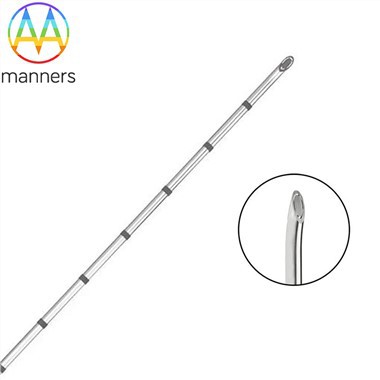
Under dual pressures of cost containment and stringent infection control, hospital administrators face a pivotal choice: procure single-use or invest in reusable breast biopsy core needles? This transcends simple price comparisons, representing a complex health economic equation involving lifecycle costing, infection risks, operational convenience, and regulatory compliance.
1. Cost Composition Analysis: Visible vs. Hidden Costs
Single-Use Core Needles:
Visible Costs:Higher unit price (typically ¥200–500 RMB / ~30–70USDdependingonbrand/gauge).Forahospitalperforming1,000biopsiesannually,consumableexpenditurerangesfrom¥200k–500kRMB( 30k–70k USD).
Hidden Costs:Minimal. Eliminates labor and depreciation costs for cleaning, sterilization, and quality control; removes expenses related to instrument loss, damage, or litigation from reprocessing failures.
Reusable Core Needles:
Visible Costs:High initial capital outlay (quality stainless steel biopsy guns with needles often exceed ¥5,000–10,000 RMB / ~$700–1,400 USD). However, per-procedure costs appear lower (amortized depreciation).
Hidden Costs:Substantial and often underestimated.
Reprocessing:Includes pre-cleaning, enzymatic washing, rinsing, drying, lubrication, packaging, and sterilization (steam or ETO). Studies suggest reprocessing costs range from 5–10% of the device's purchase price per cycle.
Attrition:Tip dulling, spring fatigue, and locking mechanism failure. Typical lifespan is 50–100 uses; frequent replacements inflate long-term costs.
Labor:Requires dedicated Central Sterile Supply Department (CSSD) personnel.
Turnaround Time:Sterilization cycles require 24–48 hours, potentially delaying emergency or add-on cases.
2. Infection Control: The Zero-Tolerance Threshold
This is the single greatest advantage of single-use devices.
- Bloodborne Pathogens: Hepatitis B (HBV), Hepatitis C (HCV), and HIV exhibit variable resistance to disinfectants. While validated sterilization kills these viruses, core biopsy needles are classified as lumened, intricate devices. Residual blood and tissue debris within the narrow canal are exceedingly difficult to remove completely. Reprocessing failures pose a tangible cross-contamination risk.
- Biofilm Formation: Incomplete cleaning allows bacterial biofilms to develop within the lumen. Standard sterilization often fails to penetrate these biofilms, creating persistent reservoirs of infection.
- Regulatory Trends: Evolving regulations (e.g., China's Medical Device Regulations) and heightened infection control standards increasingly restrict reusable invasive devices, particularly those with complex geometries impeding effective cleaning.
3. Performance Consistency and User Experience
- Sharpness: Single-use needles undergo rigorous sharpness testing pre-release; every insertion utilizes a pristine cutting edge. Reusable needles inevitably suffer microscopic tip roll-over and dulling after repeated firings and cleaning cycles. This increases insertion force, patient discomfort, and risks tissue crush artifact, potentially compromising the specimen.
- Firing Reliability: Spring mechanisms fatigue with use, diminishing firing force. Integrated single-use biopsy guns offer consistent, reliable performance with minimal malfunction rates.
4. Decision Models for Hospitals of Varying Scales
Large Tertiary Hospitals (>1,000 biopsies/year):
Recommendation:Transition fully to single-use. While consumable spending rises, savings in reprocessing labor, infrastructure, and eliminated liability far outweigh the differential. Aligns with JCI accreditation and best-practice infection control.
Exception:Retain limited high-end reusable units for specialized research or teaching.
Mid-Sized Secondary Hospitals (200–500 biopsies/year):
Recommendation:Hybrid Model. Utilize single-use needles for routine outpatient flow; reserve validated reusable needles for inpatients or research protocols. Crucially, implement robust SOPs (Standard Operating Procedures) and traceability systems for reprocessing.
Primary Care Clinics / Low Volume (<100 biopsies/year):
Recommendation:Prioritize single-use. Maintaining reusable inventory with low utilization risks equipment obsolescence and rust; single-use devices require no CSSD infrastructure, fitting resource-limited settings.
5. Environmental Impact and Waste Management
The drawback of single-use devices is medical waste generation, incurring disposal costs. However, a full lifecycle analysis reveals that reusable devices also carry significant environmental footprints through manufacturing, transportation, and resource-intensive reprocessing (water, energy, chemicals). Manufacturers are responding with recyclable packaging and eco-friendly polymers to mitigate this impact.
6. Conclusion
From a holistic health-economic and infection-control perspective, single-use breast biopsy core needles are becoming the dominant market choice. They reduce operational complexity and, most importantly, provide the highest tier of patient protection against nosocomial infections. Hospital administrators must look beyond unit pricing to calculate the Total Cost of Ownership (TCO), including hidden expenditures, while steadfastly prioritizing patient safety.