Global Echogenic Needle Market: Technology-Driven Competitive Landscape, Growth Drivers And Corporate Strategies
Apr 19, 2026
Global Echogenic Needle Market: Technology-Driven Competitive Landscape, Growth Drivers and Corporate Strategies
Core Product Terms: Ultrasound-Guided Devices Market, Interventional Radiology ConsumablesRepresentative Manufacturers: Cook Medical, Becton Dickinson (BD), PAJUNK GmbH, Argon Medical Devices, Medline Industries, Weigao Group
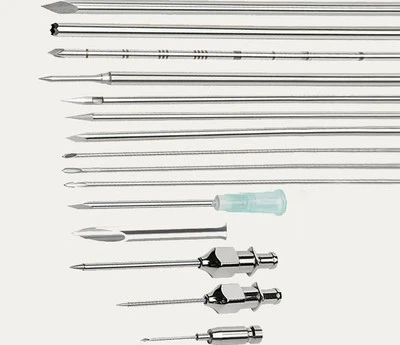
The echogenic needle market represents one of the most dynamic and high-growth segments within the global ultrasound-guided interventional device sector. Its development is directly propelled by the worldwide medical trend toward visualization, precision and minimally invasiveness. The market structure is distinctly featured by technology innovation as the leading force, with specialized manufacturers and diversified multinational giants coexisting and competing.
I. Core Drivers of Market Growth
Wider Adoption and Performance Improvement of Ultrasound EquipmentFalling prices of portable and high-performance color Doppler ultrasound systems have transformed such devices from radiology-dedicated equipment into "stethoscope-like" tools used across nearly all clinical departments, including anesthesiology, pain management, emergency medicine, ICUs and surgery. The expanding installed base of ultrasound machines has directly generated sustained demand for corresponding disposable consumables.
Promotion by Clinical Guidelines and StandardsClinical practice guidelines issued by numerous professional societies, such as the American Society of Regional Anesthesia and Pain Medicine (ASRA), explicitly recommend the routine use of ultrasound guidance for nerve blocks and vascular punctures whenever feasible, in order to improve safety and efficacy. This has established echogenic needles as a standard and essential product from a regulatory and clinical practice perspective.
Demand for Reduced Medical Costs and Clinical RisksImage-guided puncture significantly reduces complications including nerve injury, pneumothorax and hematoma, thereby shortening hospital stays, lowering reoperation rates and mitigating medical dispute risks. With remarkable health economic value, this drives hospital procurement decisions.
Healthcare Infrastructure Investment in Emerging MarketsRegions including China, India, Southeast Asia and Latin America have increased healthcare investment, constructing and upgrading operating rooms and equipping them with ultrasound devices, creating substantial incremental market demand.
II. Competitive Landscape: Multi-Tiered Structure and Differentiation
Market participants can be clearly divided into four tiers:
First Tier: Technology Leaders and Specialized Giants
PAJUNK GmbH (Germany)Regarded as a pioneer and benchmark in echogenic enhancement technology. Its SonoPlex series is renowned for superior ultrasound visibility based on advanced surface microstructuring, making it the top choice for many leading hospitals and experts, and setting a gold standard especially in regional anesthesia. Its strategy focuses on building high-end brand barriers through ultimate technical performance.
Cook MedicalAs a global leader in interventional radiology consumables, its EchoTip® brand covers a broad product portfolio ranging from biopsy needles to drainage catheters. Its advantages lie in comprehensive interventional solutions (needles, guidewires, catheters, drainage systems) and a strong global distribution network.
Second Tier: Diversified Medical Device Giants
Becton Dickinson (BD) and B. BraunBoth companies hold dominant positions in injection, infusion and anesthesiology fields. They integrate echogenic enhancement technology into their extensive existing product portfolios-such as BD's vascular access products and B. Braun's Stimuplex nerve block needles-and leverage their powerful channels and long-term customer relationships for market penetration, offering convenient one-stop procurement solutions.
Third Tier: Strong Challengers and Cost Leaders
Argon Medical DevicesAs a specialized interventional products company, it delivers competitive echogenic biopsy and drainage products through strategic acquisitions and continuous innovation.
Medline Industries and othersAs large medical distributors and manufacturers, they provide cost-effective basic echogenic needles, mainly serving price-sensitive low-to-mid-end markets and outpatient facilities.
Fourth Tier: Rapidly Emerging Players
Chinese Manufacturers (e.g., Weigao Group, Shanghai MicroPort)These enterprises are rapidly upgrading from conventional puncture needles to mid-to-high-end echogenic needles. Their core strategy is import substitution: relying on cost advantages, responsive local services and steadily improving product quality, they first capture the market of secondary hospitals and primary healthcare institutions in China, and gradually expand into overseas emerging markets.
III. Competitive Focus and Future Trends
Competition has moved beyond the mere presence of echogenic functionality to deeper levels of differentiation:
Technical Differentiation: Evolving from basic enhancement to intelligent enhancement. Examples include technologies that enhance echogenicity only at the needle tip, or designs that enable distinct visualization under specific imaging modes such as Doppler.
Accumulation of Clinical Evidence: Conducting head-to-head clinical studies to prove superiority in hard indicators including first-pass success rate, procedure duration and complication rate.
Ecosystem Construction: Collaborating with ultrasound system manufacturers such as GE, Philips and Siemens for compatibility optimization and even joint product development.
Expansion into New Application Scenarios: With deeper penetration of ultrasound in chronic pain management, tumor ablation and other fields, developing dedicated needles for these new procedures.
IV. Opportunities and Challenges for Chinese Manufacturers
Opportunities: Huge domestic market demand, supportive industrial policies and a relatively complete supply chain.Challenges: High technical brand loyalty toward premium manufacturers such as PAJUNK in high-end markets; gaps in long-term stability of coating materials and precision of microstructuring processes; and strict regulatory and certification barriers to entering the European and American markets.
In the future, Chinese enterprises that maintain sustained R&D investment, establish robust clinical evidence packages and achieve independent control over key manufacturing processes are expected to secure more important positions in the global market.