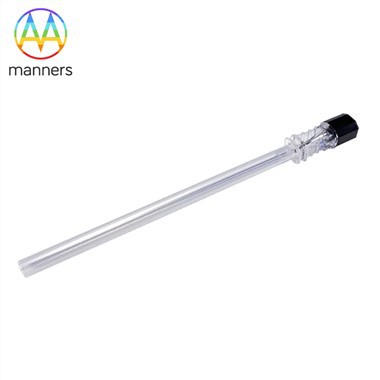
Disposable Lumbar Puncture Needle
Jan 20, 2023
use
Lumbar puncture can be used for both diagnosis and treatment. To perform this procedure safely and effectively, physicians need to understand the contraindications of lumbar puncture, the associated anatomy, and ways to minimize the risk of complications. Although a lumbar puncture is rarely dangerous, when it does occur, it can be serious and potentially life-threatening. Understanding the indications, contraindications and correct procedures of lumbar puncture can minimize the risk rate.
indication
A lumbar puncture is used to obtain a sample of cerebrospinal fluid (CSF) to help diagnose infections, inflammation, tumors, and metabolic processes. Therapeutic indications include the administration of chemotherapeutic drugs, antibiotics and anesthetics.
contraindication
The patient's position during lumbar puncture can affect the patient's cardiopulmonary function. Therefore, patients with some degree of cardiopulmonary dysfunction should avoid lumbar puncture. This procedure should also be avoided in patients with signs of cerebral herniation, patients with incipient cerebral herniation due to increased intracranial pressure, patients with potential for increased intracranial pressure, and patients with focal neurological symptoms. If the physician is concerned about performing a lumbar puncture, computerized tomography (CT) of the head should be performed before the procedure is initiated, but CT may not determine whether the patient has signs of elevated intracranial pressure. Coagulation disorders can increase the risk of spinal hematoma, but it is not clear to what extent coagulation disorders increase the risk of spinal hematoma. A lumbar puncture performed by an interventional radiologist using imaging techniques may increase the success rate of the procedure in patients who have previously undergone lumbar surgery.