Dimensional Adaptability And Surgical Matching Of Meniscus Repair Needles
Aug 17, 2026
Industry Pain Points Dimensional mismatch and poor surgical adaptability are common problems in the application of meniscus repair system needles. Many market products have single size and fixed bending angle, which cannot adapt to meniscus tears of different positions, sizes and degrees. Excessively thick needle bodies cause large tissue trauma during surgery, easily damaging normal cartilage and synovium; excessively thin needles have insufficient rigidity, easy bending and slipping during threading, affecting repair accuracy. Products with unreasonable length design cannot reach the deep posterior horn of the knee joint, resulting in incomplete repair of deep tears and high postoperative recurrence rate. For manufacturers, the lack of refined dimensional classification standards leads to disordered product specifications, making it difficult for medical institutions to select matching products quickly. In addition, the non-adjustable bending angle of most products cannot adapt to the complex curved anatomical structure of the knee joint, increasing the operation difficulty of surgeons and reducing surgical efficiency.
Working Principle Explanation The dimensional design of meniscus repair system needles follows the principle of human knee joint anatomical biomechanics and minimally invasive surgical trauma gradient. The diameter design of 0.5mm-2mm forms a precise trauma gradient: fine needles reduce tissue damage for minor delicate tears, while conventional thick needles ensure penetration stability for severe lacerations. The length range of 20mm-100mm covers the depth requirements of all knee joint repair positions: short needles adapt to superficial anterior horn and central body repair, and long needles meet the deep penetration needs of posterior horn and intra-articular deep tears. The customized bending angle design breaks through the limitation of straight needles, which can bypass the obstruction of femoral condyle and joint bone structure, accurately reach the blind area of traditional straight needle operation, and realize in-situ repair of complex posterior horn tears. All dimensional parameters are precisely calibrated by manufacturers according to clinical anatomical data, ensuring that the product size perfectly matches the knee joint structure of different age groups and different lesion degrees, realizing precise minimally invasive repair.
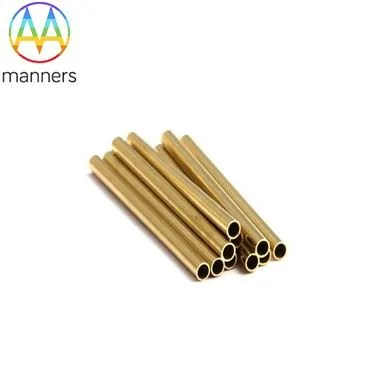
Equipment Classification by Dimensional Specifications Professional manufacturers realize full-scene coverage of surgical needs through refined dimensional classification of meniscus repair system needles. According to diameter classification: 0.5mm-0.8mm ultra-fine needles, suitable for adolescent meniscus minor tears, joint capsule delicate tissue repair and minimally invasive precise surgery; 0.8mm-1.5mm standard diameter needles, the most widely used specification, suitable for most adult traumatic meniscus tears and degenerative mild to moderate tears; 1.5mm-2mm thickened needles, with strong rigidity, suitable for severe lacerations, multi-layer tears and tough degenerative tissue repair. According to length classification: 20mm-50mm short needles for superficial anterior horn and central body repair; 50mm-80mm medium-length needles for conventional deep tissue repair; 80mm-100mm long needles for posterior horn deep cavity and complex revision surgery. According to shape classification: straight needles for conventional open and shallow arthroscopic surgery; custom bent-angle needles for complex deep and blind area repair.
Practical Operation Guide Surgeons need to select meniscus repair needles scientifically according to tear characteristics and manufacturer dimensional specifications. First, evaluate the tear location: select short straight needles for anterior horn tears, medium-length straight needles for central body tears, and long bent-angle needles for posterior horn tears. Second, judge the tear degree: use ultra-fine needles for minor fissure tears to minimize trauma, standard diameter needles for moderate lacerations, and thickened needles for severe irregular tears. Third, confirm patient age and physical condition: select ultra-fine needles for children and adolescents with delicate joint tissues, and standard or thickened needles for adults and elderly patients with tough degenerative tissues. During operation, strictly control the insertion depth according to needle length specifications, avoid over-penetration damaging subchondral bone, and adjust the bending angle in real time for bent needles to fit the joint curve. After operation, record the used needle specifications to provide reference for postoperative rehabilitation and reoperation.
Practical Industry Experience Clinical practical data proves that precise matching of needle dimensions and surgical scenarios is the key to improving surgical effect. Ultra-fine 0.5mm-0.8mm manufacturer standard needles can reduce intraoperative tissue trauma by more than 60% compared with traditional thick needles, effectively shortening postoperative recovery time and reducing joint adhesion probability. Long bent-angle customized needles solve the clinical pain point that posterior horn tears are difficult to repair, increasing the success rate of posterior horn complex tear repair by more than 30%. Manufacturers with refined dimensional classification systems can provide targeted product solutions for different hospitals and surgical levels, avoiding the waste of medical resources caused by blind product selection. In practical batch production, standardized dimensional calibration ensures product consistency, and customized dimensional services can meet the personalized needs of special cases, forming a complete product specification system covering conventional and special scenarios.
Summary and Sublimation Refined dimensional design and surgical matching are the core competitiveness of high-quality meniscus repair system needles. Professional manufacturers rely on in-depth clinical anatomical research to form a scientific dimensional specification system, which solves the problems of single specification, poor adaptability and low repair precision of traditional products. The gradient design of diameter, length and bending angle realizes precise matching with different tear positions, degrees and patient groups, maximizing the realization of minimally invasive, precise and efficient surgical repair. The standardized and customized dimensional system not only improves the clinical application value of products, but also provides a unified selection basis for medical institutions, promoting the standardized development of meniscus minimally invasive repair surgery.
Future Development Suggestions In the future, manufacturers should continue to optimize the dimensional specification system and surgical matching ability. First, establish a more refined dimensional gradient database according to age, gender and joint anatomical differences of patients, realize precise individualized product matching. Second, develop multi-angle adjustable integrated repair needles, break the limitation of fixed bending angle, and further improve the adaptability of complex surgery. Third, popularize the standardized matching guidelines of product dimensions and surgical scenarios, help medical staff quickly select appropriate specifications and improve surgical efficiency. Fourth, strengthen the precision control of customized dimensions, improve the accuracy of special-shaped product processing, and meet the repair needs of more complex and difficult meniscus lesions.