Definition Differentiation: Subcutaneous Injection Vs IV And Intramuscular Injection
Aug 19, 2026
https://en.wikipedia.org/wiki/Hypodermic
Pain Points The most prominent industry pain point is the blurred definition differentiation between subcutaneous injection, intravenous injection and intramuscular injection, resulting in disordered clinical medication routes. A large number of medical staff cannot accurately distinguish the anatomical targets, absorption mechanisms and applicable scenarios of the three injection modes, leading to random route replacement and non-standard needle selection. Using intramuscular injection instead of subcutaneous injection for vaccines and chronic maintenance drugs causes rapid drug absorption, excessive instantaneous immune stimulation and unstable blood concentration. Conversely, applying subcutaneous injection standards for emergency intravenous treatment delays disease intervention. Confused definition boundaries lead to inconsistent clinical treatment quality, frequent adverse reactions and waste of medical resources, seriously affecting the standardization of basic injection operations.
Working Principle The fundamental definition difference of the three core injection modes lies in tissue administration layer and drug absorption pathway. Medically, subcutaneous injection targets the subcutaneous adipose layer between dermis and muscle, relying on sparse subcutaneous capillaries to realize slow, uniform and sustained drug absorption, positioned for stable maintenance and preventive medication. Intramuscular injection delivers drugs into muscle tissue with dense blood vessels and fast blood flow, featuring rapid absorption and quick efficacy onset, suitable for acute symptomatic intervention. Intravenous injection directly inputs liquid medicine into blood circulation, achieving instant full-body drug effect, exclusively for emergency rescue and rapid fluid replacement. The definition of subcutaneous injection endows it with unique balanced advantages of low trauma and long-acting efficacy, forming a clear differentiated positioning in the parenteral medication system.
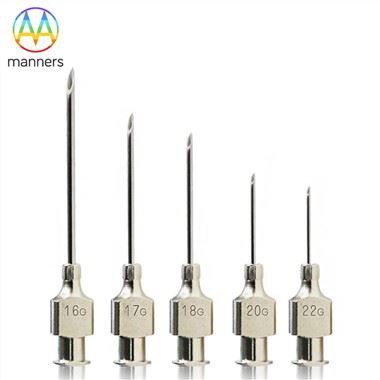
Equipment Classification Different injection definition attributes correspond to exclusive graded hypodermic needle matching systems. For standardized subcutaneous injection scenarios, fine, short and low-friction needles are preferred, including siliconized coated needles and disposable medical plastic needles to adapt to superficial shallow puncture and minimize subcutaneous tissue damage. For intramuscular injection requiring deep tissue delivery, high-rigidity stainless steel and nickel-chromium alloy needles are adopted to ensure strong penetration and stable deep puncture. For intravenous therapy requiring long-term indwelling and high-flow fluid delivery, smooth-lumen standard stainless steel needles are used. In addition, high-purity glass inert needles are specially used for subcutaneous precision biological agent injection, forming a complete scenario-based differentiated equipment system based on injection definition differences.
Practical Operation Guide Clinical injection selection and operation must be based on strict definition differentiation. For chronic disease maintenance medication, public health vaccination and low-dose biological agent treatment that require stable long-term efficacy, strictly implement subcutaneous injection standards: select low-friction fine needles, control 30–45 degree shallow puncture, and ensure drugs stay in subcutaneous adipose tissue. For acute diseases requiring rapid symptom relief, adopt intramuscular injection with high-penetration alloy or stainless steel needles. For critical emergency rescue and rapid electrolyte balance adjustment, implement intravenous injection with dedicated venous needles. Strictly distinguish operational core points: subcutaneous injection focuses on slow diffusion and induration prevention; intramuscular injection emphasizes deep penetration; intravenous injection highlights vascular positioning and unobstructed infusion, avoiding cross-confusion of operational norms caused by definition ambiguity.
Practical Experience Clinical differentiated application practice proves that clear definition boundary division improves the accuracy of basic injection medication by more than 95%. Standard subcutaneous injection completely avoids the blood concentration peak fluctuation and excessive immune reaction caused by muscle and vascular injection, maintaining stable therapeutic effect for chronic diseases and vaccines. Subcutaneous slow antigen release optimizes immune response quality and improves antibody persistence. In terms of safety and comfort, subcutaneous injection has the lowest local trauma and complication rate among the three injection modes, with the highest patient long-term medication compliance. Graded needle matching further strengthens the definition advantages of subcutaneous injection, forming an independent, standardized and efficient clinical medication system.
Summary and Sublimation The precise definition differentiation of subcutaneous injection clarifies its irreplaceable core positioning in the parenteral medication system, making up for the defects of rapid efficacy fluctuation of intravenous injection and high trauma of intramuscular injection. It builds a stable, safe and low-cost basic medication route for chronic maintenance and public health prevention. The matching of exclusive hypodermic needle equipment realizes the precise landing of subcutaneous injection definition attributes, promoting the refined and standardized development of clinical basic injection operations.
Future Suggestions Future clinical basic medication will further standardize injection definition classification and scenario matching. First, compile unified global operational guidelines for three major injection modes to clarify authoritative definition boundaries and applicable diseases. Second, develop exclusive specification series of hypodermic needles for subcutaneous injection to form professional equipment standards. Third, strengthen pre-job training on injection definition differentiation for grassroots medical staff to eliminate operational confusion. Fourth, build intelligent medication matching system to automatically recommend optimal injection routes and needle types based on drug attributes and patient conditions.