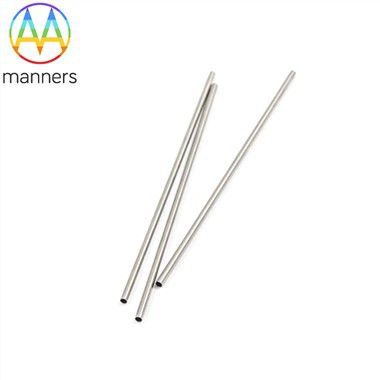
Custom Machining Of 16G–25G Hypodermic Poultry Veterinary Needles
Nov 05, 2026
1. Pain Points of Standard Needles Failing Automatic Poultry Injectors
Standard catalog 16G–25G poultry needles often cannot match the complex structure of high-speed automatic vaccination machines. Mismatched hub geometry, wrong luer connection size or improper bevel angle cause liquid backflow, leakage and needle dropping during continuous injection. Some special poultry vaccines, such as oil-based bivalent combined vaccines, require customized thin-wall tube structures to boost flow rate under fixed gauge outer diameter. Hatchery one-day-old chick subcutaneous injection needs ultra-short needle lengths, which are not available in standard stock. Many regional customers require unique hub color coding and gauge marking for quick on-site sorting. Conventional machining limits also create troubles: insufficient concentricity leads to needle shaking during high-pressure injection, tearing chick neck skin. In addition, farms with special disinfection workflows need customized surface treatment combinations. Communication barriers arise when buyers only have physical samples without formal engineering drawings, and factories cannot reproduce the exact structure. Poorly controlled custom machining may produce burrs, uneven wall thickness and unstable surface coating, raising poultry injury risk.
2. Machining and Customization Principle
16G–25G hypodermic poultry veterinary needles are manufactured from stainless steel through a full set of machining processes: turning, grinding, milling, welding, bending, drilling, swaging, flaring, slot-cutting, stamping, deep-drawing, capping and beveling. Each process can be adjusted in customized orders. The factory accepts two customization paths: customers provide 2D/3D drawings with tolerance, concentricity, bevel angle, hub size and surface treatment specifications; or customers send physical samples for reverse engineering measurement, drawing confirmation and mold development. All surface treatment options (anodizing, sandblasting, polishing, plating, laser engraving and others) can be combined in custom projects. ISO9001:2015 governs the whole machining quality control, and SGS can conduct material and coating safety tests for customized batches. Customization does not change the core gauge range of 16G–25G; it optimizes auxiliary structure, length, wall thickness and surface finish to fit special poultry injection scenarios. Packaging can be standard export cartons or customized blister packs, mixed-gauge boxes and private-label packs.
3. Classification of Custom Machining Items for Poultry Needles
Custom machining requirements are divided into four major categories for poultry applications. First, tube and tip customization: adjust needle length, single/double bevel angle, thin-wall design, concentricity tolerance and bending shape. This is widely used for hatchery chick injection and special breast puncture. All 16G–25G gauges support thin-wall modification to increase inner flow diameter without changing outer gauge marking. Second, hub and connection customization: luer slip, luer lock, non-standard hub diameter, anti-drop groove, anti-slip texture and color coating. This solves the matching problem of different automatic poultry injectors. Third, surface and marking customization: select polishing, plating, anodizing, laser engraving or sandblasting; custom logo, gauge font, batch marking and color code for quick identification. Fourth, packaging and collocation customization: mixed-gauge combination packs, moisture-proof inner bags, private label printing and quantity per pack for hatchery, mobile vaccination teams or veterinary distributors. Most custom orders combine multiple items, for example, 20G thin-wall polished needles with laser engraved gauges and anodized anti-drop hubs.
4. Operation Guide for Custom Order Process
First, sort out application information clearly: confirm target poultry type (chick, broiler, breeder, duck, goose), injection route, vaccine viscosity and matched injector model. Clarify whether thin-wall, short length or special bevel is required. Submit 2D/3D drawings with complete tolerance data, or send physical samples and mark modification points. Second, communicate technical feasibility with the factory: evaluate machining limits, minimum order quantity, lead time and mold cost. Some ultra-short ultra-thin custom structures have higher MOQ and longer trial production cycles. Third, confirm pre-production sample. Check concentricity, tip sharpness, connection tightness, surface treatment and marking on the sample. Test it on the actual injector to verify leakage, blockage and bending resistance. Fourth, confirm certification documents: clarify whether SGS test report needs to be bound to this customized batch, and confirm packaging label language and regulatory requirements for export markets. Fifth, arrange trial batch production first, instead of directly placing large bulk orders. Test the trial batch in real poultry vaccination, collect feedback on flow rate and chick injury rate, then adjust parameters. Sixth, after mass production, implement storage rules same as standard needles, avoid friction that damages customized coating and precision structures.
5. Practical Experience of Customized Needle Users
Large hatchery groups using one-day-old chick automatic vaccination machines have gained obvious benefits from customization. Custom ultra-short 23G–25G polished needles reduce neck vessel puncture rate by over 70%. Automatic breeder injection lines with custom anti-drop hubs cut needle loss and downtime sharply. Overseas distributors in tropical regions choose customized plated needles plus aluminum foil moisture-proof packaging, lowering corrosion complaints. A common pitfall shared by buyers: excessive customization increases cost and delivery cycle. If standard 16G–25G polished needles can match the injector, avoid unnecessary structural modification. Another lesson: thin-wall customized needles have thinner substrate, so surface coating must be strictly inspected for pinholes. Before confirming drawings, write down material and surface treatment standards in the contract to prevent downgraded stainless steel or defective coating.
6. Summary
Custom machining based on 2D/3D drawings or samples is a powerful supplement to standard 16G–25G poultry veterinary needles. It solves the matching pain points of automatic injectors, hatchery chick injection, special vaccine delivery and differentiated packaging. Multiple machining processes and optional surface treatments allow flexible performance adjustment. Sample confirmation and trial batch verification are the core steps to guarantee custom quality. Supported by ISO9001 and SGS certification, customized needles bring differentiated efficiency gains for intensive poultry farms and distributors.
7. Prospect and Suggestions
The poultry industry's automation trend will continuously lift custom needle demand. Suppliers can develop modular molds to reduce MOQ and shorten sample lead time for small custom batches. Buyers should archive drawings and sample parameters for repeat orders to maintain consistent quality. Cross-border sellers need to integrate local veterinary regulatory requirements into custom labels and coating materials. It is recommended to reserve standard 16G–25G needles as backup stock to avoid production interruption caused by custom batch delays. When developing new customized models, prioritize piercing safety and anti-residue surface treatment instead of only focusing on dimensional fit.